

Guide to the 1982-1986 Chevrolet Cavalier Distributor Ignition Pickup
Solve sudden stalling and no-start problems in your Cavalier by understanding this critical ignition part.
- The most common symptom of a failing pickup coil is the engine stalling when hot and not restarting until it cools down.
- Replacement is labor-intensive, as the distributor must be removed from the engine and disassembled.
- This part is often confused with the ignition control module, which causes similar symptoms but is a separate component.
- Due to the high labor cost, choosing a quality brand like Delphi is recommended to ensure a long-lasting repair.
Is Your Cavalier Stalling or Refusing to Start?
A failing distributor ignition pickup is a common reason for frustrating ignition problems on the first-generation Chevrolet Cavalier. Because it is an electronic part buried inside the distributor, it is sensitive to years of engine heat. When it starts to fail, it often does so intermittently, leaving you with a car that runs one minute and is dead the next.
Top 3 Signs of a Bad Ignition Pickup
- Engine Stalls When Hot: This is the classic symptom. The car runs fine when cold, but after 20-30 minutes of driving, the engine suddenly shuts off as if you turned the key. It will crank but won't restart until it has cooled down completely.
- No-Start Condition: You'll turn the key, and the engine will crank over normally, but it will never fire up. This happens because the pickup has completely failed and is no longer sending a signal to create spark.
- Intermittent Spark / Misfire: The engine may sputter, run rough, or hesitate while driving as the pickup coil's signal becomes weak or erratic. This can sometimes be confused with a bad ignition module or fuel issue.
Pickup Coil vs. Ignition Module
It's easy to confuse the ignition pickup with the ignition control module. Both are located inside the distributor. The pickup coil creates the timing signal. The ignition module receives that signal and acts as a switch to fire the main ignition coil. While the module is a more frequent failure point and easier to replace, a bad pickup coil can produce identical symptoms. Testing is required to know which part has failed.
Choosing the Right Aftermarket Ignition Pickup
For a vehicle from the 1980s, original OEM parts are generally no longer available. However, modern aftermarket brands provide reliable and affordable replacements. Since replacing the pickup coil requires significant labor, choosing a quality part is important to avoid doing the job twice.
Brand Quality Tiers
- Tier 1 (OE Heritage): Delphi
Delphi was an original equipment manufacturer for GM, and their parts are built with that expertise. They often use superior materials and manufacturing processes, like vacuum-potting the electronics to protect them from vibration and heat. For a hard-to-reach part like this, spending a little more on a Delphi pickup is a good investment in reliability. - Tier 2 (Standard Aftermarket): Standard Ignition (SMP)
Standard Motor Products is a well-respected aftermarket manufacturer that has been around for decades. Their parts offer a balance of quality and affordability. For a daily driver or a budget-conscious repair, a Standard Ignition pickup coil is a dependable choice that will restore function to your ignition system.
Cost of Replacing the Distributor Ignition Pickup
The part itself is not expensive, but the labor to install it is where the real cost lies. The entire distributor must be removed from the engine and disassembled to access the pickup coil.
| Part or Service | Estimated Cost |
|---|---|
| New Aftermarket Ignition Pickup | $28.95 - $73.28 |
| Shop Labor | $180 - $350 |
| Total Professional Replacement | $210 - $425 |
Pro Tip: Replace Other Distributor Parts at the Same Time
Since the distributor will be completely disassembled, it is the perfect time to also replace the ignition control module, distributor cap, and rotor. These are all normal wear items and are inexpensive. Replacing them all at once ensures a complete ignition system refresh and prevents another breakdown from a different old part failing.
Frequently Asked Questions (FAQ)
Are there any recalls for the ignition pickup on my Cavalier?
No. There are no recalls or Technical Service Bulletins (TSBs) from GM or the NHTSA for the distributor ignition pickup on the 1982-1986 Chevrolet Cavalier. Major GM recalls for ignition *switches* involved much newer vehicles and are for a completely different part.
Do I have to replace the whole distributor?
No, you do not have to replace the entire distributor assembly if only the pickup coil has failed. However, the distributor must be removed from the engine and taken apart on a workbench to replace the internal pickup coil. Some mechanics may prefer to install a complete new or remanufactured distributor to save time.
How can I test the ignition pickup?
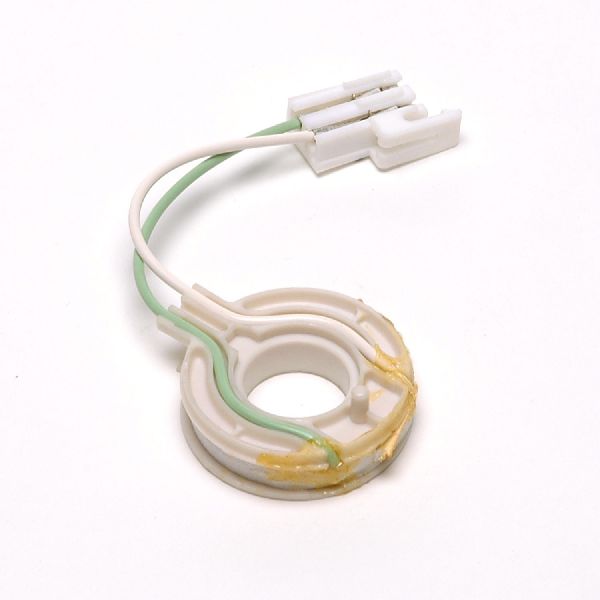
Testing a pickup coil requires a multimeter. The most common test is to check its resistance by connecting the multimeter probes to the two wires from the coil. A typical reading is between 500 and 1500 ohms, but you should consult a service manual for the exact specification. An open circuit (infinite resistance) or a reading outside the specified range indicates a bad coil.
Could my problem just be the ignition module?
Yes. The ignition module and pickup coil produce nearly identical symptoms when they fail, especially stalling when hot. The ignition module is generally considered a more common failure point and is easier to replace. If you are diagnosing the problem yourself, it's often recommended to test or replace the module first before attempting the more difficult pickup coil replacement.
Technical Specifications
Typically serviced as part of the complete distributor assembly. Resistance specification is approximately 500-1500 Ohms, but consult a service manual for your specific engine.
We Have This Part in Stock


The information in this article is provided for general reference and educational purposes only. Vehicle specifications, procedures, and part compatibility can vary by production date, trim level, and region. Always consult your vehicle's factory service manual and verify part numbers before purchasing or performing repairs. Safety-critical components such as airbags, seat belts, and braking systems should be installed by a qualified professional.
- Chevrolet Cavalier:
- 🛍️ Shop This Part
- Is Your Cavalier Stalling or Refusing to Start?
- Top 3 Signs of a Bad Ignition Pickup
- Pickup Coil vs. Ignition Module
- Choosing the Right Aftermarket Ignition Pickup
- Brand Quality Tiers
- Cost of Replacing the Distributor Ignition Pickup
- Pro Tip: Replace Other Distributor Parts at the Same Time
- Frequently Asked Questions (FAQ)
- 🎟️ Get 5% Off