

Chevrolet Cavalier Engine Oil Pressure Switch Guide (1982-1986)
Understand the common failure signs of the oil pressure switch on your first-generation Cavalier and how to choose the right replacement.
- A flickering or constantly lit oil light is the primary symptom of a bad switch, but always check your oil level first.
- Never drive the vehicle if the oil light is on, as it could signal a true low-pressure condition that can cause catastrophic engine failure.
- For this vehicle, a quality aftermarket brand like Standard Ignition (SMP) is a reliable and recommended choice.
- Replacement is a simple DIY task for most owners, typically taking less than 30 minutes with the right socket.
Is a Failing Oil Pressure Switch a Big Deal?
Yes, it can be. The switch itself is a small, inexpensive part, but its job is huge. It's your engine's main alarm system for low oil pressure. Ignoring the warning light, even if you suspect it's just a bad switch, is a major risk. Driving with low oil pressure can destroy an engine quickly. A faulty switch can either fail to warn you of a real problem or give false warnings, causing unnecessary stress. For a 40-year-old car like the '82-'86 Cavalier, it's a part you want working correctly.
Symptoms of a Bad Oil Pressure Switch
A failing oil pressure switch on your Cavalier will usually make itself known in a few ways. The most common sign is an issue with the oil pressure warning light on your instrument panel.
- Oil Light Flickering: The warning light may flicker, especially at idle or low engine speeds. This can happen when the sensor is on the verge of failing.
- Oil Light Stays On: If the oil light remains on constantly, the first step is to check your oil level immediately. If the level is fine, the switch is a likely suspect.
- Oil Light Behaves Erratically: The light coming on and off randomly while driving often points to a faulty switch or a loose electrical connection to it.
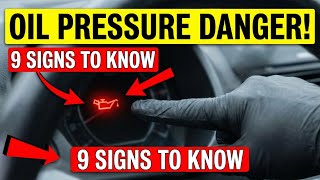
- Oil Leaks: The switch itself can develop leaks over time. You might see oil residue on or around the sensor, or notice drips under the car in that area. 🎬 Watch this guide on common warning signs of a bad sensor.
Choosing the Right Aftermarket Switch
For a vehicle from the mid-1980s, genuine GM parts may be difficult to find or discontinued. Aftermarket brands are the most practical and widely available option. The good news is that for a simple component like an oil pressure switch, a quality aftermarket part is often just as reliable.
Here's a look at the available brands:
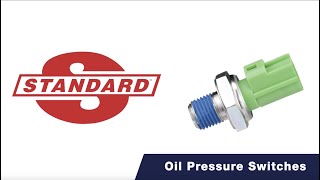
- Standard Ignition (SMP): A highly regarded aftermarket brand with a long history. They are known for producing quality electronic components that meet or exceed original specifications. Many professional mechanics and experienced DIYers trust Standard parts. They are often considered a top-tier aftermarket choice. 🎬 Learn more about the quality and design of Standard switches.
- Rostra Powertrain: Rostra is a well-established manufacturer, known primarily for transmission components, but they also produce a range of sensors and switches. They are an IATF-16949 and ISO-9001 certified manufacturer, indicating a commitment to quality control. While less famous for engine sensors than Standard, their products are generally considered reliable.
- Global Parts: This brand falls into the "value" or "economy" tier. While functional, they may not have the same reputation for long-term durability or precise calibration as brands like Standard. For a critical sensor, it's often worth spending a few extra dollars for a part from a more established manufacturer.
Cost of a New Aftermarket Oil Pressure Switch (1982-1986 Cavalier)
| Part Type | Estimated Cost |
|---|---|
| New Aftermarket Switch | $10.54 - $42.53 |
| Shop Labor for Installation | $50 - $100 |
Note: Prices are estimates and can vary based on your location, the specific brand, and the repair shop's labor rates.
Frequently Asked Questions
Where is the oil pressure switch located on a 1982-1986 Cavalier?
On early GM engines like the 2.0L four-cylinder in your Cavalier, the oil pressure switch is typically screwed into the engine block. A common location is near the oil filter or on the back of the engine block, near the distributor. It will have a single wire or a small plastic electrical connector attached to it.
Can I replace the oil pressure switch myself?
Yes, this is a very DIY-friendly job for most home mechanics. It usually requires basic hand tools, such as a special oil pressure switch socket or a deep well socket of the correct size. The switch is simply unscrewed from the engine, and the new one is screwed in. The most difficult part is often just accessing it, depending on its exact location.
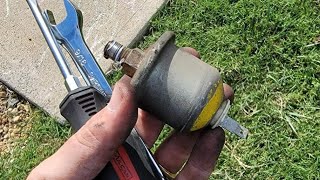
🎬 See how to replace the sending unit on classic Chevy engines.Are there any recalls for the oil pressure switch on this Cavalier?
Searches of the National Highway Traffic Safety Administration (NHTSA) database did not show any specific recalls for the engine oil pressure switch on the 1982-1986 Chevrolet Cavalier. Recalls for this model year were related to other issues like seat belts and instrument panel lighting.
Does my car have an oil pressure gauge or just a light?
Most base model Cavaliers of this era were equipped with a simple warning light (an "idiot light"). Some higher trim levels or optional instrument clusters may have included a full oil pressure gauge. The type of sending unit you need may differ depending on whether it drives a light or a gauge, so be sure to order the correct part for your specific vehicle.
Helpful Videos
Technical Specifications
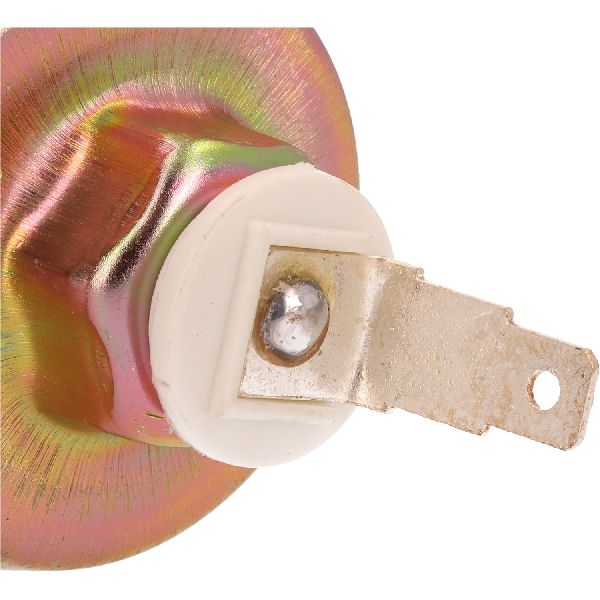
The switch for a 1982-1986 Cavalier is typically a single-terminal switch designed to trigger a warning light. It screws into an oil galley port on the engine block.
We Have This Part in Stock


The information in this article is provided for general reference and educational purposes only. Vehicle specifications, procedures, and part compatibility can vary by production date, trim level, and region. Always consult your vehicle's factory service manual and verify part numbers before purchasing or performing repairs. Safety-critical components such as airbags, seat belts, and braking systems should be installed by a qualified professional.
- Chevrolet Cavalier: