

A Guide to Automatic Transmission Mounts for the 1982-1987 Chevrolet Camaro
Clunks and vibrations from your transmission could mean it's time for a new mount; here's how to choose the right one.
- A clunking noise on acceleration is the most common sign of a failed transmission mount.
- For a stock daily driver, a standard rubber mount provides the most comfortable ride.
- For performance applications, a polyurethane mount offers better durability and a more connected feel, but with more vibration.
- This is a simple and inexpensive DIY repair that can be done in about an hour.
Is Your Camaro's Transmission Mount Failing?
A worn-out transmission mount is a common issue on third-generation Camaros, especially given their age. The original rubber can crack, tear, or become saturated with oil, causing it to fail. When this happens, you'll notice some distinct symptoms. The most common sign is a clunking or banging noise when you accelerate hard or shift from park into drive or reverse. You might also feel excessive vibrations in the cabin or through the gear shifter. In severe cases, the transmission can move so much that it hits the transmission tunnel, creating a loud bang.
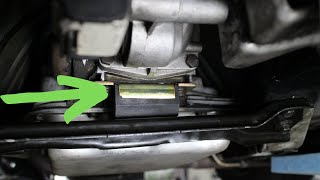
🎬 Watch: 7 signs your transmission mount is failingChoosing the Right Aftermarket Mount
When shopping for a new mount, you'll find two main types: standard rubber replacements and performance-oriented polyurethane mounts. Your choice depends on how you use your Camaro.
Tier 1: Standard Rubber Mounts
Brands: Anchor, DEA, Pioneer Cable
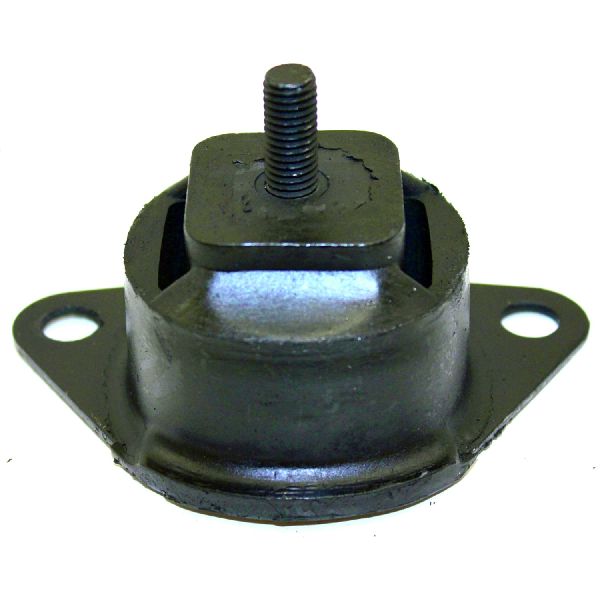
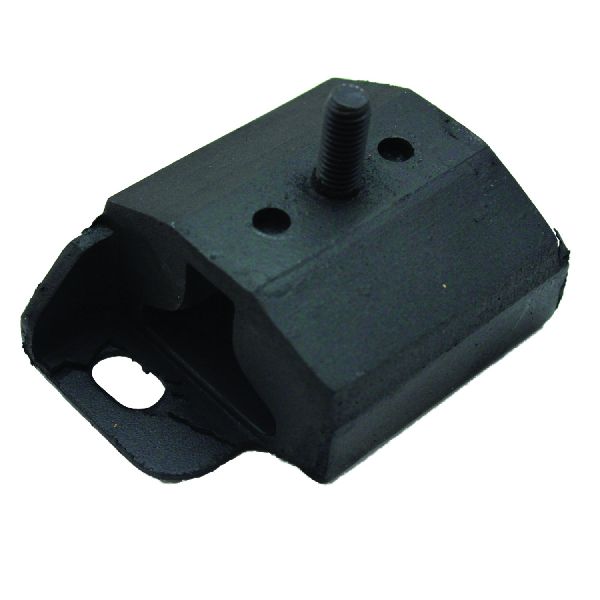
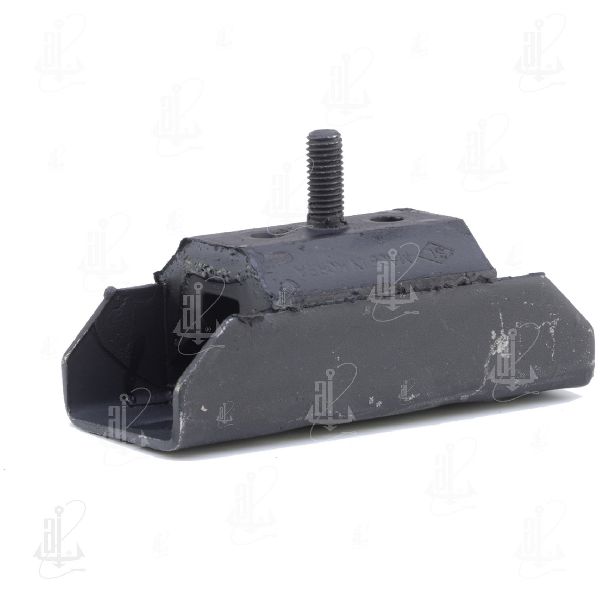
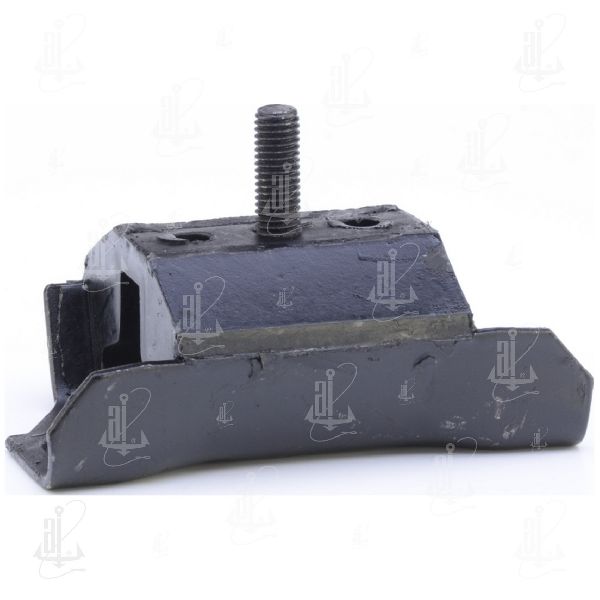
These are designed to be direct, factory-style replacements. They use a rubber block to absorb vibrations, providing a ride quality similar to the original. They are the most affordable option and are perfect for daily drivers or stock restorations where comfort is a priority. However, some owners report that budget-friendly aftermarket rubber mounts can be less durable than original parts, sometimes featuring a hollow design that can fail quickly under stress.
Pro Tip: For a daily driven car, a quality rubber mount is often the best choice to avoid unwanted noise and vibration. Even though they are inexpensive, they are easy to replace if one fails.
Tier 2: Performance Polyurethane Mounts
Brands: Prothane, Daystar, Lakewood
Polyurethane (often called "poly") mounts are much stiffer and more durable than rubber. They are designed for performance driving, as they significantly reduce drivetrain movement, leading to a more connected feel and better power transfer. This is the preferred choice for Camaros with modified engines or for owners who participate in performance driving events. The main trade-off is an increase in Noise, Vibration, and Harshness (NVH) transmitted into the car's cabin. Some drivers find this acceptable for the performance gain, while others find it too harsh for a street car.
🎬 See the differences between poly and rubber mountsWarning: Some polyurethane mounts are slightly taller than stock rubber mounts, which can alter your driveshaft angle and potentially cause new vibrations. Prothane mounts are often noted by owners as being closer to the original height.
Cost of Aftermarket Transmission Mounts (1982-1987 Camaro)
| Mount Type | Brand Examples | Typical Price Range |
|---|---|---|
| Standard Rubber | Anchor, DEA, Pioneer | $9 - $15 |
| Performance Polyurethane | Prothane, Daystar, Lakewood | $25 - $35 |
Frequently Asked Questions
Can I replace the transmission mount myself?
Yes, this is a very DIY-friendly job for a home mechanic. The process involves supporting the transmission with a jack, removing a few bolts from the crossmember and the mount itself, and swapping the part. It typically takes less than an hour with basic tools.
🎬 Watch: Step-by-step guide to replacing your transmission mountWhat's the difference between an automatic and manual transmission mount for this Camaro?
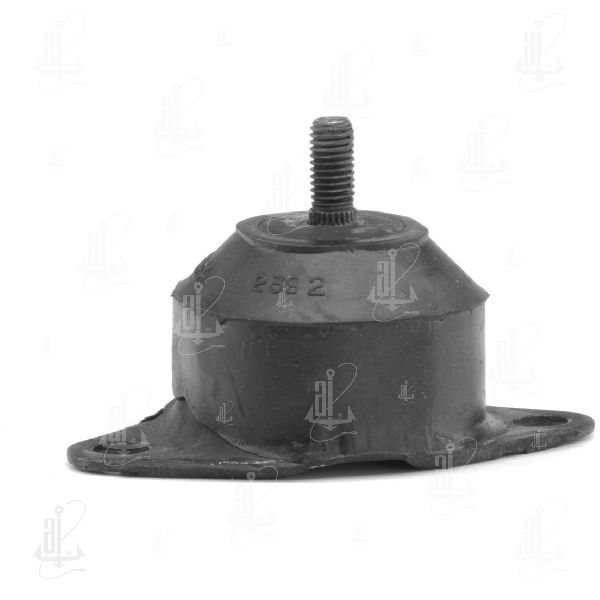
For the 1982-1987 Camaro, most aftermarket automatic transmission mounts are a rectangular block design that is also compatible with V8 manual transmission cars. However, some original manual transmission cars used a different, more expensive "puck-style" mount that is harder to find. Always verify fitment for your specific transmission.
Are there any recalls for the transmission mount?
No, there are no specific recalls for the transmission mount on 1982-1987 Chevrolet Camaros. Searches on the NHTSA database show recalls for newer Camaro models for different transmission and power steering issues, but not for the mount on third-generation vehicles.
Should I use a polyurethane mount with stock rubber engine mounts?
This is a topic of debate among owners. Some manufacturers advise against mixing poly and rubber mounts. However, many Camaro owners have successfully used a polyurethane transmission mount with stock rubber engine mounts without issue. If you experience new vibrations after installing a poly trans mount, your old engine mounts may be worn and allowing too much movement.
Helpful Videos

Technical Specifications
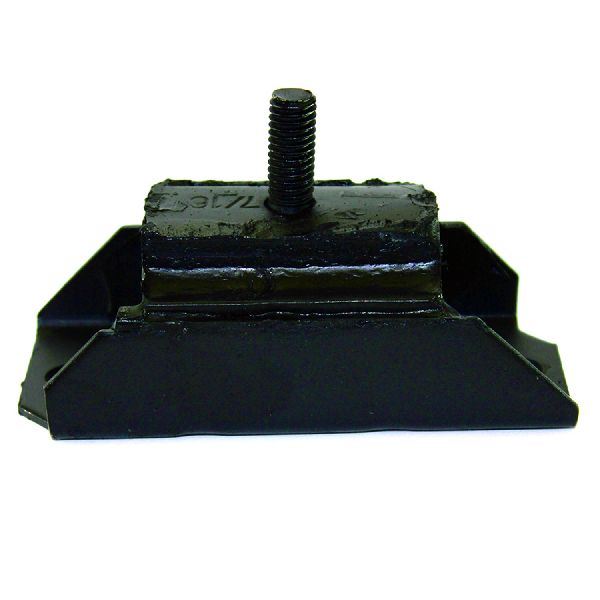
The standard aftermarket mount for automatic transmissions is a rectangular design with a two-bolt pattern that attaches to the transmission and a single stud that connects to the crossmember. Polyurethane versions often have a similar form factor but may have slightly different heights.
We Have This Part in Stock

The information in this article is provided for general reference and educational purposes only. Vehicle specifications, procedures, and part compatibility can vary by production date, trim level, and region. Always consult your vehicle's factory service manual and verify part numbers before purchasing or performing repairs. Safety-critical components such as airbags, seat belts, and braking systems should be installed by a qualified professional.
- Chevrolet Camaro: