

Chevrolet S10 A/C Hose Assembly Guide for 1982-1987 Models
Keep your classic S10's air conditioning running cold by understanding how to choose and replace your A/C hoses.
- Plan on converting to R134a refrigerant, as the original R12 is obsolete; new aftermarket hoses are designed for this.
- Always replace the accumulator/drier and orifice tube when you open the A/C system to replace a hose.
- While you can replace the hose yourself, the system must be legally evacuated and recharged by a professional or with proper equipment.
- New aftermarket hoses are the best choice over used parts, as the rubber on used hoses will also be old and prone to failure.
Symptoms of a Failing A/C Hose
The most common sign of a bad A/C hose is a loss of cooling performance. If your A/C blows warm or only slightly cool air, it's often due to low refrigerant. While leaks can happen anywhere, the flexible rubber sections of the A/C hoses are a common failure point on older trucks like the first-generation S10.
- Visible Damage: Look for cracks, abrasions, or swelling on the rubber portions of the hoses.
- Oily Residue: Refrigerant oil can leak out with the refrigerant, attracting dirt and creating a greasy film on the hose or at the fitting connections.
- Hissing Sounds: A large leak might produce an audible hissing sound when the system has pressure, though this is less common for the slow leaks typical of aging hoses.
A Note on Refrigerant: R12 vs. R134a
Your 1982-1987 S10 was built to use R12 refrigerant, which is no longer in production and is very expensive. Nearly all modern repairs involve converting the system to use R134a refrigerant. This is a critical factor when replacing hoses. New aftermarket hoses are typically "barrier" hoses designed to be compatible with R134a, which has smaller molecules that can leak through older R12-style hoses. If you are replacing your hoses, it is the perfect time to perform a full R134a conversion. This involves flushing the system of old mineral oil, replacing the accumulator and orifice tube, and using a new, compatible oil (like PAG or ESTER).
Choosing the Right Aftermarket A/C Hose
For a vehicle of this age, finding a new Original Equipment (OE) hose from GM is highly unlikely. Your choice is between a used part from a salvage yard or a new aftermarket part. Given that rubber degrades with age, a new aftermarket hose is the recommended choice for reliability.
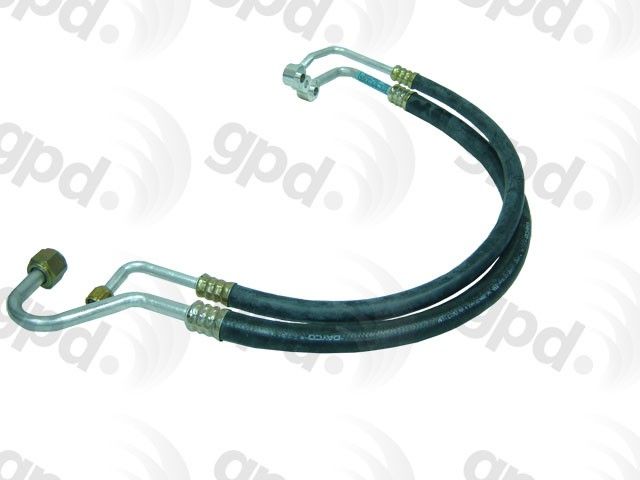
Global Parts Distributors (GPD) is one brand that manufactures aftermarket A/C hoses. They state their products are designed to meet or exceed original equipment specifications for fit and function and are durability tested. Modern aftermarket hoses are generally constructed with a barrier layer compatible with both R12 and R134a refrigerants, making them ideal for a system conversion.
| Part | Typical Price Range (Part Only) | Notes |
|---|---|---|
| New Aftermarket (Global Parts) | $84.53 | Recommended choice. New materials, often R134a compatible. |
| Used OEM | $20 - $50 | Lower cost but carries the same risk of age-related failure as your old part. |
| New OEM | N/A | Generally discontinued and no longer available for this model year. |
Pro Tip: Replace More Than Just the Hose
Anytime the A/C system is opened to the atmosphere, it's critical to replace the accumulator (also called a receiver/drier). This component absorbs moisture from the system, and it can only hold so much. A new accumulator is cheap insurance for your new compressor and other components. You should also replace the orifice tube and all O-rings at the connections you open.
Frequently Asked Questions (FAQ)
Can I replace just the one leaking A/C hose?
Yes, but if one hose has failed due to age, the others are likely not far behind. Given the age of the truck and the labor involved in properly evacuating and recharging the system, many owners choose to replace all the main rubber-lined hoses at the same time, along with the accumulator and orifice tube.
Is this a good DIY project?
The physical act of unbolting an old hose and installing a new one is straightforward for a home mechanic. However, handling refrigerant requires special procedures. It is illegal to vent refrigerant into the atmosphere. The system must be professionally evacuated before you begin work, and then vacuum-tested for leaks and professionally recharged after you're done. Failure to pull a deep vacuum can leave moisture in the system, leading to poor performance and component failure.
Do I need special tools to replace the A/C hoses?
You will need a good set of wrenches to disconnect the fittings. Sometimes, special A/C line disconnect tools are needed, depending on the fitting type. The most important tools are for the system service: a vacuum pump and an A/C manifold gauge set, which are required for the evacuation and recharge process. Many auto parts stores rent these tools.
Were there any recalls on the 1982-1987 S10 A/C hoses?
No. A search of the National Highway Traffic Safety Administration (NHTSA) database shows no recalls for the A/C system on the 1982-1987 Chevrolet S10.
Technical Specifications
Hose assemblies for the 1982-1987 S10 consist of rubber barrier hose combined with aluminum tubing and specific end fittings. Modern replacements are compatible with R134a and PAG/Ester oils.
We Have This Part in Stock

The information in this article is provided for general reference and educational purposes only. Vehicle specifications, procedures, and part compatibility can vary by production date, trim level, and region. Always consult your vehicle's factory service manual and verify part numbers before purchasing or performing repairs. Safety-critical components such as airbags, seat belts, and braking systems should be installed by a qualified professional.
- Chevrolet S10: