

A Comprehensive Guide to 1987 GMC C3500 Fuel Injectors
Everything you need to know about replacing the Throttle Body Injection (TBI) injectors on your classic GMC truck.
- This guide applies only to 1987 GMC C3500 models with Throttle Body Injection (TBI).
- Always replace TBI injectors as a flow-matched pair from a quality brand like Delphi or Standard Ignition.
- A strong fuel smell is a critical symptom of a leak and a fire hazard that requires immediate attention.
- When installing new injectors, always lubricate the new O-rings to prevent damage to the seals or the TBI housing.
Understanding Fuel Injectors on Your 1982-1987 GMC C3500
Vehicle Year and Fuel System Notice
This guide applies specifically to the 1987 GMC C3500 equipped with gasoline engines. The 1987 model year was the first year General Motors used Throttle Body Injection (TBI) on these trucks. Models from 1982-1986 were originally equipped with a carburetor and do not have fuel injectors unless they have been modified with an aftermarket fuel injection system.
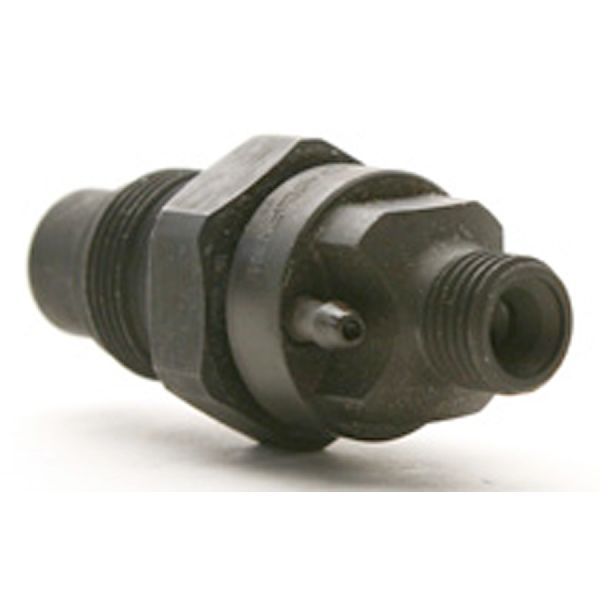
If you own a 1987 C3500, you don't have the complex multi-port fuel injection of modern vehicles. You have a Throttle Body Injection (TBI) system. This is a straightforward and durable setup that uses two injectors to supply fuel to the entire engine. These injectors sit inside the throttle body, located right where you'd expect to find a carburetor under the big, round air cleaner. While robust, these 30+ year-old components can wear out and cause problems.
Symptoms of a Failing Fuel Injector
When TBI injectors start to fail, the signs are usually noticeable. Because both injectors feed the entire engine, a problem with one can affect overall performance.
- Rough Idle or Stalling: An injector that is clogged or not firing correctly can disrupt the air/fuel mixture, leading to a shaky idle or stalling.
- Hard Starting: Leaky injectors can drip fuel into the intake manifold after the engine is shut off. This floods the engine, making it difficult to start when it's warm.
- Fuel Smell: A strong smell of gasoline around the engine is a serious symptom. It's often caused by deteriorating O-rings that seal the injector, allowing fuel to leak onto the hot engine manifold, which is a significant fire hazard.
- Poor Fuel Economy: If an injector is stuck open or leaking, it will dump excess fuel into the engine, causing your mileage to drop.
- Visible Fuel Leak: You may see fuel pooling or spraying inside the throttle body or leaking from the base of the TBI unit.
Choosing the Right Aftermarket Injectors
For a vehicle of this age, finding brand new OEM (Original Equipment Manufacturer) parts is nearly impossible. High-quality aftermarket parts are the go-to solution. It is highly recommended to replace TBI injectors as a flow-matched pair to ensure balanced performance.
Pro Tip: When you buy a set of injectors, it's a good idea to also get a TBI rebuild kit. These kits are inexpensive and include all the necessary gaskets and seals, including the critical injector O-rings, to do the job right.
Brand Quality Tiers
- Tier 1: Delphi: Delphi was an original equipment manufacturer for GM, so their parts are made to the same standards as the factory originals. Choosing Delphi is the closest you can get to a genuine GM part and ensures excellent quality and fit.
- Tier 1: Standard Motor Products (Standard Ignition): Standard is a highly respected aftermarket brand known for producing reliable components. Owners and mechanics trust them for quality that often meets or exceeds OEM specs. Forum members have reported positive experiences with their TBI injectors.
- Tier 3: Unbranded/Store Brands: While tempting due to their low price, cheap, unbranded injectors from online marketplaces should be avoided. They often suffer from poor quality control, leading to leaks, incorrect fuel flow, and premature failure, which can put your engine at risk.
| Brand Tier | Estimated Price (Per Injector) |
|---|---|
| Delphi / Standard Ignition | $93.37 - $128.62 |
| Remanufactured OEM | $75 - $150 |
| Unbranded/Generic | $30 - $60 |
Frequently Asked Questions (FAQ)
Can I replace just one fuel injector?
It is strongly recommended to replace both injectors at the same time. TBI injectors are sold in flow-matched sets to ensure that each side of the engine receives an equal amount of fuel for a smooth, balanced operation. Replacing only one can lead to an imbalanced engine.
Is replacing TBI injectors a difficult job?
For a DIY mechanic with basic tools, this is a very manageable job. It involves removing the air cleaner, disconnecting the fuel lines, and taking off the top of the TBI unit to access the injectors. The most critical step is to lubricate the new O-rings with oil or grease before installation to prevent tearing them or cracking the throttle body housing.
Are there any recalls for my truck's fuel injectors?
No. Searches of the National Highway Traffic Safety Administration (NHTSA) database show no open or past recalls for fuel injectors on the 1987 GMC C3500. Any failures are due to the age and wear of the components.
What is the difference between a TBI injector and a modern fuel injector?
TBI injectors are larger and operate under much lower pressure (about 10-13 PSI) compared to modern multi-port injectors (40-60 PSI). Your truck uses only two injectors to feed the whole engine, while most modern V8s have eight individual injectors.
Technical Specifications
OEM Part Numbers: 17111784 17112560 17112249 17084304 5235206
System Type: Throttle Body Injection (TBI). Number of Injectors: 2. Operating Pressure: Approx. 9-13 PSI.
We Have This Part in Stock


The information in this article is provided for general reference and educational purposes only. Vehicle specifications, procedures, and part compatibility can vary by production date, trim level, and region. Always consult your vehicle's factory service manual and verify part numbers before purchasing or performing repairs. Safety-critical components such as airbags, seat belts, and braking systems should be installed by a qualified professional.
- GMC C3500: