

Chevrolet Cavalier Throttle Position Sensor (TPS) Guide: 1982-1988
Fix poor idle, hesitation, and stalling on your first-generation Cavalier by understanding and choosing the right Throttle Position Sensor.
- A failing TPS on a 1982-88 Cavalier commonly causes hesitation, high idle, and stalling.
- Replacement is a simple DIY job requiring basic tools and less than an hour.
- After installation, the new sensor must be adjusted with a multimeter to set the correct idle voltage, typically around 0.5V.
- Choosing a quality brand like ACDelco, Delphi, or NTK can provide better reliability and performance.
Symptoms of a Failing Throttle Position Sensor
When the TPS on your Cavalier starts to fail, it sends incorrect information to the engine computer. This can cause a variety of noticeable engine problems. Because the sensor can develop "dead spots" in its range, you might notice issues only at certain throttle positions.
- Hesitation or Stumbling on Acceleration: The engine may bog down or hesitate when you press the gas pedal because the computer isn't getting the right signal to add more fuel.
- Rough or High Idle: The computer may receive a false signal that your foot is on the gas even when it's not, causing the idle speed to be too high or erratic.
- Engine Stalling: The engine might stall when you come to a stop or when you suddenly let off the gas, as the computer gets confused by the faulty signal.
- Poor Fuel Economy: If the sensor is telling the computer the throttle is open more than it is, the engine will run rich, wasting fuel.
- Check Engine Light: First-generation Cavaliers use an OBD-1 system. A failing TPS can trigger the "Service Engine Soon" light. Common codes related to the TPS are Code 21 (signal voltage too high) and Code 22 (signal voltage too low). 🎬 Learn how to test if your sensor has failed.
Choosing the Right Aftermarket TPS
For a vehicle of this age, the original GM part may be hard to find or discontinued. Aftermarket brands are your most likely option. Quality can vary, so it's important to choose wisely.
Aftermarket Brand Quality Tiers
| Tier | Brands | Assessment |
|---|---|---|
| OEM-Level & Premium Aftermarket | ACDelco, Delphi, NGK (NTK) | ACDelco was the original equipment (OE) supplier for General Motors. Choosing an ACDelco "GM Genuine" or "Original Equipment" part is the closest you can get to the factory original. Delphi was also a major OE supplier for GM and is considered a top-quality choice. NTK, the sensor division of NGK, has a strong reputation for producing reliable sensors. |
| Quality Aftermarket | Standard Motor Products (SMP), Walker Products | Standard Motor Products is a well-regarded aftermarket manufacturer that often produces parts that meet or exceed original specifications. Walker Products is another established brand in fuel and engine management components. |
| Economy/Value | Replacement, Global Parts, True Tech | These brands offer a cost-effective solution. While they can function correctly, their long-term durability and consistency may not match the higher-tier brands. They are a viable option for budget-conscious repairs. |
A Note on ACDelco Parts
ACDelco offers different product lines, such as "GM Genuine" and "Gold (Professional)". For older vehicles, the "Professional" line may be a rebranded part from another manufacturer. Whenever possible, aim for the "GM Genuine" or "Original Equipment" line for the best fit and performance.
Typical Replacement Costs
The cost for a new aftermarket Throttle Position Sensor for a 1982-1988 Cavalier is generally affordable. The price you pay will depend on the brand you choose.
Estimated Costs
| Item | Estimated Cost |
|---|---|
| New Aftermarket Part | $25.99 - $114.47 |
| Shop Labor | $50 - $100 |
| Total Professional Replacement | $75 - $215 |
Frequently Asked Questions (FAQ)
Where is the TPS located on a 1982-1988 Cavalier?
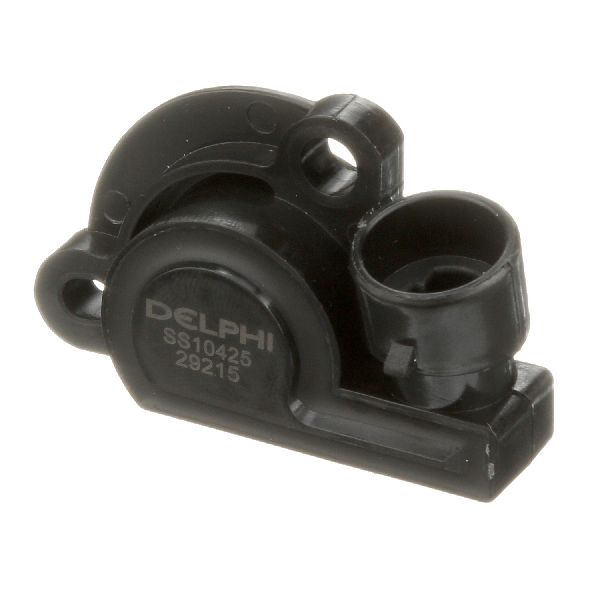
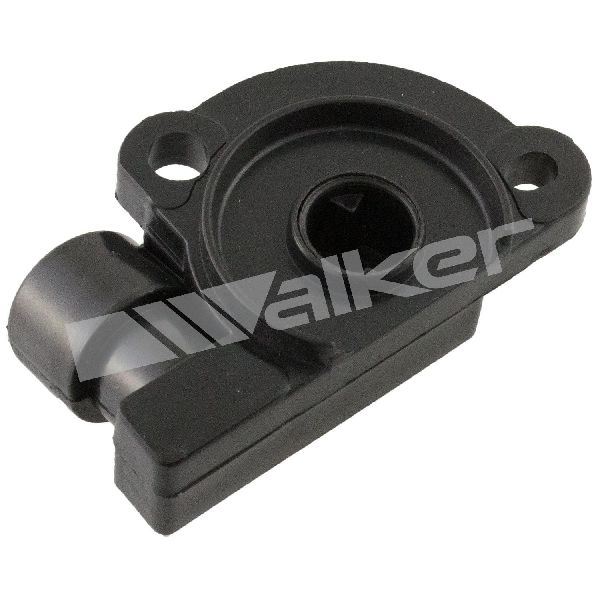
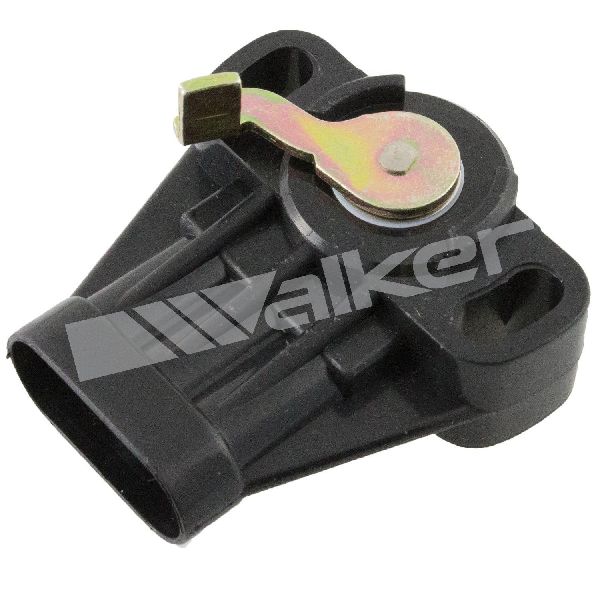
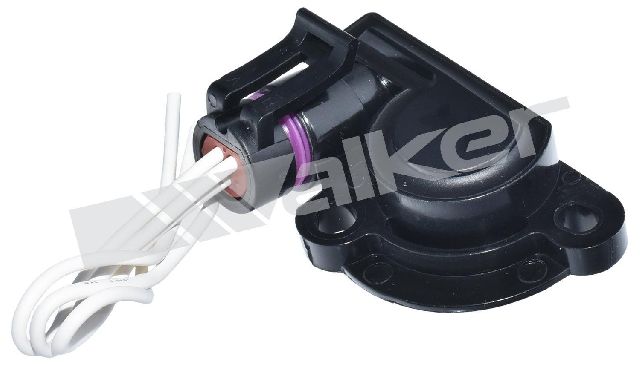
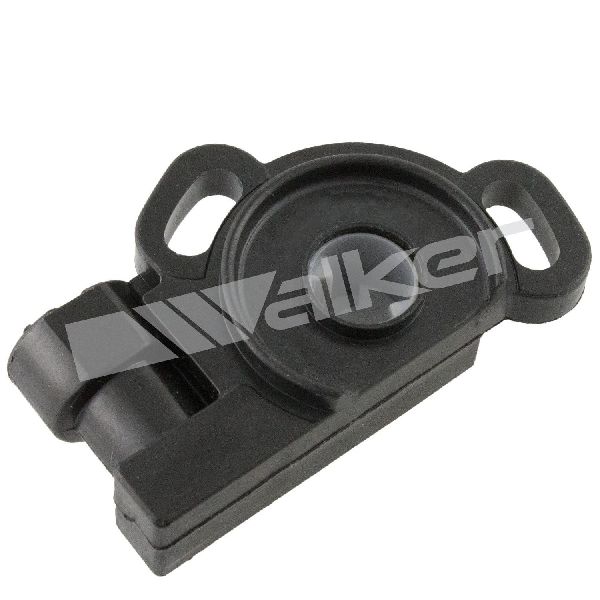
The Throttle Position Sensor is located on the side of the throttle body assembly. You can find the throttle body by following the large air intake hose from the air filter box to the top of the engine. 🎬 See how to remove and clean your throttle body. The TPS is a small, black plastic sensor with an electrical connector, held on by two screws.
Is replacing the TPS a difficult job?
No, this is a very DIY-friendly job. It typically requires only basic hand tools like a screwdriver or Torx bit driver. The sensor is easily accessible on top of the engine. The entire process usually takes less than 30 minutes.
Does the new TPS need to be adjusted or calibrated?
Yes, on these early GM TBI systems, adjustment is often necessary. Some replacement sensors have elongated mounting holes that allow you to rotate the sensor to set the correct idle voltage. Using a multimeter, you should set the closed-throttle voltage to the manufacturer's specification, typically around 0.50 volts. Incorrect adjustment can cause idle and performance problems even with a new part.
Are there any recalls for the TPS on my Cavalier?
There are no specific recalls issued by the NHTSA for the Throttle Position Sensor on the 1982-1988 Chevrolet Cavalier. Any issues with the sensor are considered general maintenance or repair items.
Helpful Videos

Technical Specifications
The sensor is located on the throttle body and uses a 3-pin connector. It operates as a potentiometer, sending a variable voltage signal to the ECU based on throttle plate angle. The system is OBD-1, and adjustment is typically required after installation.
We Have This Part in Stock


The information in this article is provided for general reference and educational purposes only. Vehicle specifications, procedures, and part compatibility can vary by production date, trim level, and region. Always consult your vehicle's factory service manual and verify part numbers before purchasing or performing repairs. Safety-critical components such as airbags, seat belts, and braking systems should be installed by a qualified professional.
- Chevrolet Cavalier: