

Ford EXP Catalytic Converter Replacement Guide (1982-1988)
Everything you need to know to get your classic EXP running clean and passing emissions.
- You must diagnose and fix the root cause of engine problems (like misfires or rich fuel mixture) before replacing the converter, or the new one will fail quickly.
- A direct-fit converter is strongly recommended over a universal one for easier, bolt-on installation.
- Symptoms for the EXP are physical (power loss, smell, rattle) since it lacks modern OBD-II diagnostics.
- Expect rust to be the biggest challenge during replacement; seized bolts are common on a 40-year-old exhaust system.
Is Your EXP's Catalytic Converter Failing?
On a car from the 1980s, the original catalytic converter has likely been replaced at least once. If you're experiencing problems, it's important to diagnose them correctly. Unlike modern cars, your EXP doesn't have a sophisticated computer that will give you a specific 'P0420' error code. You must rely on physical symptoms to know if your converter is bad.
Key Symptoms of a Bad Converter on a Ford EXP:
- Loss of Power: This is the most common sign. Your car will feel sluggish and weak, especially when accelerating or going up hills. This happens when the inside of the converter breaks apart and clogs the exhaust, creating backpressure that chokes the engine.
- Rotten Egg Smell: A strong sulfur smell from the exhaust is a classic sign of a failing converter. It means the converter isn't properly changing the chemical composition of the exhaust gases.
- Rattling Noise: If you hear a rattling or metallic shaking sound from under the car, the ceramic honeycomb inside the converter has likely broken into pieces.
- Reduced Fuel Economy: A clogged exhaust makes the engine work harder, which burns more gasoline.
- Excessive Heat: A blocked converter can trap a large amount of heat, sometimes causing the floor under your feet to feel unusually warm. In extreme cases, the converter itself can glow red.
Fix the Real Problem First!
A catalytic converter usually doesn't fail on its own. It's often destroyed by another problem with the engine. Common causes include engine misfires, a bad fuel injector, or oil/coolant leaking into the exhaust. These issues send unburned fuel or contaminants into the converter, causing it to overheat and melt internally. If you don't fix the root cause, you will quickly destroy your new converter.
Choosing the Right Aftermarket Converter
Original Ford (OEM) catalytic converters for the EXP are no longer made. Your only option is an aftermarket part. Quality can vary, so it's important to choose wisely based on your needs and budget. The brands available generally fall into a few tiers.
Brand Tiers for Your Ford EXP
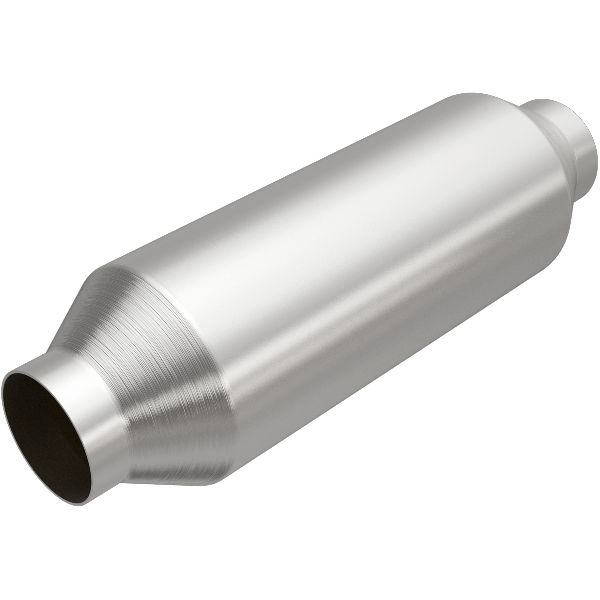
- Performance (High-Flow): MagnaFlow, MagnaFlow Performance Exhaust
These are typically made from high-quality stainless steel and are designed for better exhaust flow, which can offer a slight performance increase. They are a good choice if you want a long-lasting, high-quality part. - Standard Replacement: Walker Exhaust
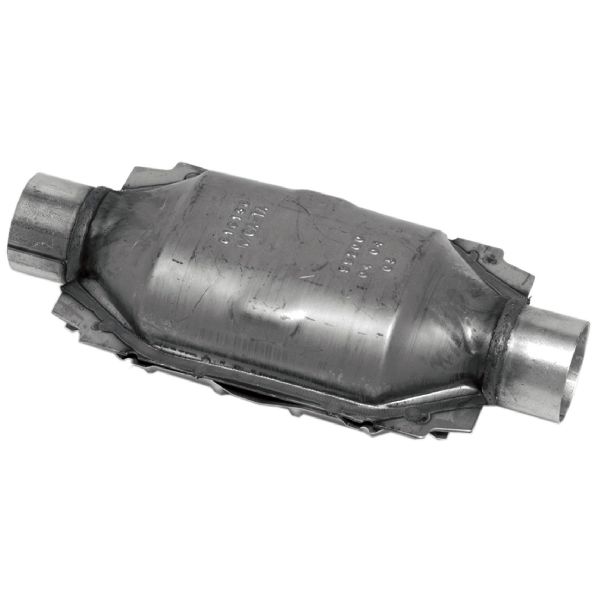
Walker is a well-respected brand known for making parts that fit like the original. A direct-fit Walker converter is often the easiest to install and is a reliable choice for daily driving and passing emissions. - Economy: AP Exhaust, Eastern Catalytic
These brands offer a more budget-friendly option. While they will get the job done, some users report that the fit might not be as perfect as more expensive brands, and their long-term durability can sometimes be less.
Direct-Fit vs. Universal
For a vehicle like the EXP, a direct-fit converter is highly recommended. It's designed to bolt right into your specific car with minimal or no modifications. A universal converter is cheaper but requires cutting and welding to install, which will significantly increase labor costs if you're not doing it yourself.
Cost to Replace a Ford EXP Catalytic Converter
The cost is broken down into parts and labor. Given the age of the vehicle, rust can make the job more difficult and time-consuming.
| Item | Estimated Cost |
|---|---|
| New Aftermarket Converter | $85 - $560 |
| Shop Labor | $150 - $300 |
| Total Estimated Cost | $235 - $860 |
Frequently Asked Questions
Why did my original converter fail?
Age is a major factor, but failure is often accelerated by engine problems. An engine that runs too rich, misfires, or leaks oil/coolant can quickly destroy a catalytic converter by overheating it. Always diagnose and fix engine performance issues before installing a new converter.
Will a new converter fix my power loss?
Yes, if the old converter was clogged, replacing it will restore lost power and make the car feel much more responsive. A clogged converter acts like a potato in the tailpipe, preventing exhaust from escaping efficiently.
Can I install the converter myself?
If you have experience with exhaust work and tools like a socket set, penetrating oil, and possibly a torch or angle grinder for rusted bolts, it is a DIY-feasible job. Rust is the biggest challenge. If the part needs to be welded, you should take it to a professional muffler shop.
Do I need a special converter for California or New York?
Yes. States like California, Colorado, New York, and Maine have stricter emissions laws and require converters that are specifically approved for sale in those states (often called CARB-compliant). These are more expensive. Always check your local laws before purchasing.
Technical Specifications
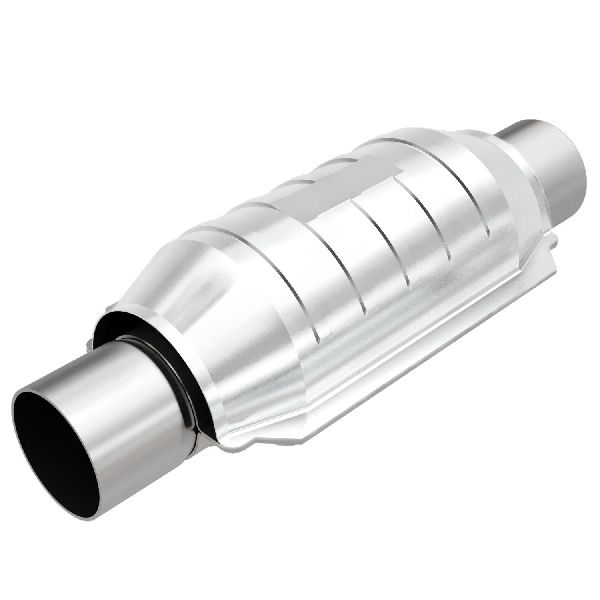
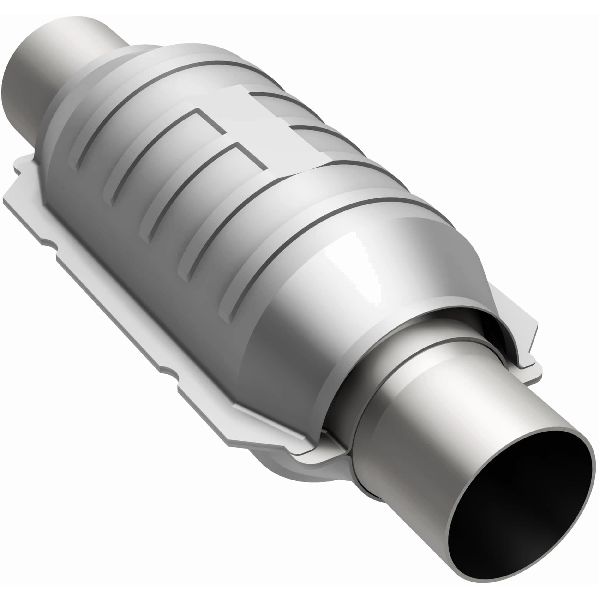
The Ford EXP was equipped with a 1.6L or 1.9L CVH engine. The catalytic converter is a single-inlet, single-outlet design integrated into the exhaust pipe. Direct-fit replacements are available and recommended.
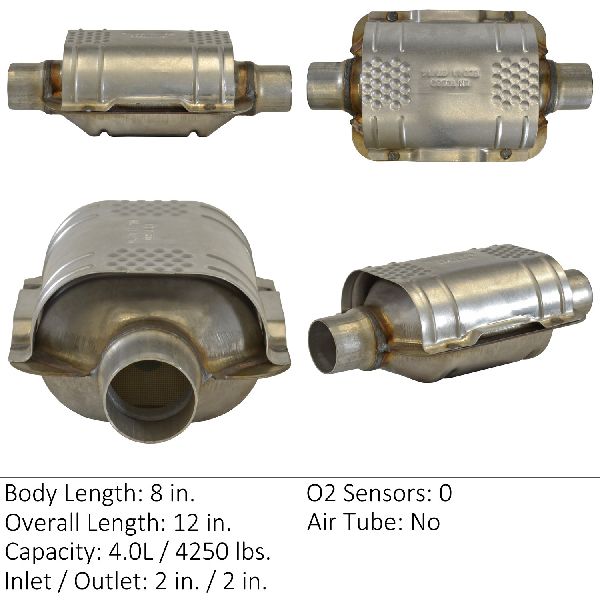
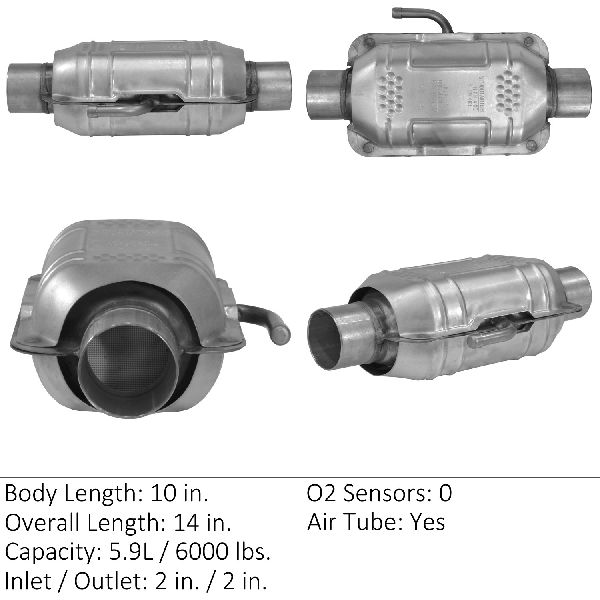
We Have This Part in Stock

The information in this article is provided for general reference and educational purposes only. Vehicle specifications, procedures, and part compatibility can vary by production date, trim level, and region. Always consult your vehicle's factory service manual and verify part numbers before purchasing or performing repairs. Safety-critical components such as airbags, seat belts, and braking systems should be installed by a qualified professional.
- Ford EXP:
- 🛍️ Shop This Part
- Is Your EXP's Catalytic Converter Failing?
- Key Symptoms of a Bad Converter on a Ford EXP:
- Fix the Real Problem First!
- Choosing the Right Aftermarket Converter
- Brand Tiers for Your Ford EXP
- Direct-Fit vs. Universal
- Cost to Replace a Ford EXP Catalytic Converter
- Frequently Asked Questions
- 🎟️ Get 5% Off