

Ford EXP Engine Coolant Temperature Sensor: A Complete Guide (1982-1988)
Fix poor engine performance and bad fuel economy on your 1982-1988 Ford EXP by understanding and replacing the Engine Coolant Temperature Sensor.
- A bad ECT sensor commonly causes poor fuel economy, rough idle, and hard starting on a Ford EXP.
- Visually confirm the sensor's location on your engine (thermostat housing vs. intake manifold) before buying a replacement, as it varies.
- Choose a quality aftermarket brand like Delphi, NGK, or Standard Ignition for better accuracy and reliability.
- This is a simple DIY replacement that most owners can do in under 30 minutes with basic tools.
Is Your Ford EXP Running Rough? It Could Be the Coolant Temp Sensor
If your 1982-1988 Ford EXP is experiencing issues like poor fuel economy, a rough idle, or difficulty starting, a faulty Engine Coolant Temperature (ECT) sensor is a likely culprit. This sensor plays a critical role in how your EXP's 1.6L or 1.9L CVH engine runs. Because this part directly influences the air-fuel mixture and ignition timing, a bad sensor can cause a variety of noticeable problems.
Don't Confuse the Sensor and the Sender!
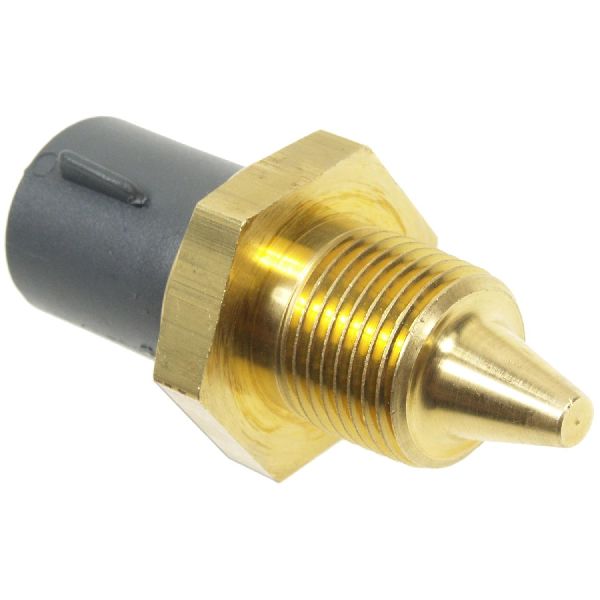
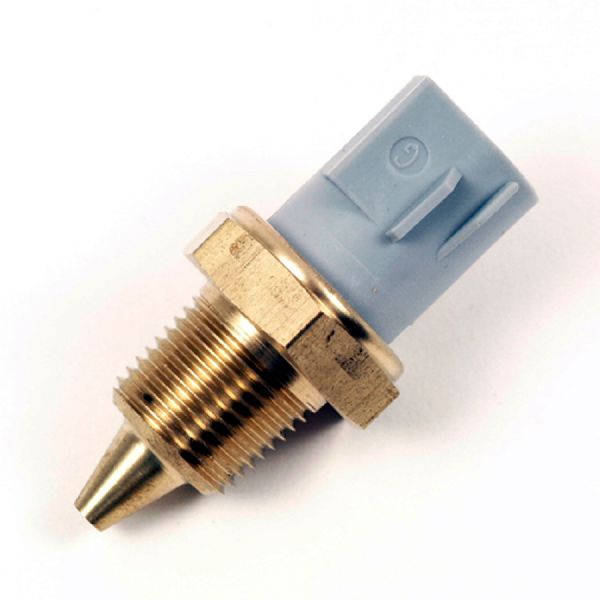
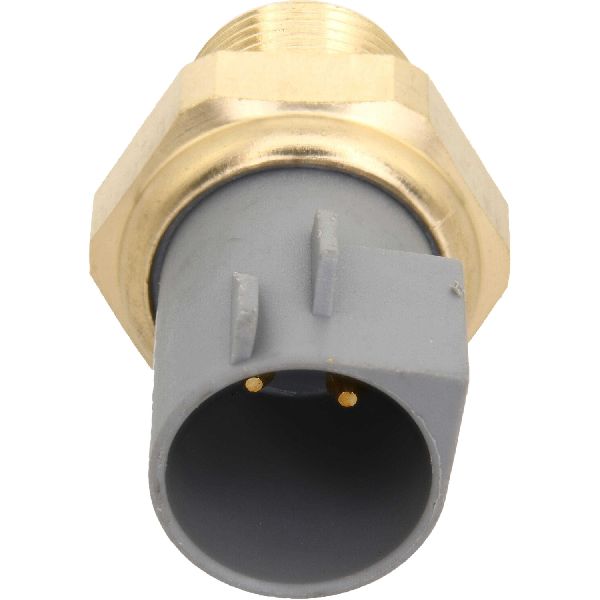
Most vehicles, including the Ford EXP, have two similar-looking temperature units. The Engine Coolant Temperature (ECT) Sensor sends information to the engine computer and usually has a two-wire connector. The Coolant Temperature Sender sends information to the temperature gauge on your dashboard and typically has a single-wire connector. They are not interchangeable. This guide focuses on the ECT sensor for the engine computer.
Symptoms of a Failing ECT Sensor on a Ford EXP
When the ECT sensor fails, it sends incorrect information to the engine computer. It might tell the computer the engine is cold when it's hot, or vice-versa. This leads to several performance issues:
- Poor Fuel Economy: If the sensor always reads cold, the computer will continuously send extra fuel, hurting your gas mileage.
- Rough Idle: An incorrect fuel mixture can make the engine shake or vibrate at idle.
- Hard Starting: The engine may be difficult to start, either when it's cold or after it has warmed up.
- Black Smoke from Exhaust: This is a sign of an overly rich fuel mixture, where unburned fuel is exiting through the exhaust.
- Engine Overheating: In some cases, a faulty sensor can prevent the electric cooling fan from turning on when it should.
- Check Engine Light: On models equipped with on-board diagnostics (EEC-IV), a faulty sensor can trigger a Check Engine Light.
Choosing the Right Aftermarket ECT Sensor
Since finding a new OEM Motorcraft sensor for a vehicle of this age can be difficult, a quality aftermarket part is a great choice. However, quality can vary. Inaccurate sensors are a known issue with some cheaper brands, which can cause performance problems right out of the box. It is often worth spending a few extra dollars for a reputable brand.
Brand Quality Tiers
- Tier 1 (Premium Aftermarket): Brands like Delphi, NGK, and Standard Ignition (SMP) are well-regarded. Delphi is an OEM supplier for many car manufacturers and is known for quality electronics. These brands are your best bet for a reliable, accurate sensor that performs like the original.
- Tier 2 (Standard Replacement): Brands such as Four Seasons and Holstein offer a balance of quality and value. They are generally reliable for standard repairs.
- Tier 3 (Value): Brands like Global Parts and True Tech are typically the most affordable. While they can work, they may have a higher risk of inconsistent quality control compared to premium brands.
Pro Tip: Check Your Engine
The biggest mistake is ordering the wrong part. The Ford EXP used both 1.6L and 1.9L CVH engines, with different fuel systems over the years. The sensor's location and part number can change depending on your specific engine. A helpful video shows that the sensor may be on the thermostat housing or under the intake manifold depending on the CVH engine version. Always verify the location on your own vehicle before ordering.
Aftermarket Engine Coolant Temperature Sensor Costs for Ford EXP
| Part Type | Estimated Cost |
|---|---|
| New Aftermarket Sensor | $12.13 - $56.45 |
| Shop Labor | $50 - $100 |
Frequently Asked Questions
Where is the ECT sensor located on my Ford EXP?
The location depends on your engine. On many 1.6L and 1.9L CVH engines, it is located near the thermostat housing. On other versions, it may be threaded into the intake manifold. Look for a brass sensor with a two-wire electrical connector.
Can I replace the ECT sensor myself?
Yes, this is a very DIY-friendly job for most home mechanics. It typically involves unplugging the electrical connector, using a deep socket wrench to unscrew the old sensor, and installing the new one. It's best to do this when the engine is cold to avoid hot coolant.
Do I need to drain the coolant to replace the sensor?
You don't need to drain the entire system, but some coolant will leak out when you remove the old sensor. Have the new sensor ready to install quickly to minimize coolant loss. You can top off the coolant level after the job is done.
Are there any recalls for the Ford EXP ECT sensor?
No specific recalls or Technical Service Bulletins (TSBs) from Ford or the NHTSA were found for the engine coolant temperature sensor on the 1982-1988 Ford EXP. This is common for vehicles of this age.
Technical Specifications
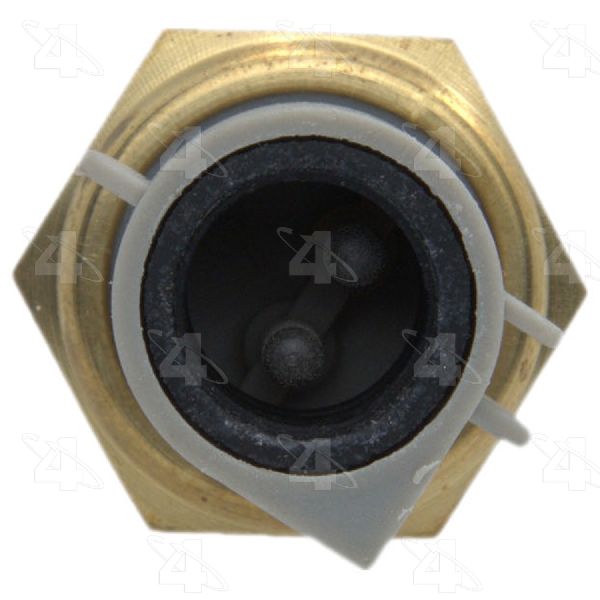
The key specification is ensuring the sensor has the correct thread size and electrical connector for your specific engine (1.6L or 1.9L CVH). Most ECT sensors for the computer have a two-pin connector.
We Have This Part in Stock

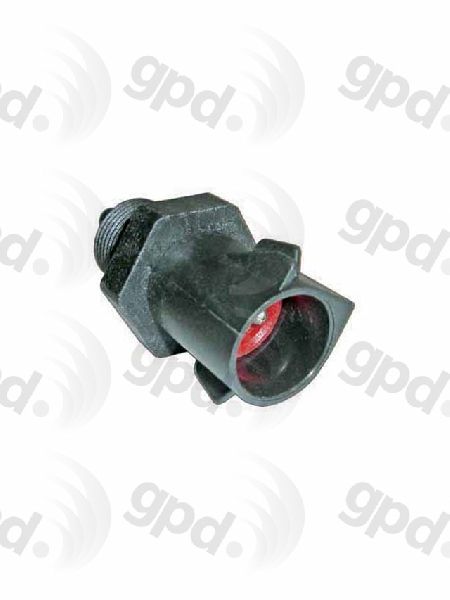

The information in this article is provided for general reference and educational purposes only. Vehicle specifications, procedures, and part compatibility can vary by production date, trim level, and region. Always consult your vehicle's factory service manual and verify part numbers before purchasing or performing repairs. Safety-critical components such as airbags, seat belts, and braking systems should be installed by a qualified professional.
- Ford EXP:
- 🛍️ Shop This Part
- Is Your Ford EXP Running Rough? It Could Be the Coolant Temp Sensor
- Don't Confuse the Sensor and the Sender!
- Symptoms of a Failing ECT Sensor on a Ford EXP
- Choosing the Right Aftermarket ECT Sensor
- Brand Quality Tiers
- Pro Tip: Check Your Engine
- Aftermarket Engine Coolant Temperature Sensor Costs for Ford EXP
- Frequently Asked Questions
- 🎟️ Get 5% Off