

A Practical Guide to the 1982-1988 Pontiac Firebird Power Steering Pump
Keep your third-gen Firebird's steering smooth and quiet with the right replacement pump.
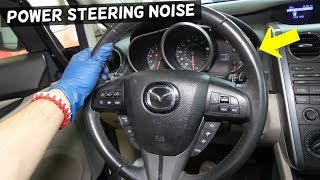
- A whining noise that changes with engine speed is the number one sign of a failing power steering pump.
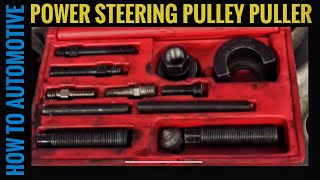
- You must use a specific power steering pulley puller/installer tool for the job; a standard puller will damage the pulley.
- Opt for a replacement pump that includes a new reservoir to avoid common leaks from swapping the old one.
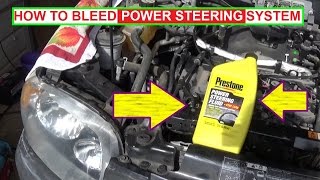
- After installation, you must bleed all air from the system by turning the wheel lock-to-lock to prevent noise and damage to the new pump.
Is Your Firebird's Power Steering Pump Failing?
The Saginaw-style power steering pump used in the third-generation Firebird is a workhorse, but it doesn't last forever. When it starts to fail, your car will give you clear warning signs. Ignoring them can lead to a complete loss of power assist, making the car difficult to steer safely.
Common Failure Symptoms:
- Whining Noise: The most common symptom is a distinct whining or groaning sound that gets louder when you turn the wheel and changes pitch with engine speed. This is often caused by low fluid, air in the system, or internal wear.
- Stiff Steering: The steering wheel becomes difficult to turn, especially when parking or driving slowly. This indicates the pump isn't producing enough pressure.
- Fluid Leaks: You may find puddles of red or light brown fluid under the front of your car. Leaks can cause the fluid level to drop, leading to pump damage.
- Jerky or Slow Response: The steering may feel like it's catching or responding slowly, a sign of inconsistent pressure from a failing pump. 🎬 Watch this guide to help diagnose a failing steering pump.
Choosing the Right Aftermarket Pump
For a classic car like the 1982-1988 Firebird, finding a brand-new OEM pump from GM is nearly impossible. The market consists of new aftermarket pumps and remanufactured units. Your choice impacts both cost and potential reliability.
New Aftermarket vs. Remanufactured
New aftermarket pumps are built from all-new components and are engineered to meet or exceed original specifications. They typically offer better out-of-the-box reliability and often come with longer warranties. While they cost more upfront, they can save you from the headache of a premature failure.
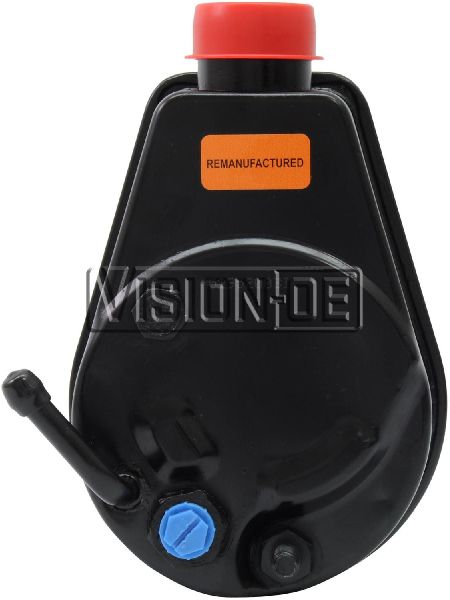
Remanufactured pumps (often called "reman") are original pump cores that have been rebuilt with new seals, bearings, and other wear items. Brands like Cardone and BBB Industries are major suppliers of remanufactured parts. The quality of remanufactured pumps can be inconsistent. Forum discussions among Firebird and other classic car owners show mixed experiences, with some reporting noisy or leaking units right out of the box. While the price is attractive, be prepared for the possibility of needing to use the warranty.
| Part Type | Estimated Cost |
|---|---|
| New Aftermarket | $79.89 - $220.43 |
| Remanufactured (Cardone, BBB, etc.) | $85 - $120 |
| Used (OEM) | $35 - $75 |
| Shop Labor | $150 - $300 |
Frequently Asked Questions
Do I need a special tool to replace the pump?
Yes. You absolutely need a specific power steering pump pulley puller and installer tool. Do not try to use a standard 2 or 3-jaw puller, as you will almost certainly bend or break the pulley. 🎬 See how to use the pulley puller and installer tool correctly. Most auto parts stores offer these tools as part of a loaner program.
Are there any recalls on the 1982-1988 Firebird power steering pump?
No, searches of the National Highway Traffic Safety Administration (NHTSA) database show no specific safety recalls for the power steering pump on this generation of Firebird.
Why is my new pump still whining?
If a new pump is noisy, the most likely cause is air trapped in the system. The system must be properly bled by raising the front wheels and turning the steering wheel from lock to lock many times to force all the air out. 🎬 Watch the right way to bleed your power steering system. Other causes could be a kinked or blocked hose restricting fluid flow or, less commonly, a defective part.
What kind of fluid should I use?
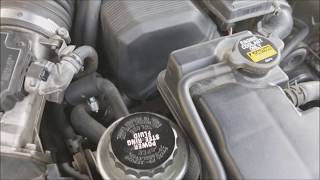
Always check your owner's manual or the cap on the reservoir. Many GM vehicles of this era use standard power steering fluid, but some can also use Automatic Transmission Fluid (ATF). Using the correct fluid is critical. Flushing the old, contaminated fluid out of the system before installing the new pump is highly recommended to ensure a long service life.
Helpful Videos


Technical Specifications
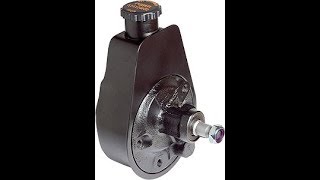
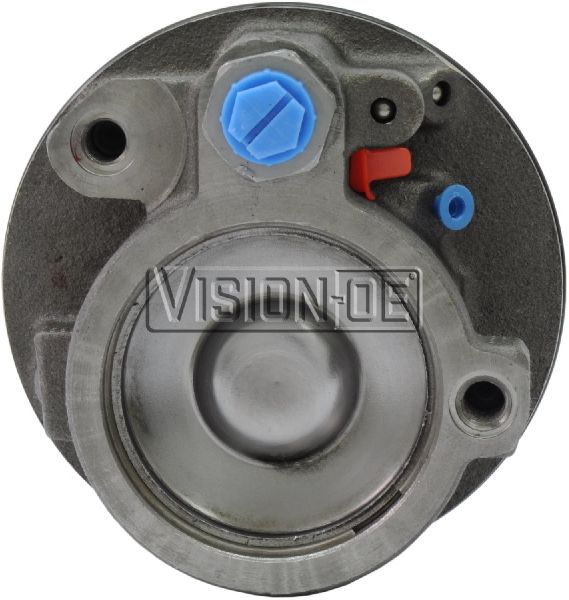
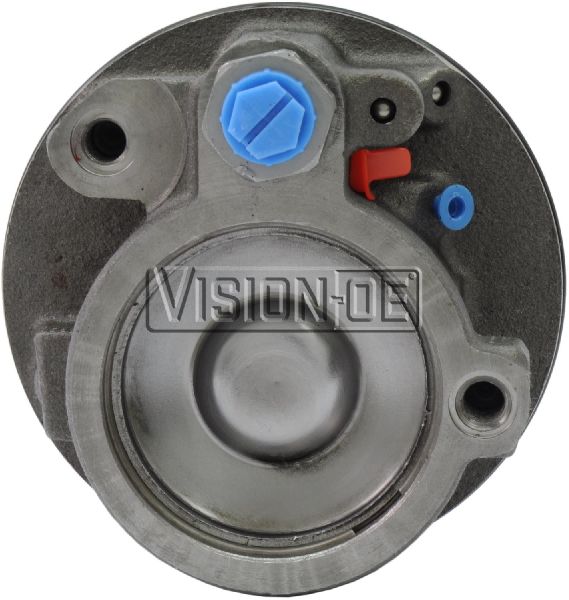
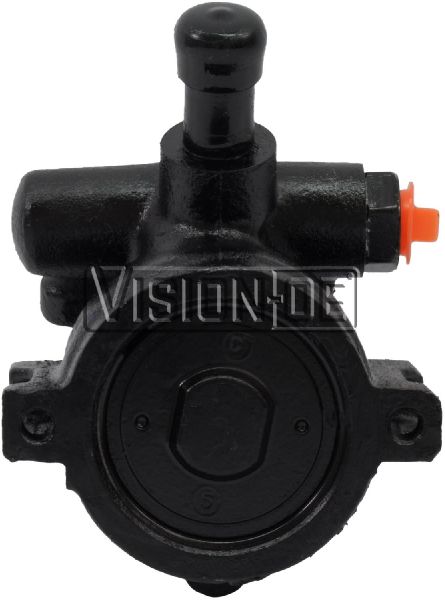
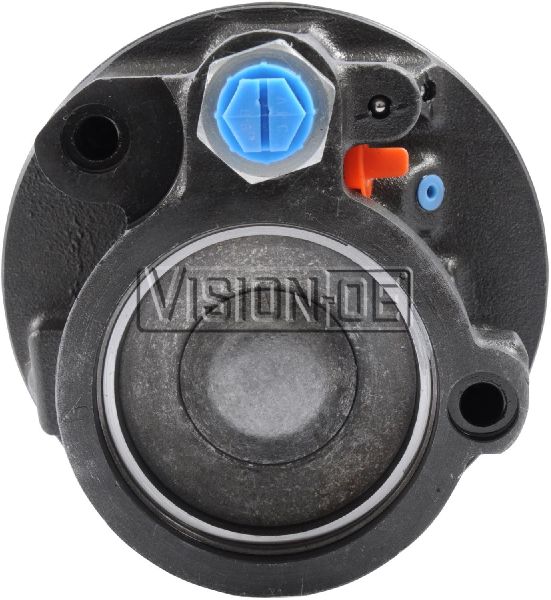
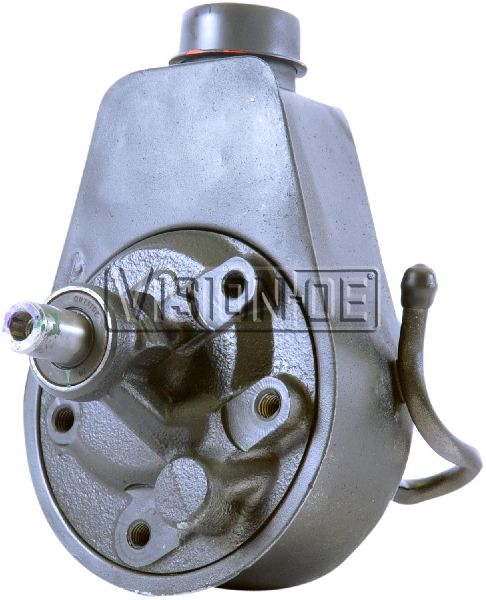
The 1982-1988 Firebird typically uses a Saginaw-style pump with an integrated fluid reservoir. The pulley is a press-on type, requiring a special tool for removal and installation. Outlet fitting sizes can vary, so it is important to compare the new pump to the old one before installation.
We Have This Part in Stock

The information in this article is provided for general reference and educational purposes only. Vehicle specifications, procedures, and part compatibility can vary by production date, trim level, and region. Always consult your vehicle's factory service manual and verify part numbers before purchasing or performing repairs. Safety-critical components such as airbags, seat belts, and braking systems should be installed by a qualified professional.
- Pontiac Firebird: