

Chevrolet S10 Oxygen Sensor Guide for 1982-1989 Models
Fix your S10's poor fuel economy and rough idle by choosing the right replacement oxygen sensor.
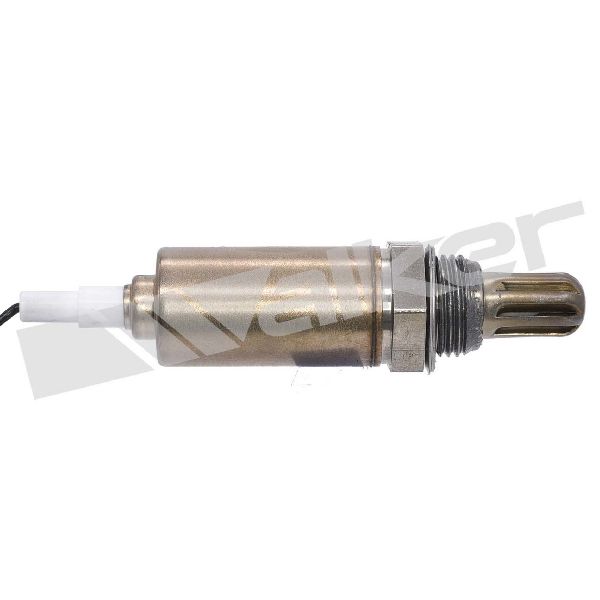
- Your 1982-1989 S10 has only one, unheated oxygen sensor located before the catalytic converter.
- Key symptoms of failure are poor gas mileage and a rough idle.
- Replacing a bad sensor can prevent damage to your catalytic converter.
- For best results, choose a quality aftermarket brand like ACDelco, Bosch, NGK, or Delphi.
Is a bad oxygen sensor hurting your S10's performance?
The oxygen sensor is a small but critical part that helps your truck run efficiently. When it starts to fail, the engine's computer gets bad information and can't properly adjust the fuel mixture. This leads to common problems like bad gas mileage and a rough-running engine. Because these sensors live in the hot, dirty exhaust stream, they wear out over time and need to be replaced. For a truck from the 1980s, it's a common maintenance item.
Driving with a Bad O2 Sensor
You can drive your truck with a failing oxygen sensor, but it's not recommended for long. An engine running too rich (too much fuel) can waste gas and eventually damage your expensive catalytic converter. It's much cheaper to replace the sensor than the converter.
Symptoms of a Failing Oxygen Sensor on a 1982-1989 S10
- Poor Fuel Economy: This is the most common sign. If you're filling up your tank more often, a bad O2 sensor is a likely cause.
- Rough or Unstable Idle: Your truck may idle erratically or feel like it's going to stall when stopped.
- Check Engine Light: On models equipped with a Check Engine Light, a failing O2 sensor will often trigger it.
- Engine Misfires or Hesitation: The truck might sputter or hesitate during acceleration because of the incorrect air-fuel mixture.
- Failed Emissions Test: A bad sensor can cause your truck to fail a smog check due to high emissions. 🎬 Watch a detailed breakdown of common bad oxygen sensor symptoms.
Choosing the Right Aftermarket Oxygen Sensor
For a vehicle like the 1982-1989 S10, aftermarket parts are the most common and affordable option. Original OEM parts may be discontinued or hard to find. The good news is that many aftermarket brands offer excellent quality that meets or exceeds the original specifications. Here’s a breakdown of the available brands.
Premium & OE-Quality Aftermarket Brands
These brands are known for their reliability and are often the original suppliers to automakers. They are a safe bet for a long-lasting repair.
- ACDelco: As the original equipment supplier for GM, ACDelco is a trusted choice that matches the factory part's performance.
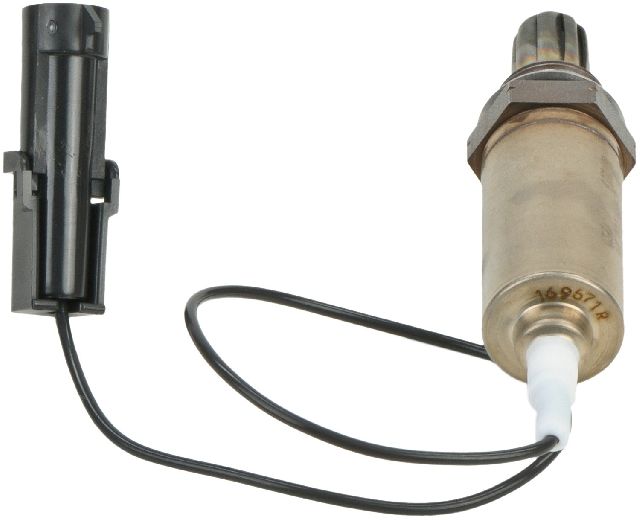
- Bosch: Bosch invented the automotive oxygen sensor and is a world leader in the technology. They are widely considered a top-tier replacement option.
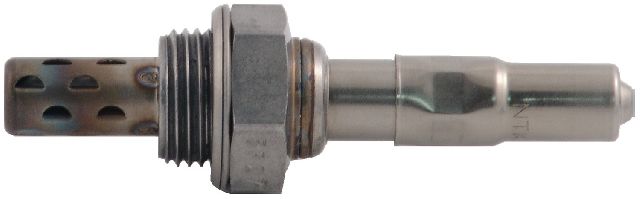
- NGK (or NTK): NTK is the sensor division of NGK. They have a strong reputation for quality and are a popular choice among mechanics and DIYers.
- Delphi: Another major OE supplier, Delphi sensors are known to be reliable and are a solid choice for your S10.
Standard & Economy Aftermarket Brands
These brands offer a lower price point, which can be appealing for an older truck. However, quality can sometimes be inconsistent.
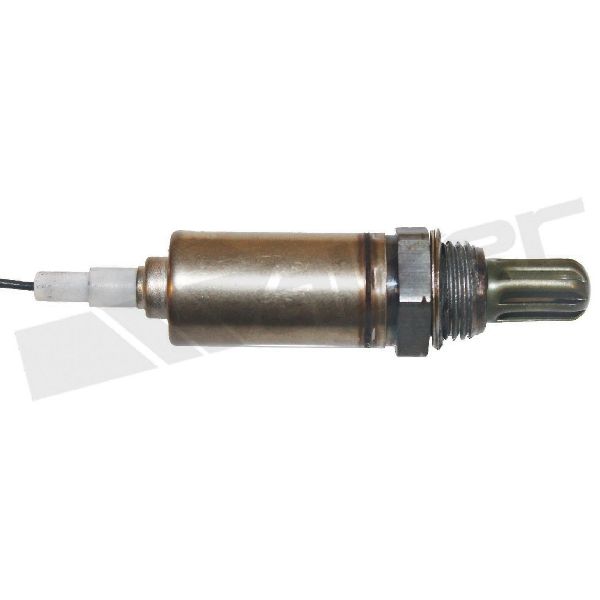
- Walker Products: Walker is a well-known exhaust parts company. Their sensors are functional, but some forum users have reported shorter lifespans compared to premium brands.
- DriveWire: This is a budget-friendly brand. It can get the job done, but long-term reliability may not match that of the premium brands.
| Part Type | Estimated Cost |
|---|---|
| New Aftermarket (This Product) | $28.13 - $49.57 |
| Shop Labor | $50 - $100 |
Installation Tip
The oxygen sensor on your S10 is located in the exhaust, either on the manifold or the crossover pipe. 🎬 Watch this walkthrough of an S10 oxygen sensor replacement. It can be very tight due to rust. Spray the old sensor with penetrating oil a day before you plan to replace it. You will also need a special oxygen sensor socket, which has a slot for the wire to pass through.
Frequently Asked Questions
How many oxygen sensors does my 1982-1989 S10 have?
Your truck should only have one oxygen sensor. It is an "upstream" sensor, located before the catalytic converter. The two-sensor systems (upstream and downstream) became standard on vehicles in 1996 and later.
Is this a heated or unheated oxygen sensor?
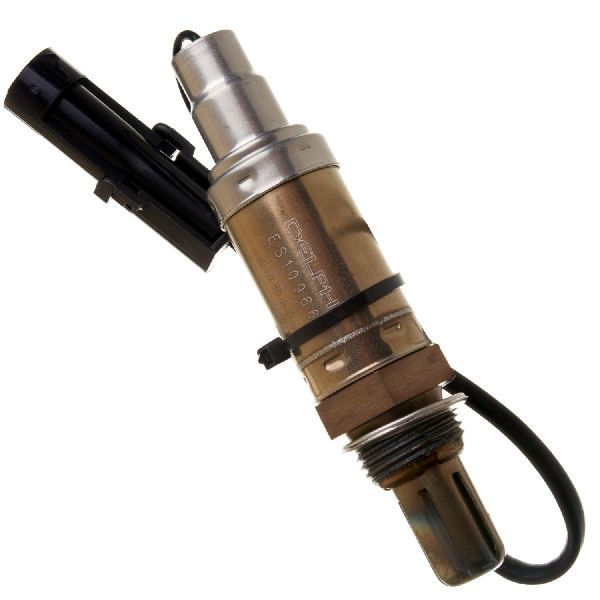
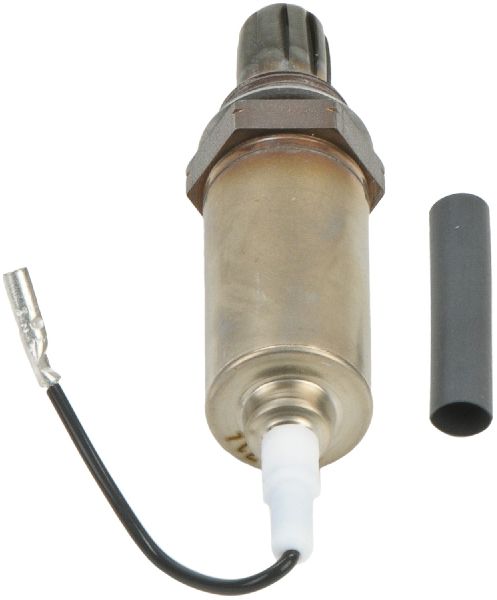
The original sensor for this generation of S10 is typically an unheated, single-wire sensor. Heated sensors (with 3 or 4 wires) warm up faster for more accurate readings on startup, but your truck's computer is designed for the simpler unheated type.
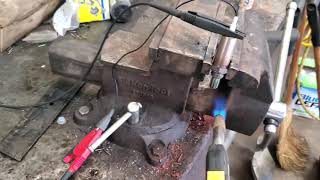
🎬 See how to bench test a single-wire sensor with a torch.Do I need a special tool to replace the oxygen sensor?
Yes, it is highly recommended to use an oxygen sensor socket. This special socket has a cutout on the side to fit over the sensor's wire. Using a regular deep socket is not possible, and an open-end wrench may strip the old, rusted sensor.
Does the new sensor need anti-seize on the threads?
Most new oxygen sensors come with anti-seize compound already applied to the threads. If yours does not, apply a small amount to the threads only, being careful not to get any on the sensor tip itself.
Helpful Videos
Technical Specifications
Sensor Type: Unheated, 1-Wire. Location: Upstream (before catalytic converter).
We Have This Part in Stock

The information in this article is provided for general reference and educational purposes only. Vehicle specifications, procedures, and part compatibility can vary by production date, trim level, and region. Always consult your vehicle's factory service manual and verify part numbers before purchasing or performing repairs. Safety-critical components such as airbags, seat belts, and braking systems should be installed by a qualified professional.
- Chevrolet S10:
- 🎬 Helpful Videos
- 🛍️ Shop This Part
- Is a bad oxygen sensor hurting your S10's performance?
- Driving with a Bad O2 Sensor
- Symptoms of a Failing Oxygen Sensor on a 1982-1989 S10
- Choosing the Right Aftermarket Oxygen Sensor
- Premium & OE-Quality Aftermarket Brands
- Standard & Economy Aftermarket Brands
- Installation Tip
- Frequently Asked Questions
- 🎟️ Get 5% Off