

Chevrolet P30 Engine Coolant Bypass Hose Guide (1982-1990)
Keep your classic P30 running cool by understanding, identifying, and replacing a worn engine coolant bypass hose.
- The bypass hose is crucial for engine warm-up; its failure can lead to critical overheating.
- Inspect all coolant hoses for cracks, swelling, or hardness, especially on an older, hard-working P30 chassis.
- Choose a quality aftermarket brand like Gates or Continental for better fit and reliability.
- When replacing the bypass hose, it's wise to replace all other coolant hoses and clamps at the same time.
Is Your P30's Bypass Hose Failing?
Because of its location near hot engine components, the bypass hose is exposed to extreme heat. Over time, the rubber can harden, crack, or swell. Since the Chevrolet P30 chassis is often used for heavy-duty applications like motorhomes, the engine is frequently under a heavy load, which adds stress to the entire cooling system. A failure here can quickly lead to major engine problems.
Key Symptoms of a Bad Bypass Hose:
- Coolant Leaks: You might see puddles of coolant (usually green or orange) under the vehicle. The leak could also be small, appearing as steam, a faint sweet smell of coolant, or crusty residue around the hose connections.
- Engine Overheating: If the hose leaks enough coolant, the engine can overheat. This is a serious condition that can cause permanent engine damage if not addressed immediately.
- Low Coolant Level: A slowly leaking bypass hose can cause your coolant level to drop over time, requiring you to top it off frequently.
- Visible Hose Damage: Look for cracks, splits, bulging, or a spongy or overly hard feel to the hose. These are clear signs the hose is ready to fail.
No Specific Recalls, But Be Vigilant
Searches of the National Highway Traffic Safety Administration (NHTSA) database did not show any specific recalls or technical service bulletins (TSBs) for the engine coolant bypass hose on the 1982-1990 Chevrolet P30. However, given the age of these vehicles, all rubber components like hoses are prone to failure and should be inspected regularly.
Choosing the Right Aftermarket Bypass Hose
For a vehicle from this era, finding a new OEM (Original Equipment Manufacturer) part is unlikely. The good news is that reputable aftermarket brands offer quality replacements. The key is choosing a well-known brand to ensure proper fit and material quality.
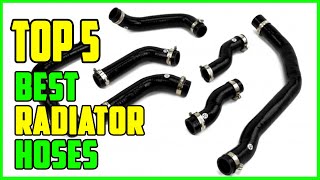
🎬 Watch this comparison of the most durable radiator hose brands.Aftermarket Brand Tiers:
- Premium Brands (Gates, Continental): Gates is a highly regarded name in the aftermarket for hoses and belts, often praised for proper fitment and durability. Forum discussions frequently recommend Gates as a top choice, sometimes noting their hoses feel more substantial than competitors. Continental (which has incorporated Goodyear's hose division) is also considered a high-quality option.
- Standard Brands (Dayco): Dayco is a widely available brand that generally offers reliable products. Some mechanics and DIYers have noted occasional fitment issues or thinner material compared to Gates, but many have used them without problems. For a critical part like a coolant hose, ensuring the fit is perfect is more important than a small price difference.
Pro Tip: Replace the Clamps!
Always replace the hose clamps when you replace a coolant hose. Old clamps can lose their tension and may not provide a secure seal on the new hose, leading to leaks. Spring-style clamps are often preferred over worm-gear clamps as they maintain constant tension as the hose material heats and cools.
Estimated Cost for Replacement
| Part/Service | Estimated Cost |
|---|---|
| New Aftermarket Bypass Hose | $23 - $97 |
| Shop Labor | $100 - $200 |
| Total Estimated Cost | $123 - $297 |
Note: Costs are estimates and can vary based on your location, the specific part chosen, and your mechanic's labor rates.
Frequently Asked Questions
Can I replace the bypass hose myself?
Yes, this is often a feasible DIY job for someone with basic mechanical skills. Access can be tight, especially on motorhome chassis. You will need to drain some coolant, remove the old hose and clamps, install the new parts, and then refill and bleed the cooling system to remove air pockets.
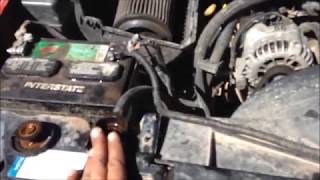
🎬 See a step-by-step guide on how to replace a bypass hose.Why is my P30 overheating even with a new hose?
If you've replaced a leaking hose and the engine still overheats, there could be air trapped in the cooling system. The system needs to be properly "burped" to remove all air pockets. Other potential causes include a faulty thermostat, a failing water pump, or a clogged radiator.
Should I replace other hoses at the same time?
Absolutely. If the bypass hose has failed due to age, it's very likely that the upper and lower radiator hoses, heater hoses, and any other coolant hoses are also near the end of their life. It is highly recommended to replace all coolant hoses at the same time to prevent future failures.
What kind of coolant should I use in my 1982-1990 P30?
For this era of GM vehicle, a conventional green ethylene glycol-based coolant is the standard recommendation. Always mix it 50/50 with distilled water. Do not use modern extended-life coolants (like Dex-Cool) unless you have completely and thoroughly flushed the entire system, as mixing coolant types can cause problems.
Helpful Videos
Technical Specifications
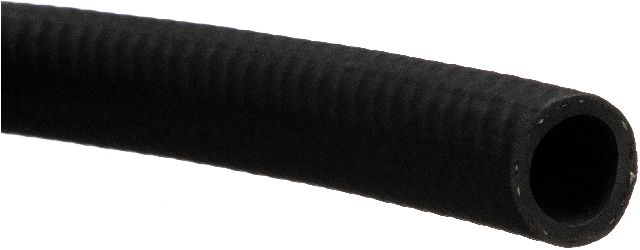
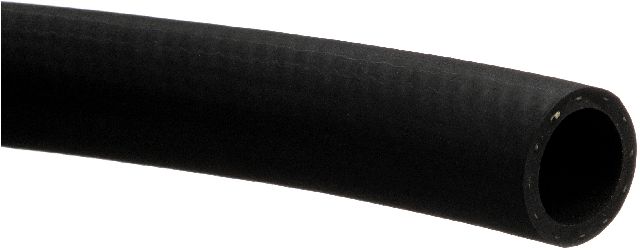
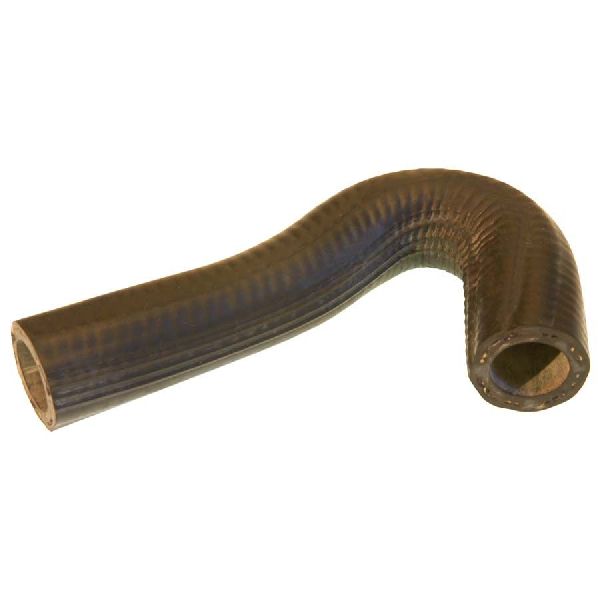
The bypass hose for a Chevrolet P30 is typically a short, molded hose made of EPDM rubber, designed to resist heat and coolant chemicals. Depending on the specific engine (e.g., 7.4L V8), it may have a 90-degree bend and connect between the water pump and intake manifold or throttle body. It is critical to get the correct molded shape for your specific application to prevent kinking and ensure proper flow.
We Have This Part in Stock

The information in this article is provided for general reference and educational purposes only. Vehicle specifications, procedures, and part compatibility can vary by production date, trim level, and region. Always consult your vehicle's factory service manual and verify part numbers before purchasing or performing repairs. Safety-critical components such as airbags, seat belts, and braking systems should be installed by a qualified professional.
- Chevrolet P30:
- 🎬 Helpful Videos
- 🛍️ Shop This Part
- Is Your P30's Bypass Hose Failing?
- Key Symptoms of a Bad Bypass Hose:
- No Specific Recalls, But Be Vigilant
- Choosing the Right Aftermarket Bypass Hose
- Aftermarket Brand Tiers:
- Pro Tip: Replace the Clamps!
- Estimated Cost for Replacement
- Frequently Asked Questions
- 🎟️ Get 5% Off