

GMC S15 Engine Coolant Temperature Sensor Guide: 1982-1990
A failing coolant temperature sensor can cause poor fuel economy and rough running in your 1982-1990 GMC S15.
- A bad ECT sensor commonly causes poor fuel economy, black exhaust smoke, and rough idling on the 1982-1990 S15.
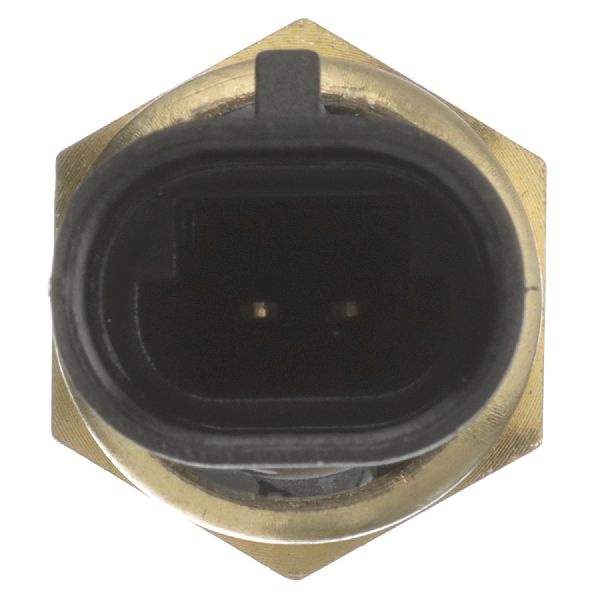
- Verify if you are replacing the two-wire ECT sensor for the computer, not the one-wire sender for the dashboard gauge.
- Replacement is simple, requiring only basic hand tools and a partial coolant drain.
- Stick with trusted brands like Delphi or Standard Motor Products (SMP) for reliability and accurate readings.
Is Your S15 Running Rough? It Could Be the Coolant Sensor
If your 1982-1990 GMC S15 is experiencing issues like bad gas mileage, black exhaust smoke, or a rough idle, a faulty Engine Coolant Temperature (ECT) sensor is a common culprit. This sensor tells the engine's computer how hot or cold the engine is. When it fails, the computer gets bad information and can't manage the engine properly. This can lead to a variety of noticeable problems. Since this is a simple and inexpensive part to replace, it's often one of the first things to check when you have these symptoms.
Symptoms of a Bad ECT Sensor on a GMC S15
A failing ECT sensor can make your truck act up in several ways. Here are the most common signs:
- Poor Fuel Economy: If the sensor is stuck reading "cold," the computer will continuously send extra fuel to the engine, thinking it's still warming up. This is called "running rich" and it wastes a lot of gas.
- Black Smoke from Exhaust: An engine that is running too rich doesn't burn all the extra fuel. This unburnt fuel gets pushed into the exhaust, where it creates black smoke.
- Rough Idle or Stalling: Incorrect fuel mixture and timing can cause your S15's engine to idle poorly or even stall, especially once it has warmed up.
- Check Engine Light: On later models with computer diagnostics, a bad ECT sensor will often trigger the Check Engine Light. On these early OBD-I systems, this may show up as trouble code 15.
- Engine Overheating: In some cases, a bad sensor can fail to signal the electric cooling fan to turn on (if equipped), leading to overheating in traffic.
Gauge vs. Sensor: A Common Mistake
Many 1982-1990 S15 trucks have two temperature units. One is the ECT sensor for the computer (usually with two wires), and the other is a one-wire sender just for the temperature gauge on your dashboard. If your gauge isn't working but the truck runs fine, you likely need the sender. If the truck runs poorly but the gauge seems okay, you likely need the ECT sensor. Make sure you are replacing the correct part.
Choosing the Right Aftermarket ECT Sensor
For a critical component like the ECT sensor, quality matters. A cheap, inaccurate sensor can cause the same problems as a broken one. Here’s a breakdown of available brands.
Tier 1: OEM Supplier & Top-Tier Aftermarket
These brands are known for reliability and are often recommended by professional mechanics.
- Delphi: Delphi is a well-known original equipment (OE) supplier for General Motors. Choosing Delphi is often the closest you can get to buying a genuine GM part. Reviews are consistently positive for fit and accuracy.
- Standard Ignition (SMP): A highly respected aftermarket brand known for making parts that meet or exceed original specifications. They perform extensive testing to ensure reliability and are a trusted choice for sensors.
- NGK: While famous for spark plugs, NGK also produces a line of high-quality sensors that are well-regarded.
Tier 2: Reputable Aftermarket Brands
These brands offer a good balance of price and quality and are generally reliable for most uses.
- Beck Arnley: This brand focuses on meeting OE specifications and is a solid choice.
- Hella: A large, established German auto parts manufacturer with a reputation for quality components.
- Four Seasons: Primarily known for climate control parts, but they offer a range of sensors that are a dependable option.
Given the low cost of even the best aftermarket sensors, it's worth spending a few extra dollars on a Tier 1 brand like Delphi or Standard Ignition to avoid future headaches. Poor quality sensors are known to fail prematurely or send inaccurate readings.
Estimated Costs for Replacement
| Part Type | Estimated Cost |
|---|---|
| New Aftermarket | $12.58 - $37.74 |
| Shop Labor | $50 - $100 |
| Total Estimated Cost | $62 - $138 |
Cost estimates are for the part and labor only and do not include taxes, shop supplies, or fees.
Frequently Asked Questions
Where is the ECT sensor located on a 1982-1990 GMC S15?
The ECT sensor is typically screwed into the intake manifold, often near the thermostat housing, or sometimes directly into the cylinder head. Look for a small sensor with a two-wire electrical connector.
Is this a difficult part to replace myself?
No, this is a good DIY job for a beginner. The difficulty rating is very low. You will need to drain some coolant, unplug the old sensor, unscrew it with a wrench or deep socket, and then install the new one. The whole process usually takes less than an hour.
Do I need to drain all the coolant to change the sensor?
You don't need to drain all of it. You just need to drain enough coolant from the radiator so the level is below the sensor's location. This will prevent a big spill when you remove the old sensor.
Should I use thread sealant on the new sensor?
Most new sensors come with a sealant already applied to the threads. If your new sensor does not have sealant, you can apply a small amount of thread sealant or Teflon tape to the threads to prevent leaks. Do not get any sealant on the tip of the sensor.
Technical Specifications
OEM Part Numbers: 1513321 12334869 12326971
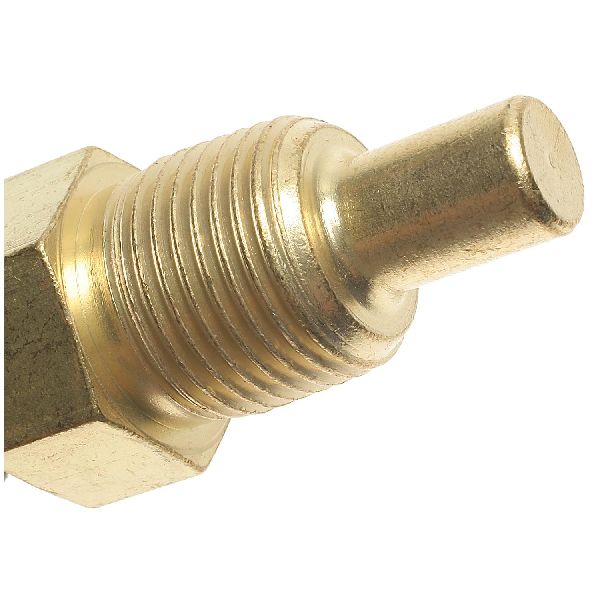
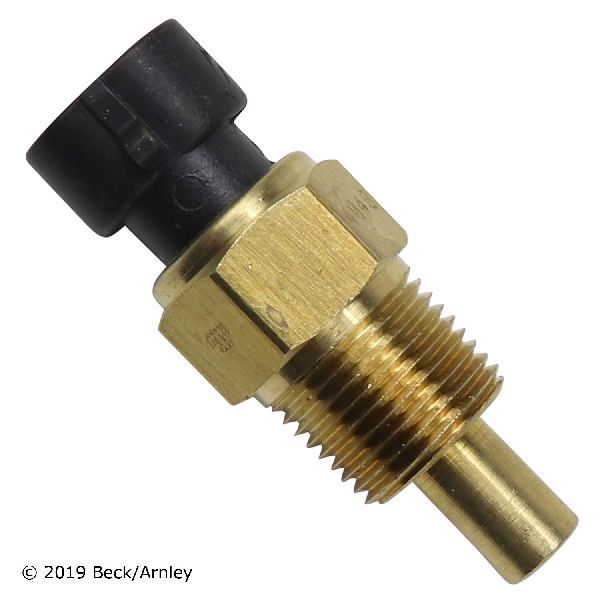
The sensor is a thermistor that changes resistance based on coolant temperature. It typically has a 2-pin connector and screws into the intake manifold or cylinder head. Thread size is often 3/8" - 18 NPTF.
We Have This Part in Stock



The information in this article is provided for general reference and educational purposes only. Vehicle specifications, procedures, and part compatibility can vary by production date, trim level, and region. Always consult your vehicle's factory service manual and verify part numbers before purchasing or performing repairs. Safety-critical components such as airbags, seat belts, and braking systems should be installed by a qualified professional.
- GMC S15:
- 🛍️ Shop This Part
- Is Your S15 Running Rough? It Could Be the Coolant Sensor
- Symptoms of a Bad ECT Sensor on a GMC S15
- Gauge vs. Sensor: A Common Mistake
- Choosing the Right Aftermarket ECT Sensor
- Tier 1: OEM Supplier & Top-Tier Aftermarket
- Tier 2: Reputable Aftermarket Brands
- Estimated Costs for Replacement
- Frequently Asked Questions
- 🎟️ Get 5% Off