

GMC S15 (1982-1990) Engine Cooling Fan Clutch Replacement Guide
Keep your S15's engine from overheating by understanding, diagnosing, and replacing its fan clutch.
- A bad fan clutch is a common cause of overheating at idle on the 1982-1990 GMC S15.
- Symptoms include overheating, a loud roaring noise, or a wobbly fan blade.
- Replacement is DIY-friendly and aftermarket brands like Hayden are a reliable choice.
- Test the clutch by hand: it should have some resistance but not be seized or spin freely.
Is your GMC S15 Overheating? It Could Be the Fan Clutch.
For a 1982-1990 GMC S15, the mechanical fan clutch is a common point of failure simply due to age. The internal silicone fluid can leak out or break down, causing the clutch to either fail to engage or seize up completely. When it fails to engage, your engine is at risk of overheating, especially when idling or in stop-and-go traffic. If it seizes, the fan runs constantly at full speed, which creates a loud roaring noise, hurts fuel economy, and puts unnecessary strain on the engine.
Key Failure Symptoms
🎬 Watch this video to identify common bad fan clutch symptoms.- Engine Overheating at Idle: The most common symptom. The temperature gauge climbs when you're stopped but may return to normal when you start moving again.
- Loud Roaring Noise: A fan that sounds like a jet engine, especially on acceleration when the engine is cold, indicates the clutch is likely seized.
- Wobbly or Loose Fan: With the engine off, check if you can wobble the fan blade assembly back and forth. Excessive play points to a worn-out bearing in the clutch.
- Poor A/C Performance at Stops: A fan that isn't pulling enough air at idle can reduce the A/C's ability to cool the cabin.
Choosing the Right Aftermarket Fan Clutch
Since these trucks are older, finding a new OEM fan clutch from GM is highly unlikely. The aftermarket is your primary source. The quality of aftermarket parts can vary, but several reputable brands make reliable replacements for the S15. The fan clutch is a simple, thermal device on these trucks, not electronic, which makes aftermarket versions a very practical choice.
Brand Tiers for Your S15
When shopping, you'll find brands generally fall into a few categories based on owner feedback and reputation.
- Tier 1 (Often Recommended): Hayden is a well-regarded name in cooling systems and is frequently recommended by mechanics and DIYers. They offer different duty ratings (standard, heavy-duty) to match your needs. For most S15 owners, a standard or heavy-duty Hayden clutch is a solid choice.
- Tier 2 (Solid Mid-Range): Brands like GMB and US Motor Works are common in the market. GMB is known for making cooling system components to OEM specifications. Some users have had good experiences with US Motor Works, noting they are sometimes made in the USA and can resolve issues with seized clutches.
- Tier 3 (Value Options): Four Seasons is a large supplier of all types of temperature control parts. While some users have had success, others recommend staying clear, citing inconsistent performance. These can be a budget-friendly option, but may carry more risk of premature failure.
Pro Tip: Check for Leaks and Test by Hand
With the engine off and cool, try to spin the fan blade. It should turn with some resistance and not spin freely for more than a couple of rotations. If it spins with no resistance, the clutch has failed. If it's extremely difficult to turn or feels gritty, the bearing is seized. Also, look for oily streaks on the front of the clutch body, which indicates the internal silicone fluid has leaked out.
🎬 See a hands-on demonstration of how to inspect your clutch.Estimated Costs
| Part Type | Estimated Cost |
|---|---|
| New Aftermarket Part | $44 - $126 |
| Shop Labor | $75 - $150 |
| Total Professional Replacement | $119 - $276 |
Frequently Asked Questions (FAQ)
Can I replace the S15 fan clutch myself?
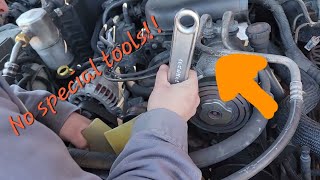
Yes, this is a very DIY-friendly job for someone with basic mechanical skills. The process involves removing the fan shroud, unbolting the fan and clutch assembly from the water pump pulley, and then swapping the clutch. You may need a special fan clutch wrench set, but sometimes a large adjustable wrench will work.
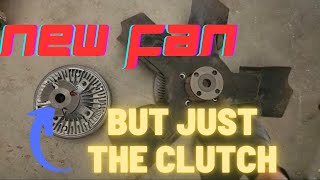
🎬 Follow this step-by-step guide to replace your S10/S15 fan clutch.Are there any recalls for the 1982-1990 GMC S15 fan clutch?
No, searches of the NHTSA database show no open recalls or specific safety campaigns for the engine cooling fan clutch on the 1982-1990 GMC S15. Recalls found for GMC cooling fans are for much newer vehicles and different issues.
What's the difference between a standard, heavy-duty, and severe-duty clutch?
The difference is in how quickly and aggressively the clutch engages. A standard clutch is fine for normal driving. A heavy-duty or severe-duty clutch, like some offered by Hayden, will engage sooner and lock up more firmly, providing maximum cooling for trucks that tow or operate in very hot climates. For an S15, a standard or heavy-duty unit is usually sufficient.
Will a bad fan clutch cause a Check Engine Light?
On the 1982-1990 GMC S15, it is highly unlikely. These vehicles use simple, non-electronic fan clutches that are not monitored by the engine computer. Newer vehicles with electronic fan clutches can trigger a Check Engine Light, but this does not apply to this generation of S15.
Helpful Videos
Technical Specifications
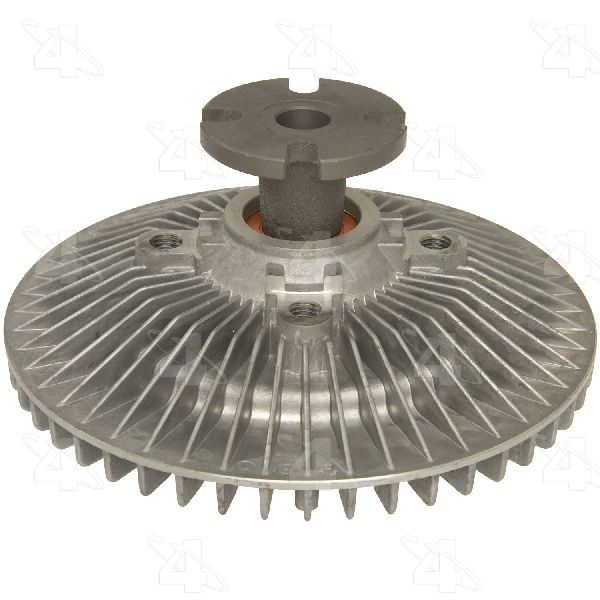
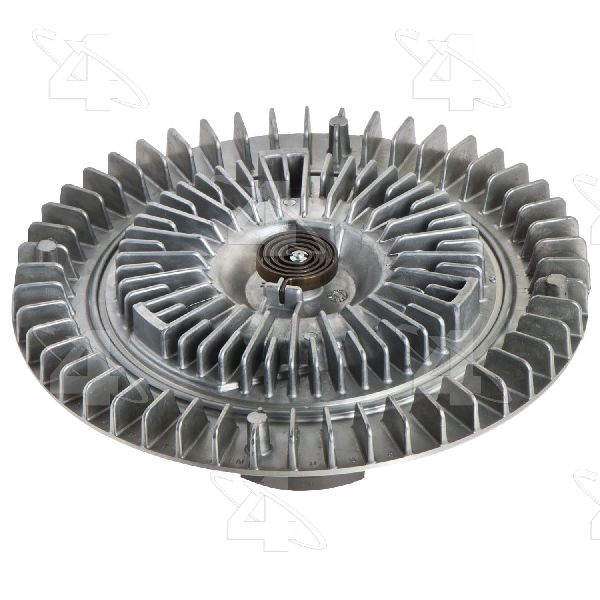
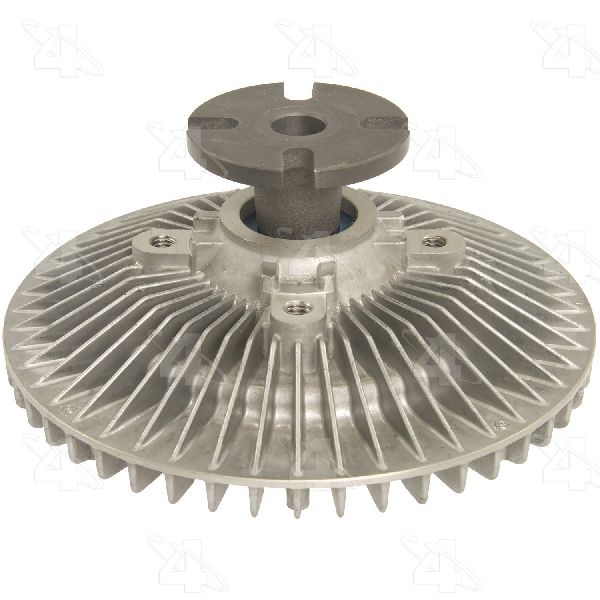
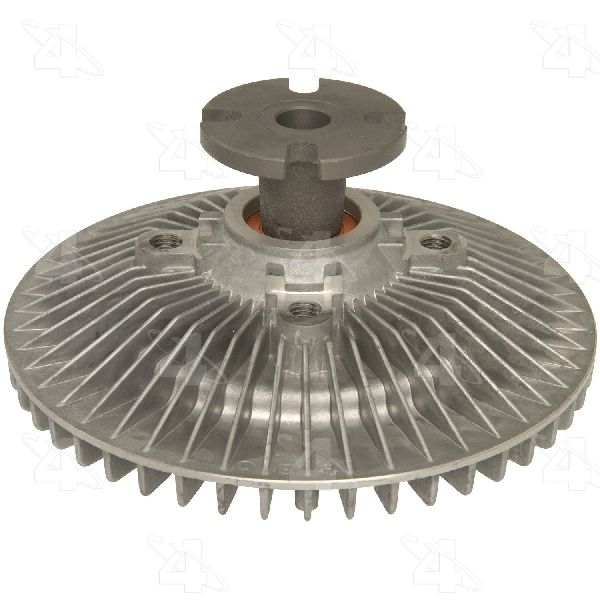
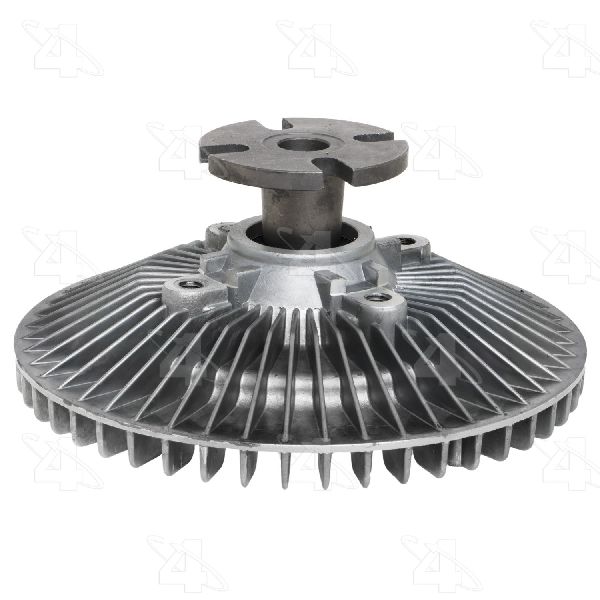
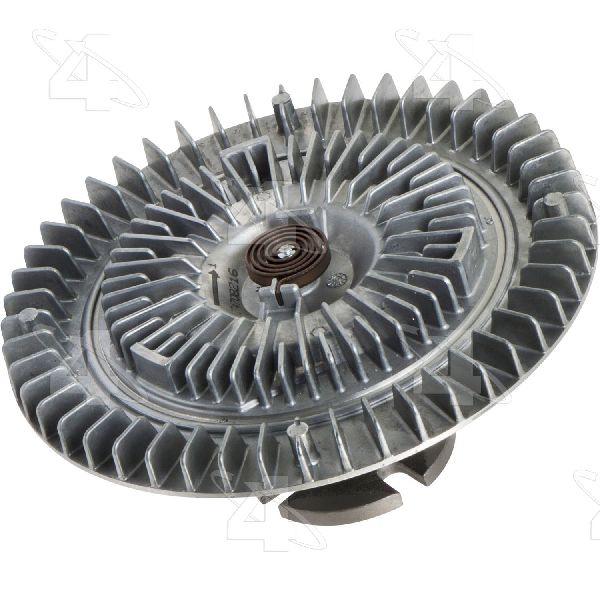
The fan clutch for the 1982-1990 GMC S15 is a non-electronic, thermal viscous type. It mounts to the water pump pulley and engages based on the temperature of the air passing through the radiator fins.
We Have This Part in Stock

The information in this article is provided for general reference and educational purposes only. Vehicle specifications, procedures, and part compatibility can vary by production date, trim level, and region. Always consult your vehicle's factory service manual and verify part numbers before purchasing or performing repairs. Safety-critical components such as airbags, seat belts, and braking systems should be installed by a qualified professional.
- GMC S15: