

GMC S15 Suspension Stabilizer Bar Bushing Replacement Guide (1982-1990)
Eliminate clunks and tighten up the handling on your 1982-1990 GMC S15 by replacing worn stabilizer bar bushings.
- The most critical step before ordering is to measure your S15's specific sway bar diameter to ensure a correct fit.
- Choose polyurethane bushings (Energy Suspension) for better performance and handling, but expect a firmer ride.
- Choose quality rubber or thermoplastic bushings (Moog, Mevotech, Delphi) to eliminate noise and restore the comfortable factory ride.
- This is a straightforward DIY repair that can significantly improve your truck's noise level and handling.
Signs of Worn Stabilizer Bar Bushings on a GMC S15
Your first-generation S15 is a tough truck, but its rubber suspension components wear out over time. The stabilizer bar bushings are a common failure point. You'll likely notice a few key symptoms when they need to be replaced.
- Clunking or Knocking Noises: This is the most common sign. You'll hear a rhythmic clunking sound coming from the front of the truck, especially when driving over bumps, uneven roads, or into driveways. This is the sound of the loose stabilizer bar moving around in its worn-out bushings.
- Increased Body Roll: If your S15 feels like it leans or "sways" more than it used to in turns, the bushings are likely not holding the stabilizer bar effectively.
- Loose or Vague Steering: Worn bushings can lead to a less responsive or sloppy feeling in the steering. The truck may feel less stable at highway speeds.
- Visible Wear: You can often see the problem. Look under the front of your truck where the stabilizer bar is held to the frame. If the bushings look cracked, brittle, deformed, or have a visible gap between the bushing and the bar, they need replacement.
Pro Tip: Measure Your Sway Bar!
The 1982-1990 GMC S15 was available with different stabilizer bar diameters. Before ordering, you must measure your truck's bar with a caliper or an adjustable wrench to ensure you buy the correct size bushings. Ordering the wrong size is a common and frustrating mistake.
Choosing the Right Aftermarket Bushing Kit
For a vehicle of this age, aftermarket parts are the primary option. Original OEM rubber bushings would be hard to find and have likely degraded even if new-old-stock. Aftermarket options offer different materials and designs to suit your needs, from restoring the original ride to upgrading performance.
Tier 1: Performance Upgrade (Polyurethane)
These bushings are for the owner who wants improved handling and long-term durability.
- Brands: Energy Suspension, Nolathane
- Material: Polyurethane. This material is much stiffer and more durable than the original rubber. It's resistant to oil and other contaminants.
- Pros: Significantly reduces body roll and sharpens steering response. You'll notice a big difference in how the truck handles corners. They are extremely durable.
- Cons: The ride will be firmer. Because the material is so stiff, it can transmit more road noise and vibration. They can also squeak if not installed with the proper grease.
Tier 2: Heavy-Duty & Problem Solvers
These brands often offer improved designs over the original for better durability without the harshness of polyurethane.
- Brands: Moog (Problem Solver line), Mevotech (Supreme line)
- Material: Often a high-quality synthetic rubber, thermoplastic, or an enhanced design.
- Pros: These are often built beefier than the original parts and are a popular choice for daily drivers. They provide a good balance of performance, comfort, and durability. Many users in forums express high confidence in these lines.
- Cons: Can be more expensive than standard replacement options.
Tier 3: Standard OE-Style Replacement
If you just want to fix the clunking and restore the original ride quality on a budget, these are excellent choices.
- Brands: Delphi, Dorman, QuickSteer, standard Moog/Mevotech lines
- Material: Standard rubber or synthetic equivalent.
- Pros: Affordable and widely available. They will eliminate noise and restore the truck's original handling characteristics. Delphi is often considered a high-quality OE-equivalent brand.
- Cons: While they fix the problem, they use a softer rubber material that will eventually wear out again, just like the originals. Dorman is generally seen as a budget-friendly option, but some users report mixed quality.
Known Issues, TSBs, or Recalls
Searches for official recalls or Technical Service Bulletins (TSBs) from GMC or the NHTSA for stabilizer bar bushings on the 1982-1990 S15 did not yield any specific results. Failures are typically due to the age and normal wear of the rubber components rather than a specific manufacturing defect.
| Part Type | Estimated Cost |
|---|---|
| New Aftermarket Bushing Kit | $6.60 - $67.19 |
| Shop Labor for Installation | $100 - $200 |
| New OEM Bushing Kit | N/A or very limited availability |
Frequently Asked Questions (FAQ)
Should I choose rubber or polyurethane bushings?
Choose rubber (or a thermoplastic like Moog offers) if you want to maintain the original ride comfort and are on a tight budget. Choose polyurethane (like Energy Suspension) if you want tighter handling, better performance, and are okay with a potentially firmer ride and the need for proper greasing to prevent noise.
Do I need to replace the sway bar end links at the same time?
It's a good idea. The end links connect the ends of the sway bar to the suspension and have their own bushings that also wear out. Since you'll likely have to disconnect them to replace the frame bushings, replacing them at the same time is efficient and ensures the entire stabilizer bar system is new and tight. Many kits include both the frame bushings and the end link bushings.
How do I measure my sway bar diameter correctly?
The best tool is a digital or dial caliper. If you don't have one, you can use an adjustable wrench. Tighten the wrench onto the bar, then carefully remove it without changing the adjustment and measure the gap with a tape measure. This measurement is critical for ordering the right parts.
Is replacing the stabilizer bar bushings a good DIY job?
Yes, for most home mechanics with a good set of tools, this is a very manageable job. It typically involves lifting the front of the truck, removing two brackets, and swapping the bushings. You should always use jack stands for safety. Soaking the bolts in penetrating oil beforehand can make the job much easier.
Technical Specifications
Sway bar diameter must be measured before ordering. Common sizes exist, but verification is necessary.
We Have This Part in Stock
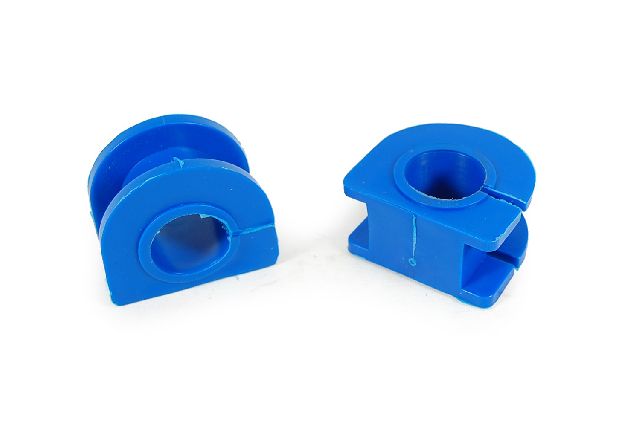
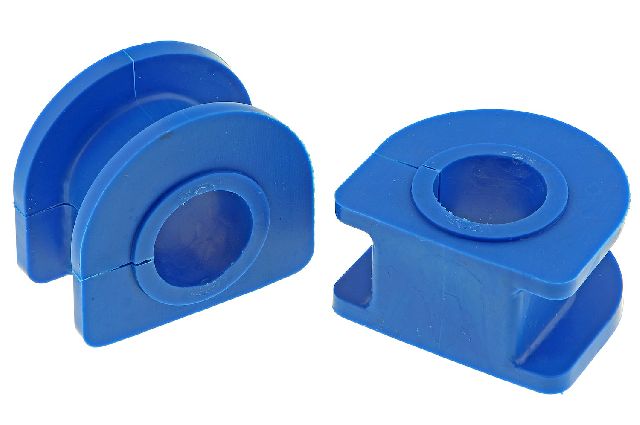
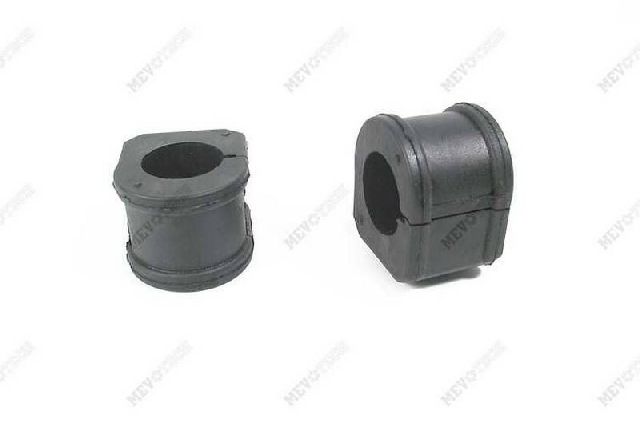
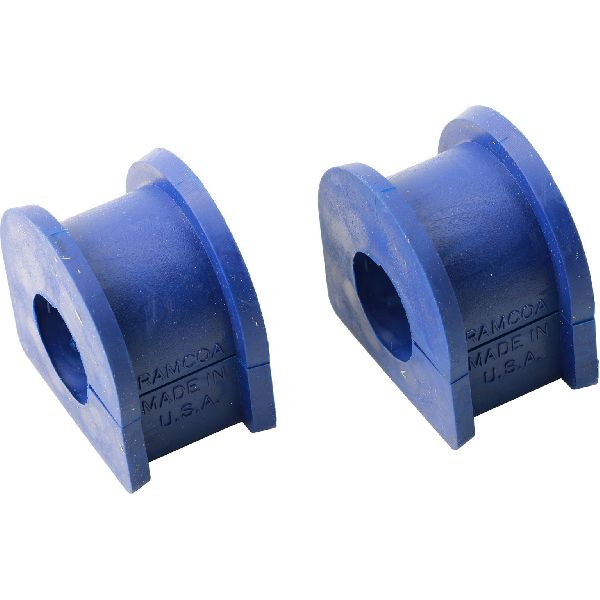
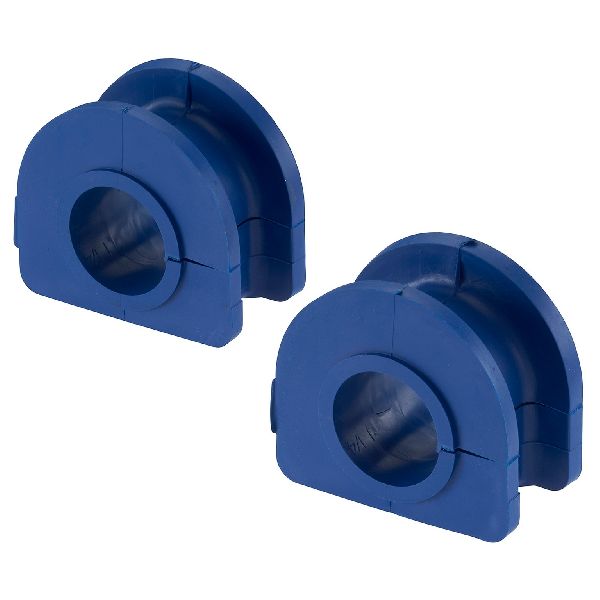
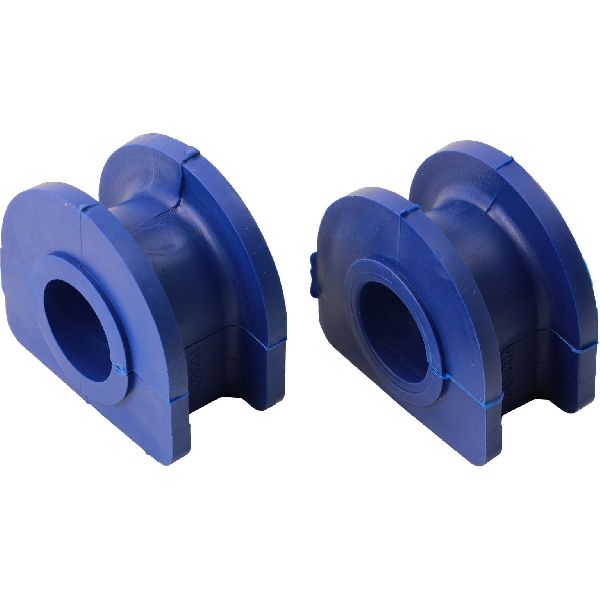

The information in this article is provided for general reference and educational purposes only. Vehicle specifications, procedures, and part compatibility can vary by production date, trim level, and region. Always consult your vehicle's factory service manual and verify part numbers before purchasing or performing repairs. Safety-critical components such as airbags, seat belts, and braking systems should be installed by a qualified professional.
- GMC S15:
- 🛍️ Shop This Part
- Signs of Worn Stabilizer Bar Bushings on a GMC S15
- Pro Tip: Measure Your Sway Bar!
- Choosing the Right Aftermarket Bushing Kit
- Tier 1: Performance Upgrade (Polyurethane)
- Tier 2: Heavy-Duty & Problem Solvers
- Tier 3: Standard OE-Style Replacement
- Known Issues, TSBs, or Recalls
- Frequently Asked Questions (FAQ)
- 🎟️ Get 5% Off