

Spark Plug Guide for the 1982-1990 Nissan Sentra
Find the right spark plugs to keep your classic Sentra's engine firing on all cylinders.
- For best results and originality, use standard copper spark plugs from NGK or Denso, which are often the OEM suppliers for Nissan.
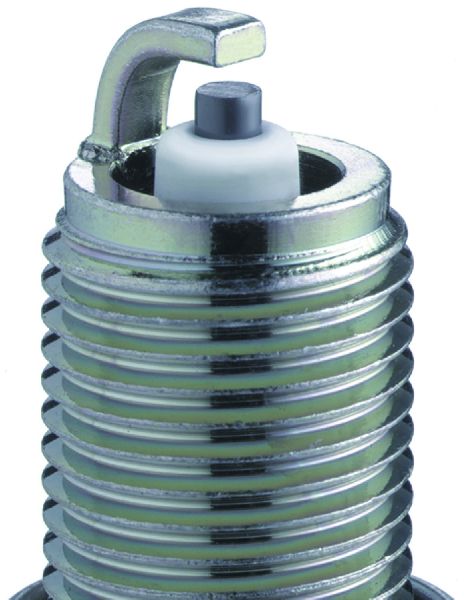
- Always check the spark plug gap before installation; it should be set between 0.039 and 0.044 inches for most engines in this generation.
- Replacement is a very simple DIY job that requires only basic tools and about 30 minutes.
- Symptoms like rough idle, poor acceleration, and difficulty starting are strong indicators of worn spark plugs.
Symptoms of Failing Spark Plugs
Worn-out spark plugs can cause several noticeable problems in your Sentra. Because these engines are from a simpler era of automotive technology, they are very sensitive to the condition of ignition components. You might notice a rough idle, where the engine shakes or sputters when stopped. Other signs include difficulty starting the car, engine hesitation or misfiring during acceleration, and a decrease in fuel economy. In some cases, you might hear a popping or backfiring sound from the engine.
Choosing the Right Aftermarket Spark Plugs
For a classic vehicle like the 1982-1990 Sentra, you have several excellent aftermarket spark plug options. The original factory plugs were likely standard copper plugs, and high-quality replacements of this type are still a great, affordable choice.
Brand Quality Tiers
| Tier | Brands | Description |
|---|---|---|
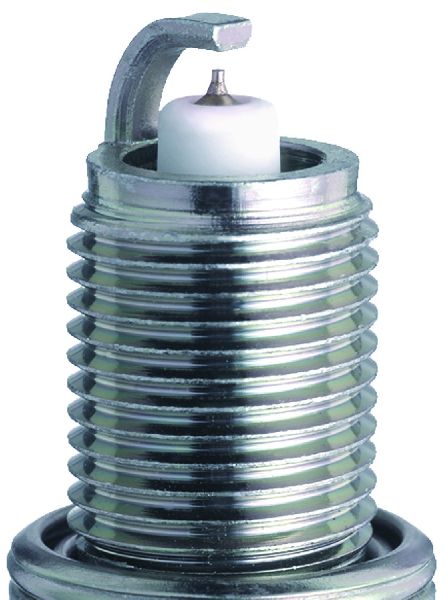
| OEM-Equivalent | NGK, Denso | NGK and Denso are original equipment suppliers for most Japanese vehicles, including Nissan. They are widely considered the best choice for reliability and performance that matches factory standards. For this Sentra, a standard NGK or Denso copper plug is an excellent and affordable option. |
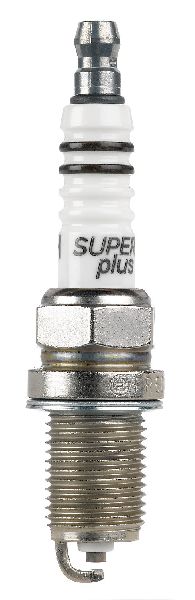
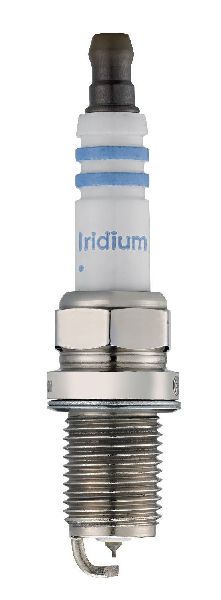
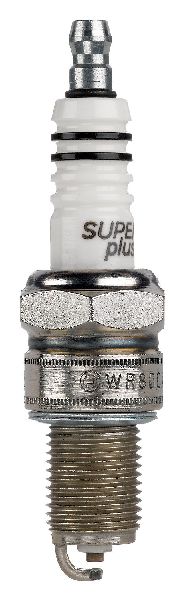
| Quality Aftermarket | Autolite, Bosch | These brands offer reliable performance. While some owners prefer to stick with Japanese brands for Japanese cars, modern Autolite and Bosch plugs are well-made. Bosch offers a wide range of plugs, including standard copper and upgraded platinum types. |
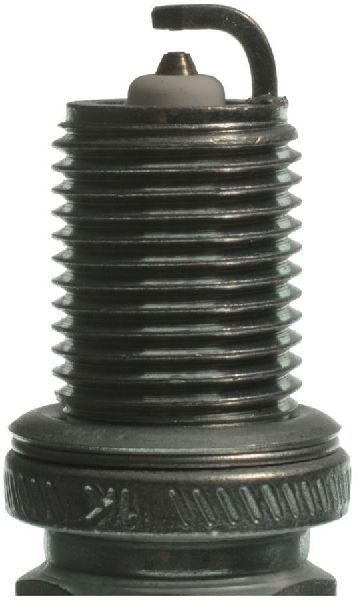
| Economy | Champion | Champion is an established American brand that produces affordable spark plugs. While some forums contain mixed reviews, their standard copper plugs can be a suitable budget-friendly option for an older vehicle like the B11 or B12 Sentra. |
Pro Tip: For the carbureted E15 and E16 engines in these Sentras, standard copper spark plugs from NGK or Denso are often the best choice. They are inexpensive and perform very well. While modern platinum or iridium plugs last longer, they may not offer a noticeable performance benefit in these older engine designs and are more expensive.
Known Issues, Recalls, and TSBs
For a vehicle of this age, there are no specific recalls or Technical Service Bulletins (TSBs) from the NHTSA related to spark plugs. Any running issues are more likely related to the general age and wear of ignition components rather than a specific factory defect. General problems reported by owners of this era Sentra often relate to carburetor issues, vacuum leaks, or general electrical faults, which can sometimes be mistaken for spark plug problems.
Frequently Asked Questions (FAQ)
How often should I replace the spark plugs on my 1982-1990 Sentra?
For standard copper spark plugs, a good interval is every 15,000 to 30,000 miles. Given the age of the vehicle, inspecting them annually for wear and proper gap is a good practice.
What is the correct spark plug gap for my Sentra?
The recommended spark plug gap for most 1.5L and 1.6L engines in this generation is typically between 0.039 and 0.044 inches (1.0-1.1 mm). Always verify the gap with a feeler gauge before installation, even if the plugs are advertised as "pre-gapped."
Should I use anti-seize on the new spark plugs?
This is a topic of debate. Brands like NGK apply a special trivalent plating to their plugs that acts as an anti-seize, and they recommend not using additional lubricant. If you use a brand without this coating, a very small amount of anti-seize on the upper threads (avoiding the electrode) can help prevent the plugs from getting stuck in the cylinder head.
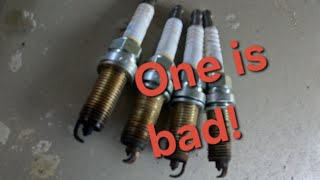
Can I use platinum or iridium plugs 🎬 Watch a step-by-step spark plug replacement on a newer Sentra model in my old Sentra?
Yes, you can. Modern iridium and platinum plugs from brands like NGK, Denso, and Bosch will fit and work. They offer a much longer service life. However, the performance gains on the older E-series engines are likely to be minimal, and standard copper plugs are more than adequate and cost-effective.
Helpful Videos
Technical Specifications
OEM Part Numbers: 22401-27N15 22401-27N16 22401-27N65 22401-27N66 22401-1P116
Engine Type: E15 (1.5L), E16 (1.6L), GA16I (1.6L) Spark Plug Gap: 0.039" - 0.044" (1.0mm - 1.1mm) Plug Type: Standard copper recommended; Platinum and Iridium compatible
We Have This Part in Stock

The information in this article is provided for general reference and educational purposes only. Vehicle specifications, procedures, and part compatibility can vary by production date, trim level, and region. Always consult your vehicle's factory service manual and verify part numbers before purchasing or performing repairs. Safety-critical components such as airbags, seat belts, and braking systems should be installed by a qualified professional.
- Nissan Sentra: