

Pontiac 6000 Engine Coolant Temperature Sensor (1982-1991): A Comprehensive Guide
Everything you need to know about choosing the right new aftermarket Engine Coolant Temperature Sensor for your 1982-1991 Pontiac 6000.
- A failing ECT sensor on your Pontiac 6000 can cause poor fuel economy, overheating, and a Check Engine Light.
- Replacement is a simple, low-cost DIY job that most owners can do in under 30 minutes with basic tools.
- For reliability, consider trusted aftermarket brands like Delphi, Standard Ignition (SMP), or NGK.
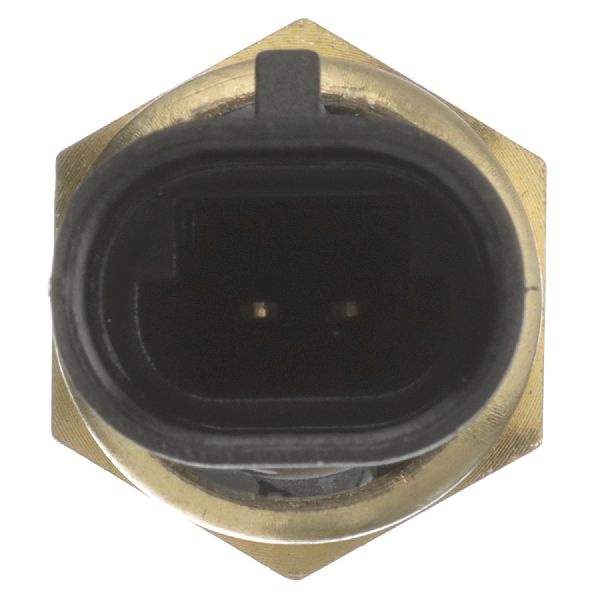
- Always double-check the electrical connector on your old sensor to ensure the new part is an exact match for your specific engine.
Is your Pontiac 6000's Engine Coolant Temperature Sensor Failing?
For a vehicle like the 1982-1991 Pontiac 6000, the Engine Coolant Temperature (ECT) sensor is a key component for engine performance. When it fails, it can cause a range of confusing problems. Because the sensor's signal is used by the computer to control fuel delivery and cooling fans, a bad sensor can make the car run as if it's always cold or always hot, regardless of the actual engine temperature.
Symptoms of a Bad ECT Sensor
- Poor Fuel Economy: If the sensor incorrectly tells the computer the engine is cold, the computer will enrich the fuel mixture, causing the car to use more gas than necessary.
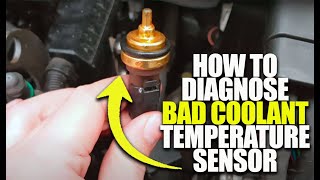
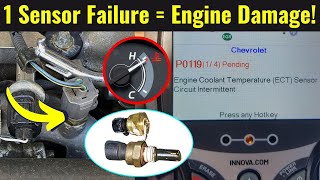
- Check Engine Light: A faulty sensor will often trigger a Check Engine Light and store a diagnostic trouble code (like P0115, P0116, P0117, or P0118) 🎬 Watch this beginner's guide to diagnosing a bad temperature sensor. in the car's computer.
- Engine Overheating or Overcooling: The sensor helps control the electric cooling fans. A bad sensor might not turn the fans on when needed, leading to overheating. Conversely, it could cause the fans to run constantly.
- Black Smoke from Exhaust: An overly rich fuel mixture, caused by a bad sensor reading, can result in black, sooty smoke from the tailpipe.
- Rough Idle and Stalling: Incorrect fuel mixture and timing based on faulty temperature data can lead to a rough idle, hesitation, or stalling, especially when the engine is cold.
- Inaccurate Temperature Gauge: The reading on your dashboard's temperature gauge may be erratic, pegged at hot or cold, or not move at all.
Don't Ignore the Signs
While you can usually drive with a faulty ECT sensor, it's not recommended for long. Persistently running too rich can foul spark plugs and damage the catalytic converter, while a failure to activate the cooling fans can lead to severe engine damage from overheating.
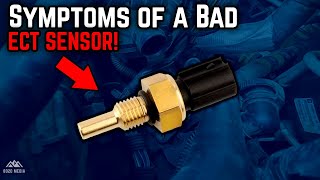
🎬 Learn more about the common signs of a failing ECT sensor.Choosing the Right Aftermarket ECT Sensor
For a classic vehicle like the Pontiac 6000, Original Equipment Manufacturer (OEM) parts from GM are likely discontinued or very hard to find. The good news is that the aftermarket provides many quality options that meet or exceed original specifications. These sensors are affordable and readily available.
Aftermarket Brand Tiers for Pontiac 6000
When shopping for an aftermarket sensor, quality can vary. Some brands have a long-standing reputation for reliability.
- Top Tier (OEM Quality or Better): Brands like Delphi and NGK are often original equipment suppliers to many automakers. They are known for their stringent quality control and reliability. Standard Ignition (SMP) is another top-tier brand with a strong reputation for producing durable and accurate sensors.
- Mid-Grade (Reliable & Recommended): Brands like Beck Arnley, Hella, and Four Seasons offer a good balance of quality and value. They are dependable choices for daily drivers and are often manufactured to meet original specifications.
- Value-Oriented: Brands like Global Parts, Motorad, and True Tech provide a cost-effective solution. While they are functional, be aware that forum discussions on similar vehicles sometimes mention a higher out-of-the-box failure rate with less expensive electronic parts.
Pro Tip: Check the Connector
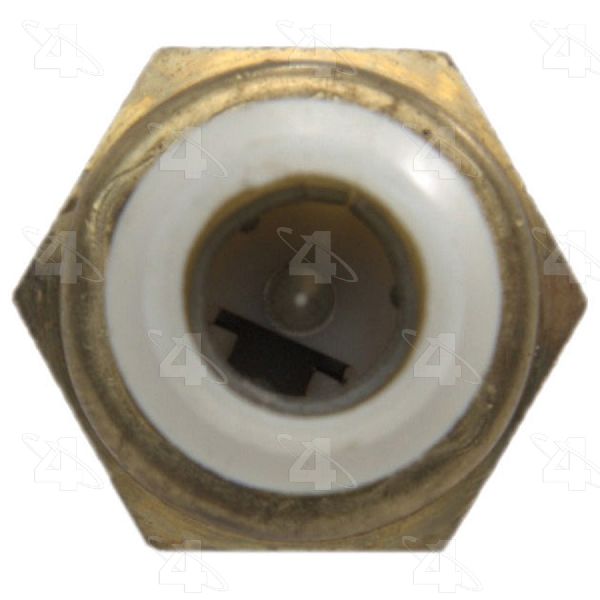
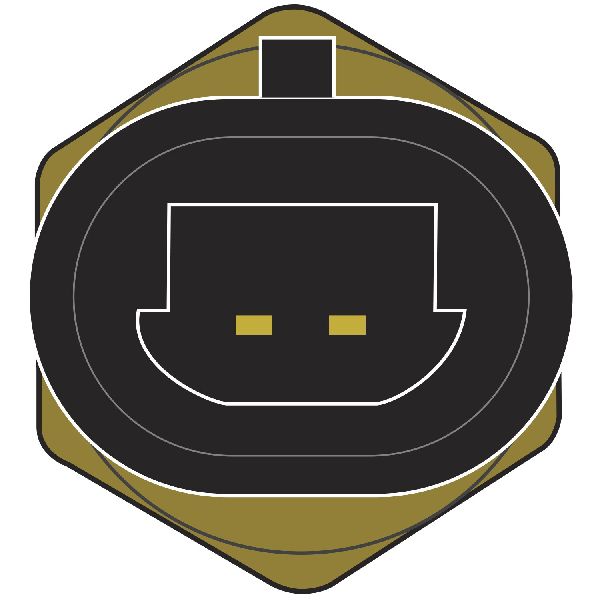
Over the long production run of the Pontiac 6000, different engines (2.5L I4, 2.8L V6, 3.1L V6, 4.3L V6 Diesel) were used. Always verify the connector shape (e.g., round, plug-in) and the number of terminals (pins) on your original sensor to ensure you buy an exact match.
Cost of a New Engine Coolant Temperature Sensor (1982-1991 Pontiac 6000)
| Part Type | Price Range |
|---|---|
| New Aftermarket Sensor | $12.58 - $37.74 |
| Estimated Shop Labor | $50 - $100 |
Prices are estimates and can vary based on brand, location, and vehicle specifics. The aftermarket price range is based on our current inventory.
Frequently Asked Questions (FAQ)
Where is the ECT sensor located on a Pontiac 6000?
The ECT sensor is typically screwed into a coolant passage on the engine. On many GM engines from this era, like the 2.8L V6, it is often found near the thermostat housing at the front of the engine, where the upper radiator hose connects. Always consult a repair manual for your specific engine to be certain.
Can I replace the ECT sensor myself?
Yes, this is a very DIY-friendly repair. It usually involves unplugging the electrical connector, and using a deep socket or wrench to unscrew the old sensor and install the new one. It's best to do this when the engine is cold to avoid burns and minimize coolant loss. Some coolant will leak out when the sensor is removed, so have a catch pan ready and top off the coolant after replacement.
🎬 See how to replace a coolant temperature sensor on GM engines.Are there any recalls for the Pontiac 6000 ECT sensor?
A search of the National Highway Traffic Safety Administration (NHTSA) database shows no specific recalls for the engine coolant temperature sensor on the 1982-1991 Pontiac 6000. Any issues would be considered general maintenance or repair.
What's the difference between a temperature 'sensor' and a 'sender'?
They are often the same part, but the terms can be used differently. A 'sensor' typically sends its reading to the engine computer (ECM). A 'sender' or 'sending unit' typically sends its reading directly to the temperature gauge on your dashboard. On many older cars like the Pontiac 6000, a single sensor may perform both functions, or there may be two separate units. It's crucial to replace the correct one based on your symptoms (e.g., engine performance issues vs. only a faulty gauge).
Helpful Videos

Technical Specifications
OEM Part Numbers: 25036979 12146312 25036035 25036371 25036452 25036535 25037175 25037176 8992347
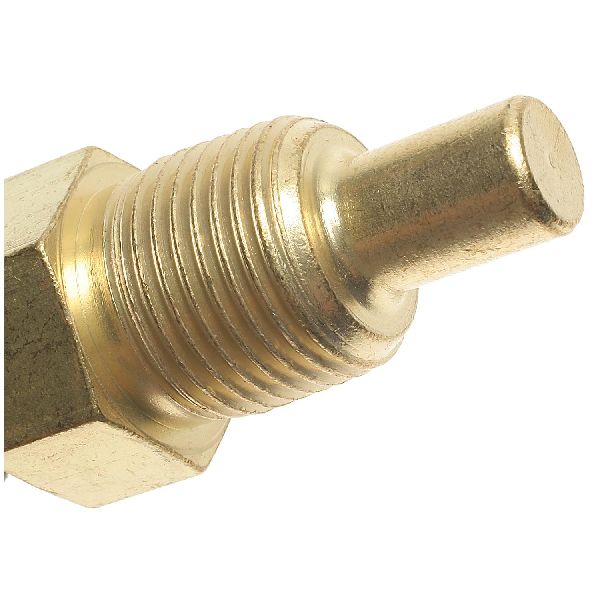
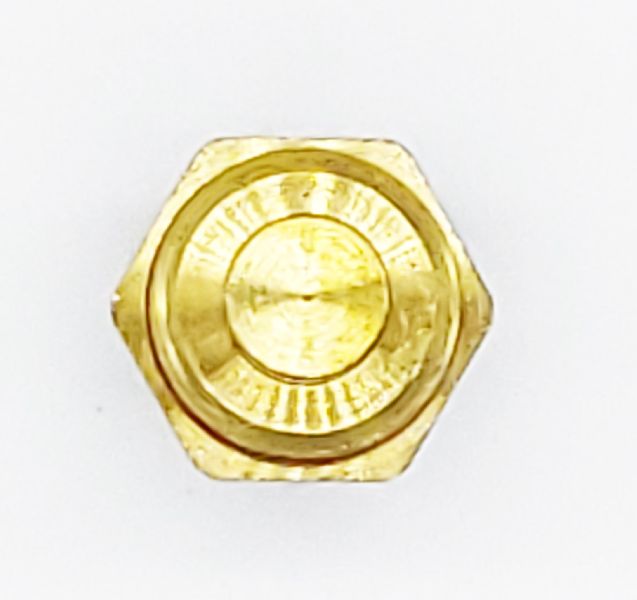
Typically features a 2-pin blade style connector and a brass body. Thread size is commonly 3/8" x 18.
We Have This Part in Stock


The information in this article is provided for general reference and educational purposes only. Vehicle specifications, procedures, and part compatibility can vary by production date, trim level, and region. Always consult your vehicle's factory service manual and verify part numbers before purchasing or performing repairs. Safety-critical components such as airbags, seat belts, and braking systems should be installed by a qualified professional.
- Pontiac 6000:
- 🎬 Helpful Videos
- 🛍️ Shop This Part
- Is your Pontiac 6000's Engine Coolant Temperature Sensor Failing?
- Symptoms of a Bad ECT Sensor
- Don't Ignore the Signs
- Choosing the Right Aftermarket ECT Sensor
- Aftermarket Brand Tiers for Pontiac 6000
- Pro Tip: Check the Connector
- Cost of a New Engine Coolant Temperature Sensor (1982-1991 Pontiac 6000)
- Frequently Asked Questions (FAQ)
- 🎟️ Get 5% Off