

Pontiac 6000 Throttle Position Sensor (TPS) Resource: 1982-1991
Fix hesitation, poor idle, and stalling issues by understanding and choosing the right Throttle Position Sensor for your 1982-1991 Pontiac 6000.
- A bad Throttle Position Sensor (TPS) is a common cause of hesitation, rough idle, and stalling on the Pontiac 6000.
- Replacement is very easy for DIYers, requiring only basic tools and about 30 minutes.
- Due to the vehicle's age, aftermarket is the only viable option; choose a reputable brand like Delphi or Standard Ignition for reliability.
- Do not buy a used sensor, as it is a wear item and a new, warrantied part is inexpensive.
Understanding Throttle Position Sensor Failure in Your Pontiac 6000
If your Pontiac 6000 is experiencing engine problems like stalling, hesitating when you accelerate, or a rough idle, a failing Throttle Position Sensor (TPS) could be the cause. This sensor is a simple electronic part that wears out over time. Inside, a small contact sweeps across a resistor, and over thousands of movements, it can develop dead spots or send erratic signals. For a vehicle from the 1982-1991 model years, it's not a matter of if, but when, this sensor will need replacement.
Symptoms of a Bad TPS
A bad TPS can make your car unpredictable and unsafe to drive. Watch for these common signs:
- Hesitation or Stumbling: The car may lag or stumble when you press the gas pedal.
- Rough or High Idle: The engine might idle erratically, too fast, or stall completely.
- Poor Acceleration: Your car may feel sluggish and lack power.
- Sudden Surges or Stalls: The engine might unexpectedly surge in speed or stall while driving.
- Automatic Transmission Problems: A bad TPS signal can cause harsh or delayed gear shifts.
- Check Engine Light: A failing TPS will often trigger the Check Engine Light. Common trouble codes include P0120 through P0124.
Choosing the Right Aftermarket TPS Brand
For the 1982-1991 Pontiac 6000, finding a new original equipment (OEM) part from GM is highly unlikely. The good news is that the aftermarket offers many options. However, quality can vary significantly. Based on owner experiences and brand reputation for GM vehicles of this era, here is a breakdown of available brands.
Tier 1: Premium Aftermarket
These brands have a strong reputation for quality and reliability, often meeting or exceeding original specifications. They are the preferred choice for a dependable, long-lasting repair.
- Delphi: Delphi has a history as an original equipment supplier for GM. Choosing Delphi is often the closest you can get to the original part's quality and fit.
- Standard Motor Products (SMP) / Standard Ignition: SMP is a well-respected aftermarket manufacturer known for producing reliable electronic components and sensors. They are a trusted choice among professional mechanics.
- NGK: While famous for spark plugs, NGK's sensor division (NTK) also produces high-quality sensors that are considered a top-tier option.
Tier 2: Quality Aftermarket
These brands offer a good balance of quality and value, making them a solid choice for most owners.
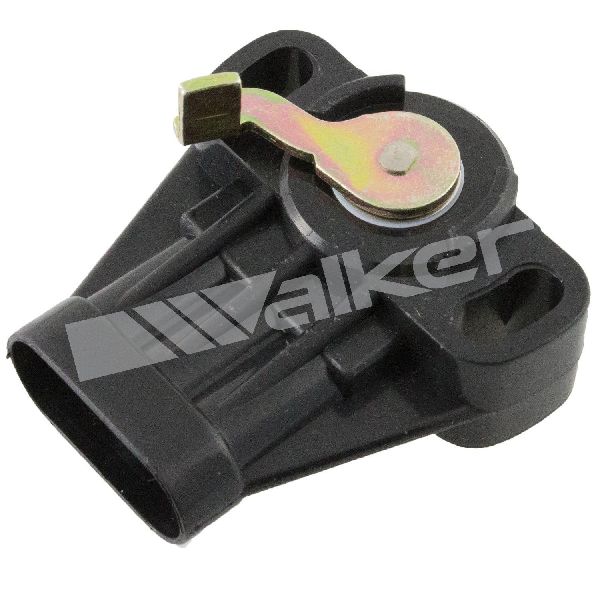
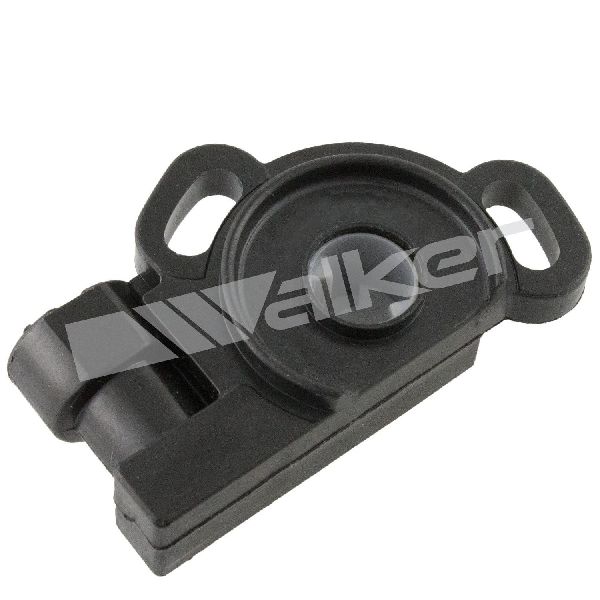
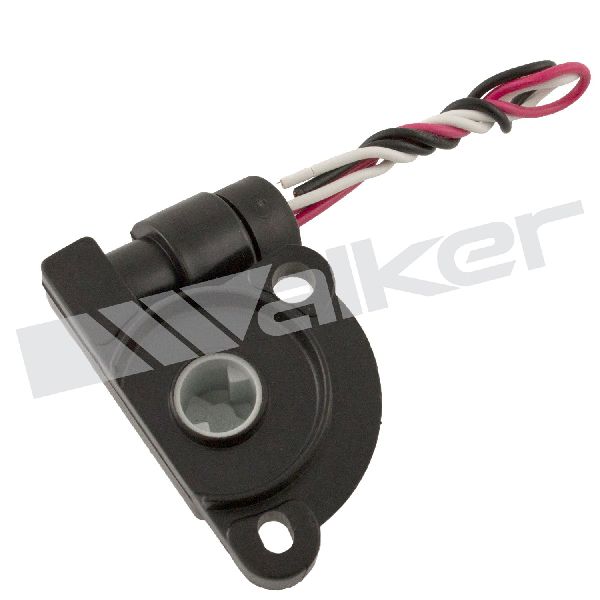
- Walker Products: A long-standing brand in the fuel and engine management space, Walker provides reliable parts that are a good alternative to premium brands.
Tier 3: Economy Brands
These brands focus on providing the lowest possible price point.
- Global Parts, True Tech, Replacement: These brands are typically budget-friendly. While they will function, their long-term reliability and consistency can be a concern compared to higher-tier brands. For a critical sensor like the TPS, spending a little more on a premium brand is often worth the peace of mind.
Cost to Replace a Pontiac 6000 Throttle Position Sensor
Replacing the TPS is an inexpensive repair, especially if you do it yourself. The part itself is affordable, and the labor is minimal.
| Item | Estimated Cost |
|---|---|
| New Aftermarket TPS Part | $24 - $119 |
| Shop Labor | $50 - $100 |
| DIY Total Cost | $24 - $119 |
| Shop Replacement Total | $74 - $219 |
Frequently Asked Questions (FAQ)
Is replacing the TPS on a Pontiac 6000 a difficult job?
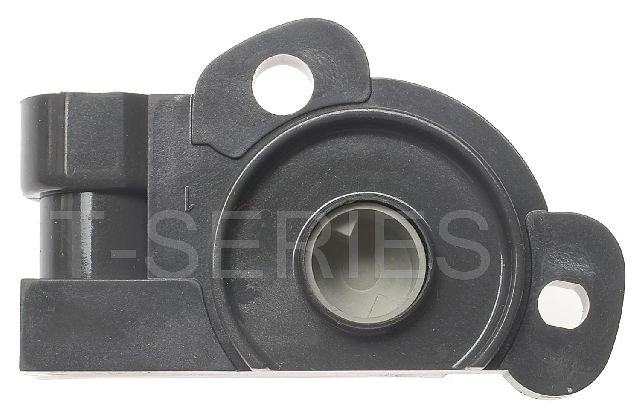
No, this is a very easy DIY job. The sensor is located on the side of the throttle body, held by two screws, and has a single electrical plug. The entire replacement can usually be done in under 30 minutes with basic hand tools like a screwdriver or small socket set.
Do I need to calibrate the new TPS?
Most aftermarket sensors for this vehicle are designed to work without calibration. However, some early GM fuel injection systems benefit from a voltage check at idle. On some similar GM engines of the era, mechanics would sometimes elongate the mounting holes on the sensor slightly to allow for minor rotation to set the idle voltage perfectly (usually around 0.5 volts). For most owners, a direct plug-and-play replacement will work fine. After installation, you can reset the car's computer by disconnecting the battery for about 15 minutes.
Are there any recalls or TSBs for the Pontiac 6000 TPS?
Searches of the NHTSA database and TSB archives did not show any specific recalls or technical service bulletins for the throttle position sensor on the 1982-1991 Pontiac 6000. Any issues with this part are due to normal wear and age.
Should I buy a used OEM sensor from a junkyard?
While possible, it is not recommended. The TPS is a wear item, meaning a used part from a junkyard may have limited life left or could be faulty already. Given the low cost of a new, high-quality aftermarket sensor with a warranty, buying new is the smarter choice.
Technical Specifications
OEM Part Numbers: 17111787 17069534
The Throttle Position Sensor for the Pontiac 6000 is a three-pin potentiometer sensor located on the exterior of the throttle body, typically held by two screws.
We Have This Part in Stock


The information in this article is provided for general reference and educational purposes only. Vehicle specifications, procedures, and part compatibility can vary by production date, trim level, and region. Always consult your vehicle's factory service manual and verify part numbers before purchasing or performing repairs. Safety-critical components such as airbags, seat belts, and braking systems should be installed by a qualified professional.
- Pontiac 6000:
- 🛍️ Shop This Part
- Understanding Throttle Position Sensor Failure in Your Pontiac 6000
- Symptoms of a Bad TPS
- Choosing the Right Aftermarket TPS Brand
- Tier 1: Premium Aftermarket
- Tier 2: Quality Aftermarket
- Tier 3: Economy Brands
- Cost to Replace a Pontiac 6000 Throttle Position Sensor
- Frequently Asked Questions (FAQ)
- 🎟️ Get 5% Off