

A Practical Guide to the 1982-1991 Pontiac Firebird Automatic Transmission Mount
Stop the clunking and vibration by choosing the right new aftermarket mount for your third-gen Firebird.
- A clunk when shifting into gear is the most common sign of a failed mount on a third-gen Firebird.
- For a stock daily driver, a standard rubber replacement from a brand like Anchor or Pioneer is the most practical and comfortable choice.
- For performance applications, a polyurethane mount from Prothane or Lakewood offers durability but will increase cabin vibration.
- This is a simple and inexpensive DIY repair that most owners can perform in their driveway with basic tools.
Symptoms of a Failing Transmission Mount
A bad transmission mount on a third-generation Firebird makes itself known through distinct sounds and feelings. Because these mounts can fail completely, it's important to recognize the signs early. The rubber can crack, collapse from age, or become saturated and softened by leaking oil or transmission fluid.
- Clunking or Banging Noises: The most common symptom is a loud clunk or bang when you shift gears (especially from Park to Drive or Reverse) or during hard acceleration. This is the sound of the transmission lifting and hitting the floor pan because the mount is no longer holding it down.
- Excessive Vibrations: If you feel a new or worsening vibration through the floor or steering wheel, especially at idle or while accelerating, the mount's rubber may have collapsed. It's no longer absorbing the normal vibrations from the drivetrain.
- Shifting Sensation: You might feel the transmission or engine physically move or jerk when you step on the gas or brake suddenly. In some cases, a bad mount can lead to rough or difficult gear shifting because the linkage is out of alignment.
Choosing the Right Aftermarket Mount
For the 1982-1991 Firebird, you have two main choices for aftermarket mounts: standard rubber replacements or performance-oriented polyurethane. Original GM parts are largely unavailable, but the aftermarket offers solid options for every type of owner.
Tier 1: Standard Replacement (Rubber)
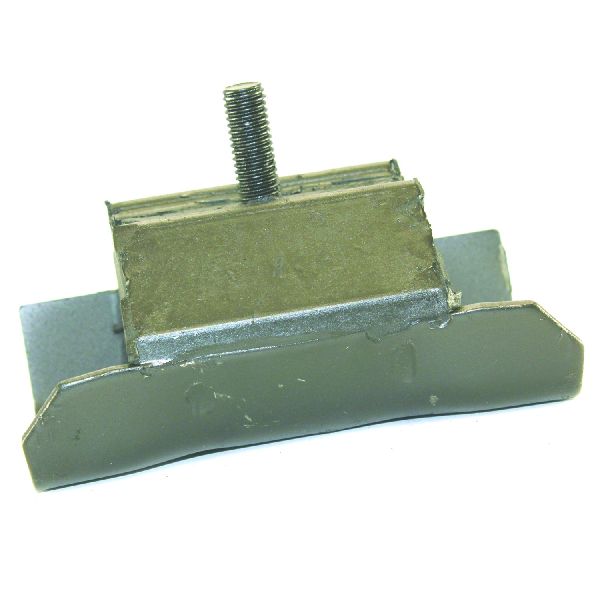
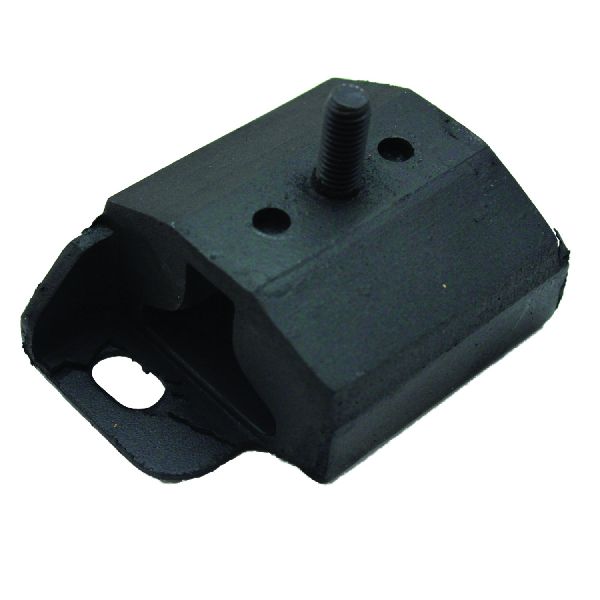
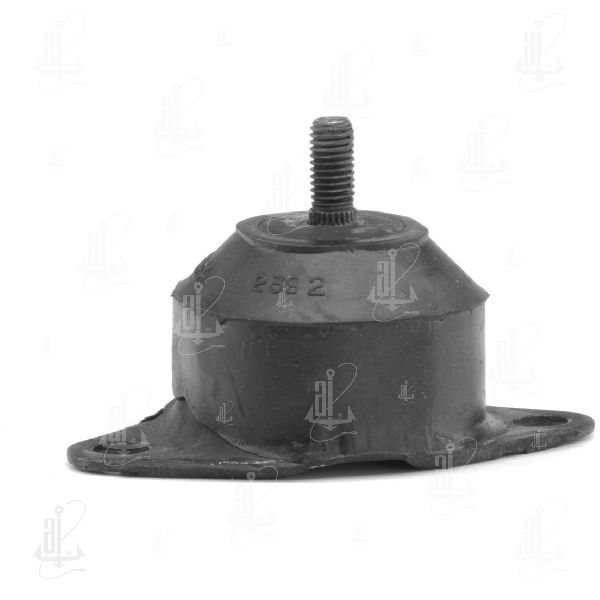
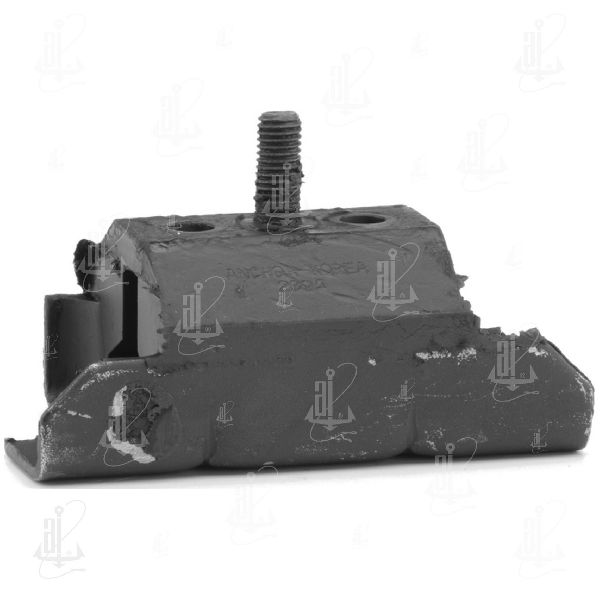
Brands: Anchor, DEA, Pioneer
These brands offer direct, OE-style replacements made from rubber. They are designed to restore the original ride quality and are the most affordable option. They are perfect for daily drivers, restorations, or anyone who prioritizes a smooth, quiet ride over ultimate performance. While some online forums express mixed opinions about the longevity of budget brands like Anchor and DEA compared to original parts, they are readily available and fit for purpose on a stock vehicle. Given the age of the vehicle, these are a very common and practical repair part.
Tier 2: Performance Upgrade (Polyurethane)
Brands: Prothane, Daystar, Lakewood
Polyurethane (often called "poly") mounts are a significant upgrade in durability and performance. The material is much stiffer than rubber and is resistant to oil and chemicals. This type of mount drastically reduces transmission movement, resulting in a tighter feel and better power transfer to the wheels. However, there is a trade-off: polyurethane transmits much more vibration and noise into the cabin. This is a popular upgrade for owners who have modified their engines or who use their Firebird for performance driving, but it is not recommended for those who want to maintain the original, comfortable ride.
Pro Tip: Check Your Engine Mounts Too
The transmission mount works together with the engine mounts to stabilize the entire drivetrain. If your transmission mount has failed, there's a good chance your original engine mounts are also worn out. Replacing them all at the same time is a good practice to ensure proper driveline alignment and prevent the new transmission mount from failing prematurely.
Cost of Replacing a Transmission Mount
| Part / Service | Estimated Cost |
|---|---|
| New Aftermarket (Rubber) | $7.93 - $15.00 |
| New Aftermarket (Polyurethane) | $25.00 - $35.00 |
| Shop Labor | $76 - $112 |
| Total Professional Replacement | $90 - $150 |
Note: Costs are estimates and can vary by location and specific part chosen. The job is simple, so labor should be minimal.
Frequently Asked Questions
Can I replace the transmission mount myself?
Yes, this is a very DIY-friendly job for a 1982-1991 Firebird. The process involves supporting the transmission with a jack, unbolting the crossmember and the old mount, and bolting the new one in place. It typically requires only basic hand tools and can be done in under an hour.
What's the difference between a rubber and a polyurethane mount?
Rubber mounts provide a smooth, quiet ride by absorbing vibrations, similar to the original factory part. Polyurethane mounts are much stiffer, offering better performance and durability by limiting drivetrain movement, but they will noticeably increase the amount of vibration you feel in the car. For a stock daily driver, rubber is usually the best choice.
Is there a difference between V6 and V8 mounts?
For the standard automatic transmission mount on this generation of Firebird, the same part is generally used for both V6 and V8 engines. However, always confirm fitment for your specific year and engine combination before purchasing. Some late-model V6 cars with manual transmissions used a different, hydraulic mount that is not interchangeable.
Are there any recalls for the transmission mount on this Firebird?
No, there have been no specific recalls issued by the NHTSA for the automatic transmission mount on the 1982-1991 Pontiac Firebird.
Technical Specifications
OEM Part Numbers: 22179268
The primary specification difference is the material: rubber for OE-style replacements and polyurethane for performance upgrades. The standard mount design is a single stud through a crossmember.
We Have This Part in Stock


The information in this article is provided for general reference and educational purposes only. Vehicle specifications, procedures, and part compatibility can vary by production date, trim level, and region. Always consult your vehicle's factory service manual and verify part numbers before purchasing or performing repairs. Safety-critical components such as airbags, seat belts, and braking systems should be installed by a qualified professional.
- Pontiac Firebird: