

Engine Coolant Temperature Sensor Guide for 1982-1993 Chevrolet S10
Understand how this small sensor plays a big role in your S10's fuel economy and engine performance.
- A failing ECT sensor commonly causes rich running conditions, leading to poor fuel economy and black smoke.
- Replacement is a simple, low-cost DIY job that most owners can perform in under an hour.
- Choose a quality aftermarket brand like ACDelco, Delphi, or Standard Motor Products for reliability.
- Ensure you are replacing the correct two-wire sensor for the ECM, not the single-wire sender for the gauge.
Symptoms of a Failing Coolant Temperature Sensor
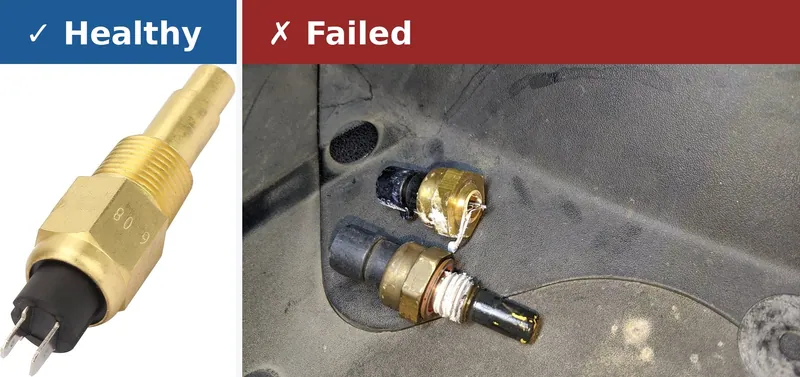
A bad or failing ECT sensor can cause a range of problems, most of which are related to an incorrect fuel mixture. Because the sensor often fails by sending a signal that the engine is perpetually cold, the ECM will continuously supply a rich fuel mixture. This can lead to several noticeable symptoms.
🎬 Watch a breakdown of common symptoms and repair costs.- Poor Fuel Economy: Your truck will use more gas than usual because the engine is running rich.
- Black Smoke from Exhaust: A clear sign of unburnt fuel exiting the tailpipe due to a rich mixture.
- Rough Idle and Stalling: The incorrect air/fuel ratio can make the engine run poorly, especially at idle.
- Check Engine Light: On S10 models with OBD-I diagnostics (typically 1987-1993), a failing sensor can trigger a trouble code, such as Code 14 (high temp indicated/circuit open) or Code 15 (low temp indicated/shorted circuit). 🎬 See how to diagnose a DTC 14 trouble code.
- Inaccurate Temperature Gauge: Many S10s use a separate sensor for the dashboard gauge, but a faulty main ECT sensor can sometimes affect gauge readings or indicate a problem.
Don't Confuse the Sensors
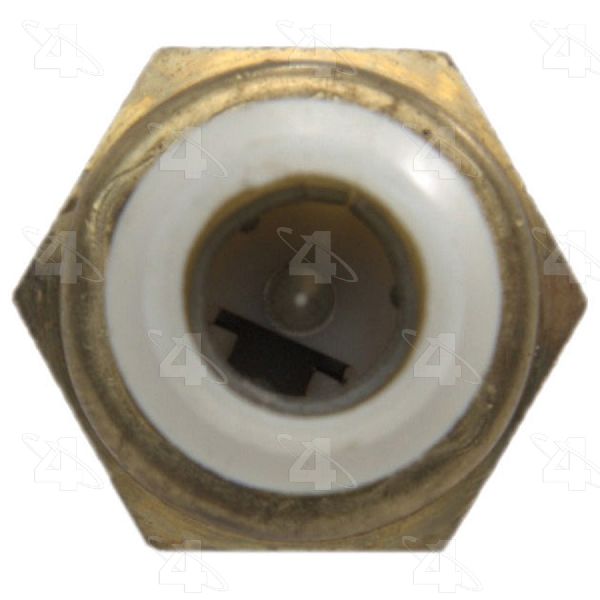
Your S10 may have two different coolant temperature sensors. One is a two-wire sensor for the ECM that controls engine performance, and the other is a single-wire sender for the temperature gauge on your dashboard. The ECM sensor is the one that causes running issues and is typically located on the front of the intake manifold near the thermostat housing.
Choosing the Right Aftermarket Sensor

For a vehicle like the 1982-1993 S10, the original GM parts can be hard to find or expensive. High-quality aftermarket brands offer a reliable and affordable alternative. When choosing a replacement, it's best to stick with reputable manufacturers known for their electronic components.
Brand Quality Tiers
- Tier 1 (OEM Quality): Brands like ACDelco and Delphi are often the original equipment manufacturers for GM. Choosing one of these brands is the closest you can get to the original part's performance and reliability.
- Tier 2 (Reputable Aftermarket): Brands such as NGK, Standard Motor Products (SMP), and Holstein offer a good balance of quality and value. They are well-regarded in the industry and produce reliable sensors that meet or exceed OE specifications.
- Tier 3 (Value Brands): This category includes various store brands and other lower-cost options. While they are the most affordable, their long-term reliability and accuracy can be inconsistent. For a critical sensor like the ECT, it's generally recommended to invest in a Tier 1 or Tier 2 brand.
Pro Tip: Many replacement sensors come with a thread sealant already applied to the threads. If your new sensor does not have this, be sure to apply a small amount of Teflon tape or liquid thread sealant to prevent coolant leaks. Do not overtighten the sensor, as it threads into soft aluminum on the intake manifold.
Replacement Cost

Replacing the ECT sensor is an affordable repair. The parts are inexpensive, and the labor is straightforward for a professional or a DIYer.
| Part/Service | Estimated Cost |
|---|---|
| New Aftermarket Sensor | $12 - $41 |
| Shop Labor | $50 - $100 |
| Total Estimated Cost | $62 - $141 |
Frequently Asked Questions

Where is the engine coolant temperature sensor located on my S10?
On most 1982-1993 S10s with the 2.8L or 4.3L V6 engine, the main ECT sensor for the computer is located on the front of the intake manifold, near the thermostat housing. The sensor for the temperature gauge is often located on the side of the cylinder head.
Can I replace the ECT sensor myself?
Yes, this is a very DIY-friendly job. It typically requires basic hand tools like a ratchet and a deep socket (often 19mm or 3/4"). The sensor is easily accessible after removing the air intake tube. The job can usually be completed in under an hour. Remember that some coolant will leak out when you remove the old sensor, so have a drain pan ready.
🎬 Follow this step-by-step guide to swapping your S10 sensor.Is ACDelco the same as a genuine GM part?
ACDelco is the official parts brand for General Motors. While they offer "GM Genuine" parts that are identical to the factory original, they also have a "Professional" line of high-quality aftermarket parts. For an older vehicle, an ACDelco Professional or a Delphi part is considered an excellent OEM-quality replacement.
What happens if I don't replace a bad coolant sensor?
Continuing to drive with a bad ECT sensor will lead to very poor fuel mileage, rough running, and increased emissions. Over time, the excessively rich fuel mixture can damage the oxygen sensor and the catalytic converter, leading to more expensive repairs.
Helpful Videos



Technical Specifications
OEM Part Numbers: 25036979 15326386 12146312 213-928
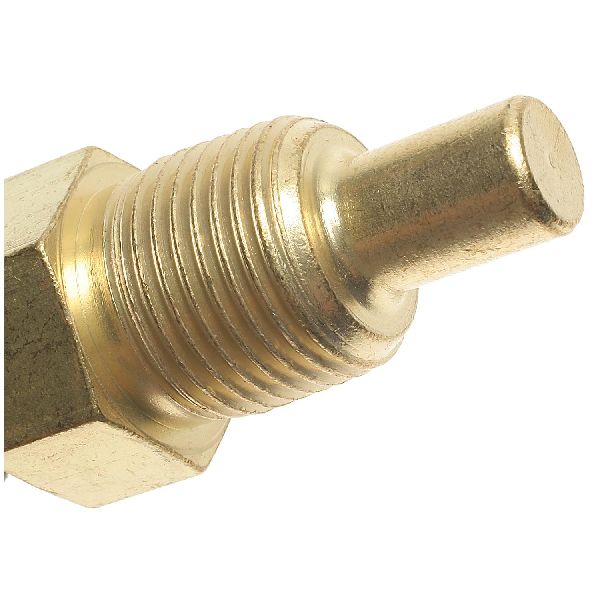
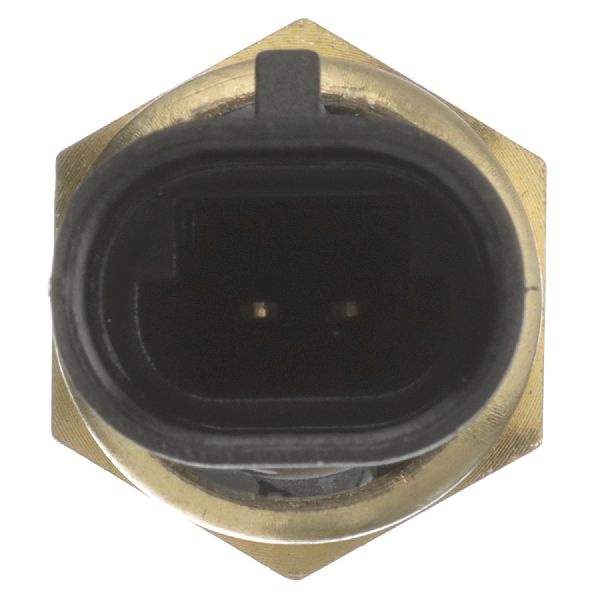
Thread Size: 3/8" - 18 NPTF, Hex Size: 19mm (3/4"), Connector: 2-pin
We Have This Part in Stock



The information in this article is provided for general reference and educational purposes only. Vehicle specifications, procedures, and part compatibility can vary by production date, trim level, and region. Always consult your vehicle's factory service manual and verify part numbers before purchasing or performing repairs. Safety-critical components such as airbags, seat belts, and braking systems should be installed by a qualified professional.
- Chevrolet S10: