

Chevrolet Cavalier Oxygen Sensor Guide for 1982-1994 Models
Everything you need to know about replacing the oxygen sensor on your first or second-generation Cavalier.
- A bad oxygen sensor will trigger a Check Engine Light (usually Code 13) and cause poor fuel economy and rough running.
- This is a simple DIY job; the main challenge is removing the old, rusted sensor. A special socket is recommended.
- For best results, choose a direct-fit sensor from a quality brand like NGK/NTK or Delphi.
- Ignoring a bad sensor can lead to costly damage to your catalytic converter.
Is Your Cavalier's Oxygen Sensor Failing?
The oxygen sensor in your 1982-1994 Cavalier works in a very hot and harsh environment. Over time, it will wear out. When it fails, your car's computer can't get the right information to control the fuel mixture. This can cause several noticeable problems.
Common Symptoms of a Bad O2 Sensor
- Check Engine Light: On these older Cavaliers, a failing O2 sensor is a common reason for the 'Service Engine Soon' or 'Check Engine' light to come on. The most frequent error is OBD-1 Code 13, which points to a problem with the oxygen sensor circuit.
- Poor Fuel Economy: If your sensor is bad, the engine computer may run a rich fuel mixture, meaning it uses more gas than necessary. You'll notice you're filling up your tank more often.
- Rough Idle or Misfires: An incorrect air/fuel mixture can make your engine run poorly, especially at idle or low speeds. It might feel shaky or you may notice the engine stumbling.
- Failed Emissions Test: An O2 sensor is essential for controlling emissions. If it's not working, your car will likely fail a smog test.
- Bad Smell: A very rich fuel mixture can cause a 'rotten egg' smell from the exhaust, which is a sign of a failing sensor or a damaged catalytic converter.
Don't Ignore a Bad O2 Sensor
Driving with a bad oxygen sensor can cause long-term damage. Running on a rich fuel mixture for too long can overheat and destroy your catalytic converter, which is a much more expensive part to replace.
Choosing the Right Aftermarket Oxygen Sensor
For a vehicle as old as the 1982-1994 Cavalier, original GM parts can be hard to find or very expensive. Thankfully, many aftermarket brands provide high-quality replacements. Not all brands are equal, so it's important to choose wisely.
Brand Quality Tiers
Based on owner feedback and mechanic recommendations, aftermarket brands for your Cavalier can be grouped into tiers:
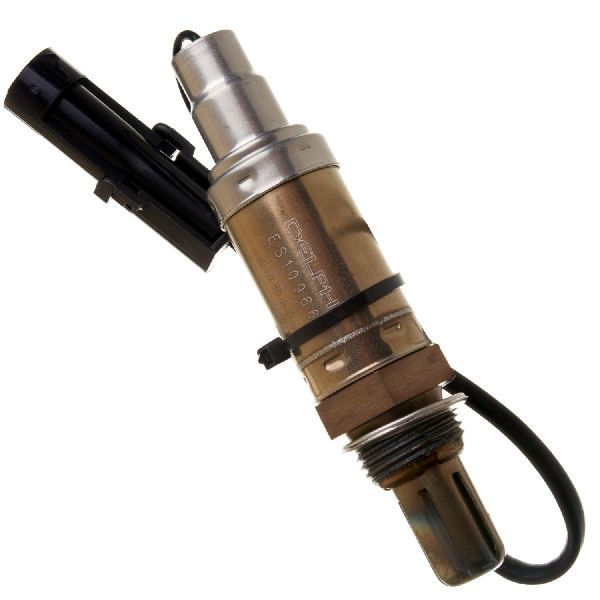
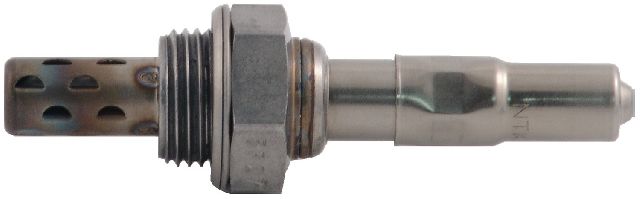
- Premium Tier (OEM Quality): Brands like NGK (also sold as NTK) and Delphi are often considered the best choice. NGK/NTK is a major supplier of oxygen sensors to car manufacturers worldwide, and their quality is highly respected. Delphi has long been associated with GM and is generally a reliable option.
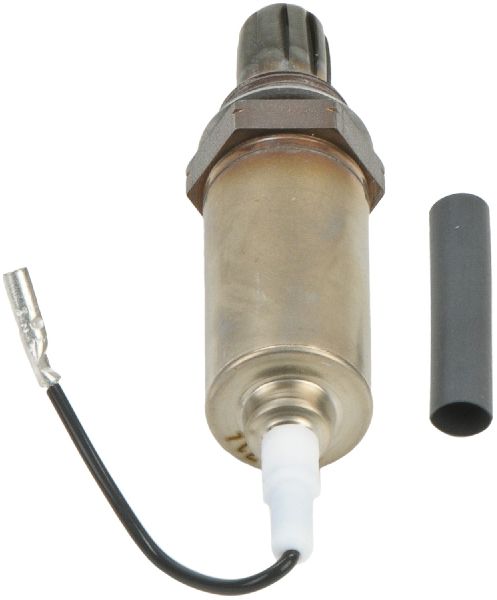
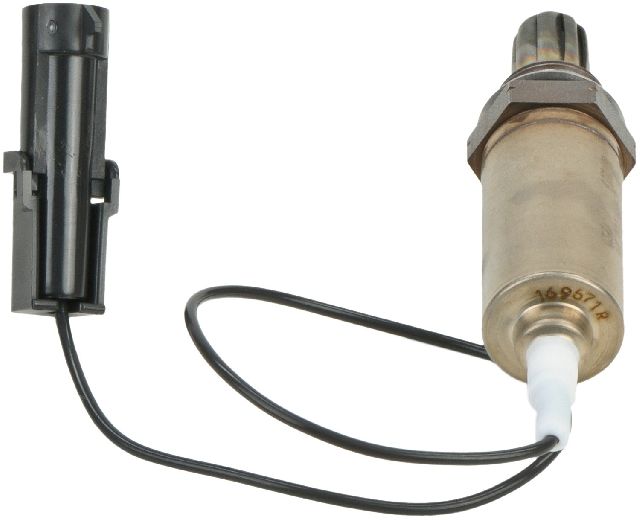
- Standard Tier (Good Value): Bosch is a well-known brand that invented the oxygen sensor. However, reviews are mixed for GM vehicles; some owners report driveability issues, while others have no problems. It's a decent choice but may not be as perfectly matched as NGK or Delphi for your Cavalier.
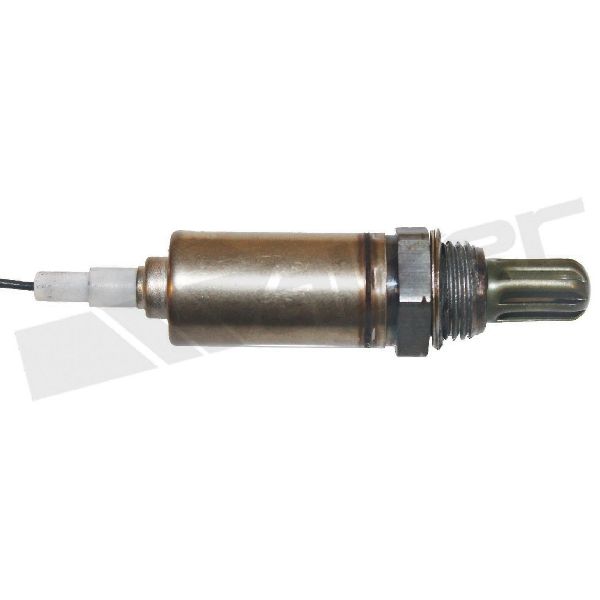
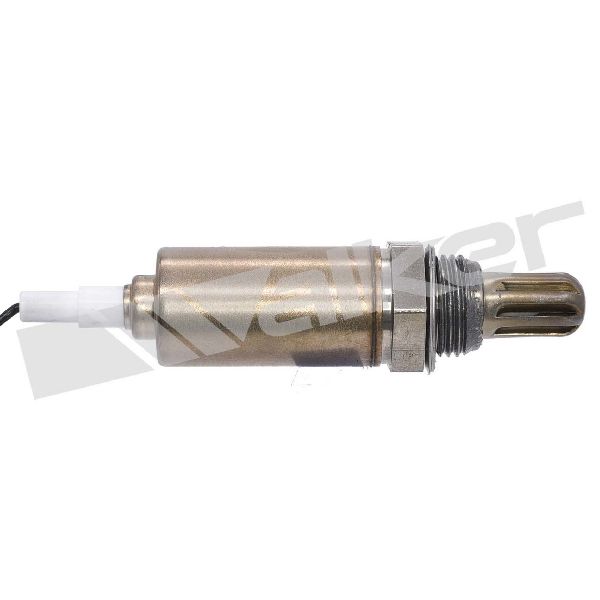
- Economy Tier (Budget Options): Brands like Walker Products and DriveWire fall into the budget category. While they are the most affordable, their performance and lifespan can be inconsistent. Some mechanics advise against them for anything other than a temporary fix.
Pro Tip: Get a Direct-Fit Sensor
Always choose a 'direct-fit' sensor. These come with the correct electrical plug for your car, making installation simple. Avoid 'universal' sensors that require you to cut and splice wires. An improper connection can cause the new sensor to fail.
Expected Costs for Replacement
The cost is broken down into the part itself and the labor to install it. This is a job many DIY mechanics can handle at home.
| Item | Estimated Cost |
|---|---|
| New Aftermarket Oxygen Sensor | $28 - $50 |
| Shop Labor | $60 - $120 |
| Total Professional Installation | $88 - $170 |
Frequently Asked Questions (FAQ)
How many oxygen sensors does my 1982-1994 Cavalier have?
Most Cavaliers from this era have only one oxygen sensor. It is located 'upstream,' which means it's in the exhaust manifold before the catalytic converter.
Can I replace the oxygen sensor myself?
Yes, this is a very DIY-friendly job. The main challenge is often the old sensor being rusted in place. You will need a special oxygen sensor socket, a ratchet, and some penetrating oil to loosen the old sensor.
What is OBD-1 Code 13?
Code 13 is the diagnostic trouble code your Cavalier's computer will store for an oxygen sensor circuit problem. It means the computer is not receiving the signal it expects from the sensor, usually because the sensor is old, contaminated, or has a wiring issue.
Are there any recalls for the oxygen sensor on my Cavalier?
No, there are no specific recalls or Technical Service Bulletins (TSBs) from GM or the NHTSA for the oxygen sensor on the 1982-1994 Chevrolet Cavalier.
Should I use anti-seize on the new sensor?
Yes, but most new oxygen sensors come with anti-seize compound already applied to the threads. Check your new part; if it has a silver coating on the threads, you don't need to add more. Be careful not to get any anti-seize on the sensor tip itself, as this will ruin it.
Technical Specifications
Your Cavalier uses a single, upstream oxygen sensor located in the exhaust manifold. Early models may use a 1-wire unheated sensor, while later models may have a heated (3 or 4-wire) sensor. Ensure you purchase the correct direct-fit model for your specific year and engine.
We Have This Part in Stock

The information in this article is provided for general reference and educational purposes only. Vehicle specifications, procedures, and part compatibility can vary by production date, trim level, and region. Always consult your vehicle's factory service manual and verify part numbers before purchasing or performing repairs. Safety-critical components such as airbags, seat belts, and braking systems should be installed by a qualified professional.
- Chevrolet Cavalier: