

Chevrolet S10 Horn Guide: Diagnosing and Replacing (1982-1997)
If your S10's horn has gone silent or sounds weak, this guide will help you find the problem and choose the right replacement part.
- Always diagnose the circuit first; the problem is often a simple fuse or relay, not the horn itself.
- Aftermarket horns from brands like Standard Ignition are a reliable and cost-effective solution for this truck.
- The horn's location differs between the first (1982-93) and second (1994-97) generations.
- Replacing the horn unit is an easy, beginner-friendly job once you can access it.
Is It Really a Bad Horn?
Before you buy a new horn, it's important to make sure the horn itself is the problem. More often than not, the issue lies somewhere else in the electrical circuit. A horn that doesn't work at all is rarely caused by the horn failing. Here’s a quick troubleshooting guide:
- Check the Fuse: The first and easiest thing to check is the horn fuse. It is usually located in the fuse box under the hood. A blown fuse is a common cause for a dead horn.
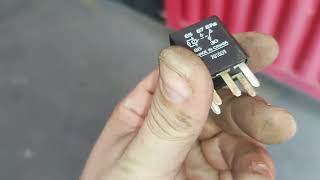
- Test the Relay: The horn relay is another common failure point. You can test it by swapping it with an identical relay from a non-essential system in the same fuse box, like the fog lamps. 🎬 Watch this video to help you locate the horn relay. If the horn works with the swapped relay, you've found your problem.
- Check for Power: If the fuse and relay are good, the problem could be a bad ground connection or a break in the wiring. The horn needs a solid ground to the truck's chassis to work. You can use a multimeter to check for 12-volt power at the horn's electrical connector when a friend presses the horn button. If you have power, the horn itself has likely failed.
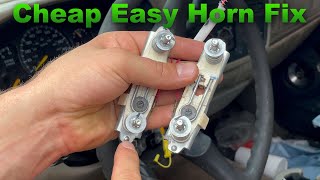
- Steering Column Issues: Especially on older trucks, the electrical contacts inside the steering wheel 🎬 See how to repair the horn button on first generation trucks. can become worn or dirty, leading to an intermittent or non-working horn.
Signs of a Failing Horn
While circuit issues are common, the horn unit can fail. Symptoms of a bad horn include a weak or distorted sound, or the horn not working at all even when you've confirmed the rest of the circuit is good.
Generation Differences: Horn Location
Where you find the horn depends on your S10's year:
- First Generation (1982-1993): The horn is typically mounted in the engine bay on the driver's side, either on the fender or the radiator core support.
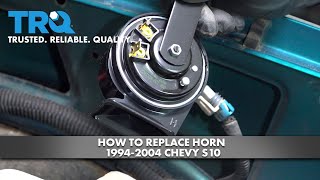
- Second Generation (1994-1997): The horn is usually located behind the grille or front bumper. Access may require removing the air filter box or the headlight assembly. 🎬 Watch this step-by-step guide to replacing your second generation horn.
Choosing the Right Aftermarket Horn
Once you've confirmed the horn itself is dead, you have a few choices for replacement. For a vehicle like the 1982-1997 S10, aftermarket parts offer excellent value and are readily available.
- Standard Ignition: This is a well-regarded aftermarket brand known for producing parts that meet or exceed original equipment (OE) specifications. A Standard Ignition horn is a reliable, direct-fit choice that should provide a long service life and a factory-correct sound.
- Replacement Brand: This category refers to various value-oriented brands. These horns are designed to be a cost-effective solution. While they may not have the same brand recognition as Standard Ignition, they are functional, direct-fit parts that will get your horn working again.
OEM vs. Aftermarket quality for this part is not a major concern. An aftermarket horn from a reputable brand like Standard Ignition is a perfectly acceptable and cost-effective repair. Given the age of the vehicle, finding a new OEM horn from a dealer is unlikely and not necessary for a quality repair.
| Part Type | Estimated Cost |
|---|---|
| New Aftermarket (Replacement/Standard Ignition) | $35 - $58 |
| New OEM (ACDelco) | $45 - $60 |
| Used OEM | $20 - $45 |
Pro Tip: High and Low Notes
Many vehicles, including some S10s, use a dual-horn system with a high-note and a low-note horn working in tandem. If your truck has two horns, it's a good idea to replace them as a pair to ensure a proper, full sound.
Frequently Asked Questions (FAQ)
Can I drive my S10 without a working horn?
While the truck will operate, driving without a functional horn is a safety risk. In many states, a working horn is required to pass a vehicle safety inspection. It is strongly recommended to fix the issue as soon as possible.
Is replacing the horn on my S10 a difficult job?
No, replacing the horn unit itself is very easy. It's usually held on by a single bolt and has one electrical plug. The difficulty rating is 1 out of 5. The hardest part is simply accessing it, which might involve moving a few other components in the engine bay.
My horn works, but only when I turn the steering wheel. What's wrong?
This is a classic sign of a problem with the wiring or contacts inside the steering column, not the horn itself. The constant turning of the wheel can cause wires to fray or contacts to wear out over time.
Were there any recalls for the horn on the 1982-1997 S10?
Based on extensive searches of the NHTSA database and other public records, there are no specific safety recalls or technical service bulletins (TSBs) for the horn on this generation of Chevrolet S10.
Helpful Videos
Technical Specifications
OEM Part Numbers: 12368064
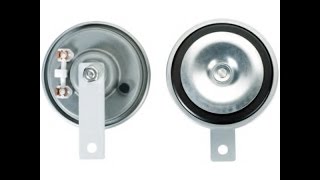
Voltage: 12V. Connection: Single or dual terminal plug. Type: Disc horn, may have high and low note variants.
We Have This Part in Stock


The information in this article is provided for general reference and educational purposes only. Vehicle specifications, procedures, and part compatibility can vary by production date, trim level, and region. Always consult your vehicle's factory service manual and verify part numbers before purchasing or performing repairs. Safety-critical components such as airbags, seat belts, and braking systems should be installed by a qualified professional.
- Chevrolet S10: