

Suspension Stabilizer Bar Link Kit Guide for 1982-2002 Pontiac Firebird
Restore your Firebird's sharp handling and get rid of clunking noises by choosing the right stabilizer link kit.
- The most common sign of failure is a clunking noise from the front or rear suspension when going over bumps.
- Verify your Firebird's year; 3rd Gen (1982-92) and 4th Gen (1993-02) models use different link kits.
- Aftermarket brands like Moog, Mevotech, and Nolathane often offer stronger, more durable designs than the original parts.
- Replacing links in pairs (both front or both rear) is essential for balanced and safe handling.
Is Your Firebird Making Clunking Noises?
A common issue with the 1982-2002 Pontiac Firebird is the failure of the suspension stabilizer bar links. These parts are critical for handling, but the original designs can wear out. You'll often hear a distinct clunking or knocking sound, especially when driving over bumps or uneven roads. Other signs include a feeling of looseness in the steering, excessive body roll in turns, and a general sense of instability at higher speeds. In some cases, you might even notice uneven tire wear as the suspension struggles to keep the tires planted correctly.
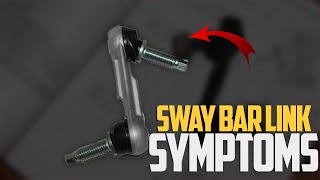
🎬 Watch this video to identify common bad sway bar symptoms.Generation-Specific Parts: A Common Mistake
The 1982-1992 (Third Generation) and 1993-2002 (Fourth Generation) Firebirds use different stabilizer link designs. The front links, in particular, are not interchangeable. Always verify the year of your Firebird before ordering to ensure you get the correct parts for your specific generation.
Choosing the Right Aftermarket Link Kit
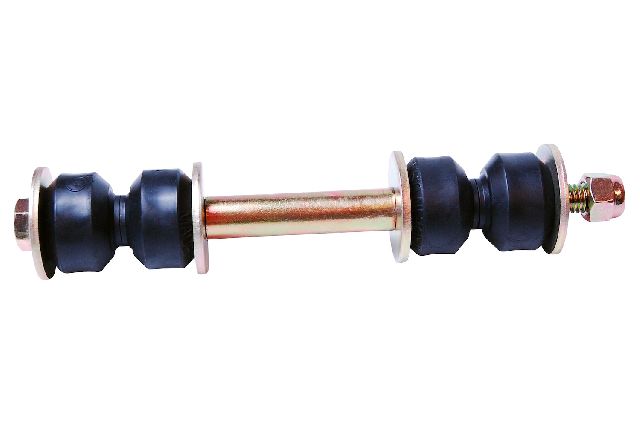
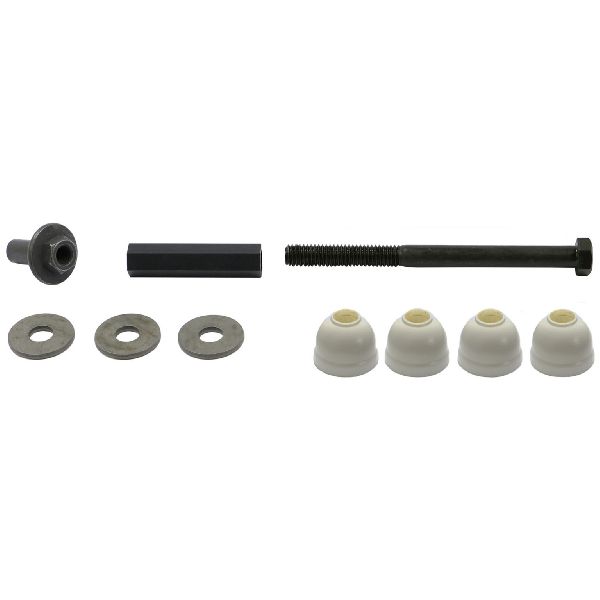
For a vehicle like the Firebird, aftermarket parts are not only common but often an upgrade over the original factory components. Many aftermarket brands offer designs that are beefier, use stronger materials, and sometimes include features like grease fittings for a longer service life. Original GM parts may be difficult to find or expensive, making high-quality aftermarket options the practical choice.
Brand Quality Tiers
Not all aftermarket brands are created equal. Here’s a breakdown of available brands to help you choose:
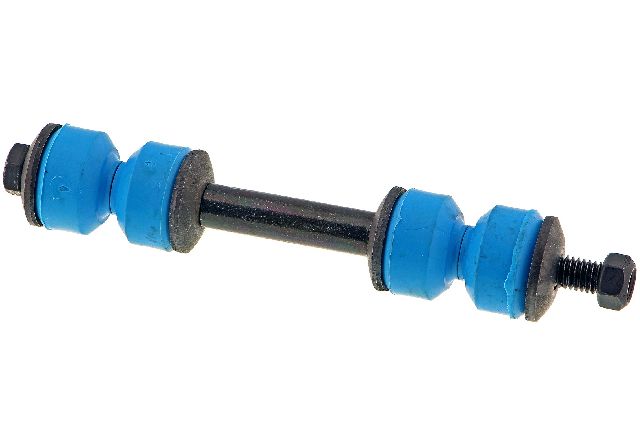
- Performance & Heavy-Duty (Moog, Mevotech Supreme, Nolathane): Brands like Moog and Mevotech's "Supreme" line are well-regarded for being more robust than original parts, often featuring thicker construction and greaseable joints for maintenance. Nolathane specializes in polyurethane bushings, which provide a stiffer, more performance-oriented feel compared to rubber, reducing suspension flex during hard cornering. These are excellent choices for owners who prioritize handling and durability.
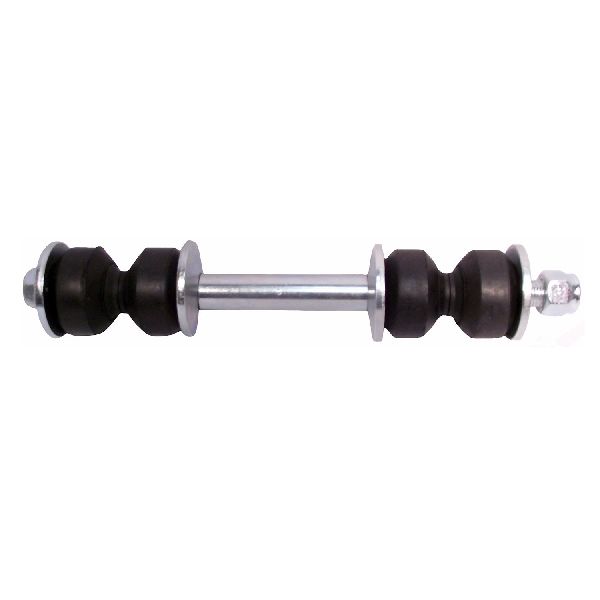
- Standard Replacement (Delphi, QuickSteer, Dorman): These brands offer reliable, direct-fit replacements that meet or exceed original equipment specifications. Dorman, for example, provides OE Solutions kits that are designed to be a straightforward replacement for the factory parts, sometimes with improvements like solid-bar construction instead of hollow. These are ideal for daily drivers needing to restore original handling and get rid of noise.
Pro Tip: Replace in Pairs
It is always recommended to replace stabilizer bar links in pairs (both front or both rear). If one side has failed, the other is likely not far behind. Replacing both at the same time ensures balanced handling and predictable performance from your suspension.
| Brand Tier | Estimated Price (per kit) |
|---|---|
| Standard Replacement (e.g., Dorman, QuickSteer) | $5 - $20 |
| Heavy-Duty / Performance (e.g., Moog, Mevotech, Nolathane) | $20 - $35 |
Prices are estimates and can vary by retailer and specific part number.
Frequently Asked Questions (FAQ)
Do I need a front or rear kit?
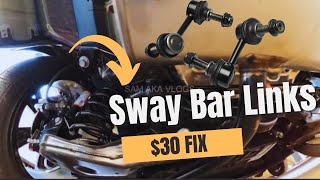
Your Firebird has stabilizer links on both the front and rear suspension. The clunking noise's location should help you diagnose which pair needs replacement. 🎬 Learn how to replace your car's rear sway bar links. Front link failures are very common. It's best to inspect all four links to see which ones have play or damage.
What is the difference between rubber and polyurethane bushings?
Most standard kits use rubber bushings, like the original parts, which provide a comfortable ride. Performance-oriented brands like Nolathane use polyurethane, a harder material that reduces flex for sharper handling and better feedback, but can sometimes make the ride slightly firmer.
Are there any recalls or TSBs for my Firebird's stabilizer links?
No specific recalls for the stabilizer bar links on the 1982-2002 Firebird were found. However, a general Technical Service Bulletin (TSB) for a "rear suspension clunk noise" was issued for some model years, which could be related to worn end links. The failure of these parts is a well-documented common wear-and-tear issue.
Is this a difficult part to install myself?
For a DIY mechanic with basic tools, replacing stabilizer bar links is a very achievable job. It typically involves removing the wheel, unbolting the old link from the sway bar and control arm, and installing the new one. The most common difficulty is the old nuts being rusted, so having penetrating fluid on hand is recommended.
Helpful Videos
Technical Specifications
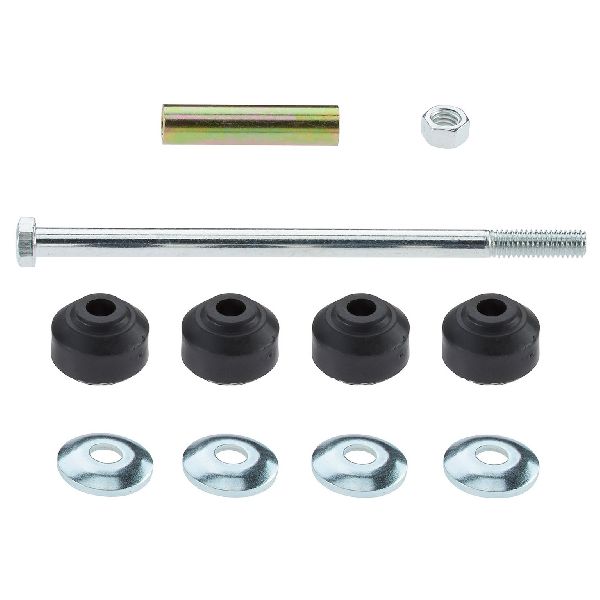
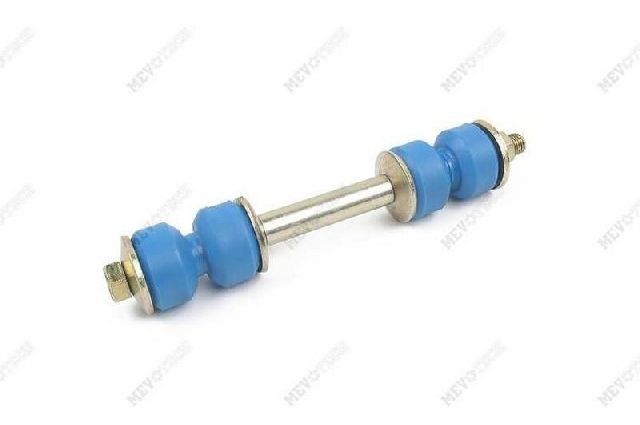
Designs vary between 3rd Generation (1982-1992) and 4th Generation (1993-2002) models. Front links are typically a 'bolt and bushing' style on 3rd Gen and a ball-joint style on 4th Gen. Rear links are similar across most years. Bushing material can be standard rubber or performance polyurethane.
We Have This Part in Stock

The information in this article is provided for general reference and educational purposes only. Vehicle specifications, procedures, and part compatibility can vary by production date, trim level, and region. Always consult your vehicle's factory service manual and verify part numbers before purchasing or performing repairs. Safety-critical components such as airbags, seat belts, and braking systems should be installed by a qualified professional.
- Pontiac Firebird: