

Chrysler E Class HVAC Heater Hose Guide for 1983-1984 Models
Keep your classic Chrysler's heat working and prevent engine damage by understanding when to replace your heater hoses.
- Heater hose failure on a 40-year-old vehicle is due to age; proactive replacement is wise.
- Symptoms include coolant leaks, a sweet smell, no cabin heat, and potential engine overheating.
- Always replace both heater hoses and the clamps at the same time for a reliable repair.
- Quality aftermarket brands like Gates, Dayco, and Continental are the standard choice, as OEM parts are unavailable.
Signs of a Failing Heater Hose
On a classic vehicle like the E Class, rubber parts are often the first to go. Decades of heat cycles and exposure to chemicals cause heater hoses to degrade from the inside out. It's not a matter of if they will fail, but when. Catching the signs early can save you from being stranded.
- Coolant Leaks: This is the most obvious symptom. You may find puddles of green or orange fluid under your car, particularly near the passenger-side firewall where the hoses connect.
- Sweet Smell: A distinct, sweet, syrupy smell inside or outside the vehicle is a sure sign of leaking antifreeze (coolant).
- Visible Hose Damage: Regularly inspect the hoses. Look for any cracks, splits, bulges, or sections that feel unusually hard, brittle, or mushy.
- No Heat in Cabin: If a hose is clogged or has a major leak, not enough hot coolant will reach the heater core, leaving you with cold air from the vents.
- Engine Overheating: A significant leak will cause your coolant level to drop, leading to the engine's temperature gauge climbing into the red. This is a critical situation that can cause severe engine damage.
Overheating Risk
A leaking heater hose can quickly lead to engine overheating. If you see the temperature gauge rising, pull over as soon as it is safe and shut off the engine to prevent catastrophic damage.
Choosing the Right Aftermarket Heater Hose
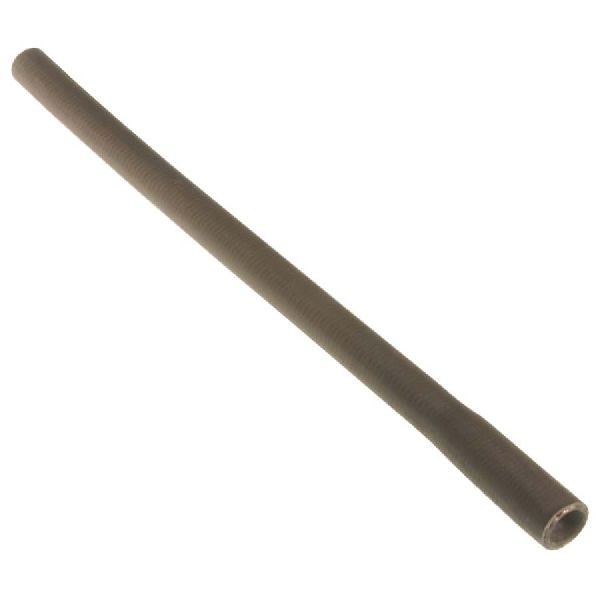
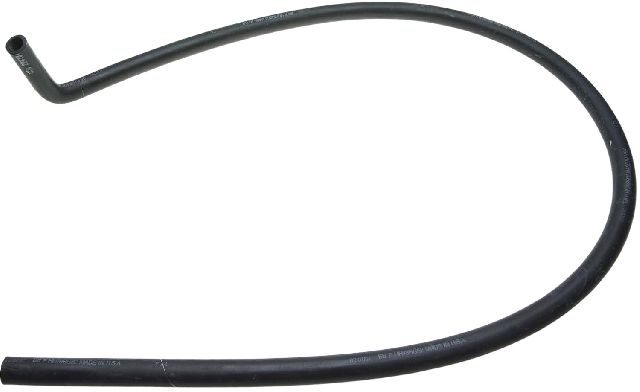
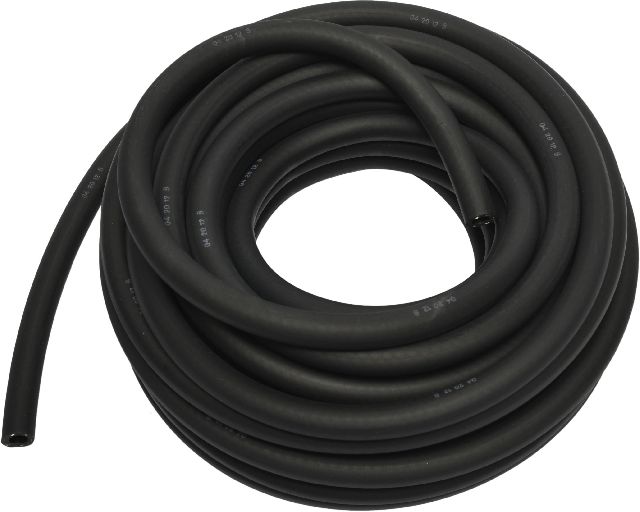
For a vehicle from the 1980s, finding original Mopar "New Old Stock" (NOS) hoses is highly unlikely and often not the best choice, as rubber degrades over time even in storage. Modern aftermarket hoses are made from superior materials like EPDM rubber, which offers better resistance to heat and chemicals than the original parts. Brands like Continental, Dayco, and Gates are all reputable manufacturers of aftermarket hoses.
- Good (Standard Replacement): Dayco is a well-known brand that produces reliable replacement hoses. Some users find them to be a good value.
- Better (OEM Supplier Quality): Continental and Gates are often considered to be of higher quality, with some mechanics preferring their fit and material feel. Forum discussions often show a slight preference for Gates due to consistent fitment, though all three brands are considered solid choices for this application.
Pro Tip: Always replace heater hoses in pairs (inlet and outlet). They have been exposed to the same age and conditions. It's also crucial to use new hose clamps to ensure a tight, leak-free seal.
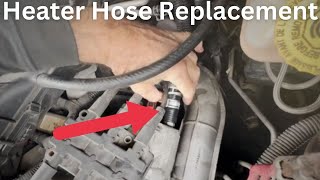
🎬 See a demonstration of heater hose replacement on similar Chrysler models.Estimated Replacement Costs
Replacing a heater hose on a 1983-1984 E Class is a relatively inexpensive repair, especially if you do it yourself.
| Part or Service | Estimated Cost |
|---|---|
| New Aftermarket Heater Hose (Set of 2) | $20.10 - $81.22 |
| Shop Labor | $100 - $200 |
| Total Estimated Cost (DIY) | $20.10 - $81.22 |
| Total Estimated Cost (Professional) | $120.10 - $281.22 |
Frequently Asked Questions (FAQ)
How many heater hoses does my 1983-84 Chrysler E Class have?
Your vehicle has two main heater hoses: an inlet hose that brings hot coolant to the heater core and an outlet hose that returns it to the engine. They should always be replaced together.
Is replacing a heater hose a difficult job?
No, for a vehicle from this era, it is a straightforward job for a DIYer with basic tools. The process involves partially draining the coolant, removing the hose clamps, swapping the hoses, and then refilling and bleeding the air from the cooling system.
🎬 Watch this step-by-step guide on how to replace heater core hoses.What type of coolant should I use in my E Class?
For this vintage of Chrysler, a conventional "green" IAT (Inorganic Acid Technology) antifreeze is generally the correct type. Always check the antifreeze manufacturer's specifications to ensure it is compatible with older, mixed-metal cooling systems. Using the wrong coolant can cause corrosion.
Do I need any special tools?
Generally, no. You will need basic hand tools like a screwdriver or socket set for the clamps, pliers, and a drain pan. A pair of hose clamp pliers can make removing the original spring-style clamps much easier.
Are there any recalls or TSBs for the heater hoses?
Searches of the NHTSA database and for Technical Service Bulletins (TSBs) did not reveal any specific recalls or service bulletins related to the HVAC heater hoses for the 1983-1984 Chrysler E Class. Any issues today are due to the age of the components.
Helpful Videos

Technical Specifications
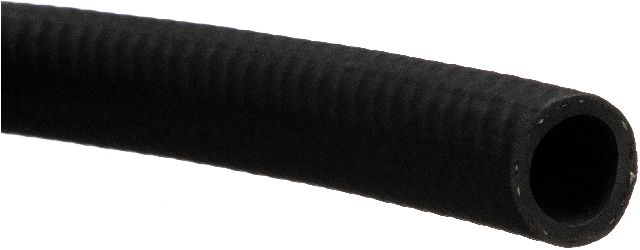
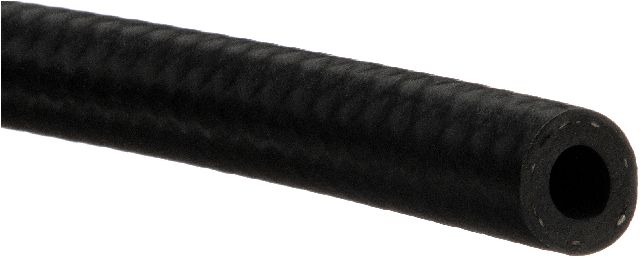
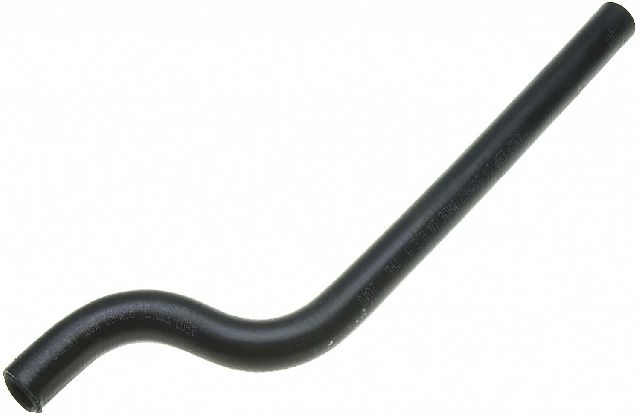
The 1983-1984 Chrysler E Class uses two primary heater hoses, an inlet and an outlet. One hose connects from the heater core to the water pump. The other connects from the heater core to another point on the engine, typically the thermostat housing or intake manifold. Hoses are made of EPDM rubber and must be the correct diameter and length for proper fitment.
We Have This Part in Stock

The information in this article is provided for general reference and educational purposes only. Vehicle specifications, procedures, and part compatibility can vary by production date, trim level, and region. Always consult your vehicle's factory service manual and verify part numbers before purchasing or performing repairs. Safety-critical components such as airbags, seat belts, and braking systems should be installed by a qualified professional.
- Chrysler E Class: