

Your Guide to the 1983-1984 Chrysler E Class Secondary Air Injection Pump Check Valve
Understand this critical emissions part to keep your classic E Class running clean and prevent damage.
- A bad check valve can cause a failed emissions test or lead to costly damage to the air pump.
- This is a simple, DIY-friendly repair that requires basic tools and about 30 minutes.
- OEM parts are unavailable; new aftermarket parts from brands like Standard Ignition are the recommended solution.
- Symptoms include failed smog tests, melted hoses near the exhaust, or a loud whining noise from the air pump on cold starts.
Understanding the AIR System in Your Chrysler E Class
On your 1983-1984 Chrysler E Class, the Secondary Air Injection (AIR) system plays a simple but important role. When you start the car cold, a pump sends air into the exhaust. This helps burn off excess fuel in the exhaust, which cleans up emissions. The check valve is a key part of this system. It's a one-way door that lets air go into the hot exhaust but stops exhaust from coming back and melting the air pump or its hoses. A failure in this valve can lead to other, more expensive repairs.
Symptoms of a Failing Check Valve
A bad check valve can cause a few noticeable problems. Since these cars are from the pre-OBDII era, you won't get a specific error code on a modern scanner, so you have to rely on physical symptoms.
- Failed Emissions Test: If the valve is stuck closed, it blocks air from entering the exhaust. This increases emissions and can cause your car to fail a smog test.
- Damaged AIR Pump or Hoses: If the valve sticks open, hot exhaust can travel backward. This can melt the rubber hoses or destroy the internal parts of the AIR pump itself, leading to a much costlier repair.
- Exhaust Odors: A leak in or around the valve can sometimes allow exhaust fumes to escape, which you might notice when the vehicle is idling.
- Loud Pump Noise: While often a sign of a failing pump, a bad check valve can cause the pump to be damaged by hot exhaust, leading to whining or grinding noises on a cold start.
A Note on Check Engine Lights
While a failing check valve can trigger a check engine light on modern cars, it's less common on a vehicle from this era. Diagnosis on an '83-'84 E Class relies more on inspecting the part and observing symptoms like a failed emissions test or physical damage to hoses.
Choosing the Right Aftermarket Check Valve
Original Equipment (OEM) parts for this vehicle are long discontinued. Your only realistic option is a new aftermarket part. Fortunately, this is a simple component, and reputable aftermarket brands offer reliable replacements.
- Standard Ignition (SMP): Generally considered a top-tier aftermarket brand, Standard often manufactures parts to meet or exceed original specifications. Their check valves are typically made from durable materials like steel alloys and are a trusted choice for reliability.
- True Tech: Often positioned as a more budget-friendly option, True Tech provides functional replacements that can be a good choice for a vehicle that sees limited use. Customer reviews for the brand are generally positive, often highlighting honesty and value.
Pro Tip: For a simple, non-critical emissions part on a classic car, either brand is likely sufficient. However, if you use the vehicle regularly or live in an area with strict emissions testing, investing in the higher-quality construction of a brand like Standard Ignition is a wise choice for long-term peace of mind.
Replacement Cost Comparison
| Part Type | Estimated Cost |
|---|---|
| New Aftermarket Part | $28.29 - $39.85 |
| Shop Labor | $90 - $150 |
| New OEM Part | Not Available |
| Used OEM Part | Not Recommended (High risk of failure) |
Frequently Asked Questions (FAQ)
Can I test the check valve myself?
Yes. Once you locate the valve, disconnect the hose from the air pump side. With the engine off and cool, try to blow air through it from the pump side. Air should pass through. Then, try to suck air back through it (or use a hand vacuum pump). It should hold the vacuum and not allow air to flow backward. If it fails either of these tests, it needs replacement.
Is this a difficult part to replace?
No, this is generally a very easy repair for a DIY mechanic. It typically involves loosening a hose clamp and unscrewing the valve from the exhaust pipe or manifold. Access can sometimes be tight, but it requires only basic hand tools.
What happens if I don't replace it?
If the valve is stuck closed, you will likely fail an emissions test. If it's stuck open, you will eventually destroy the air pump and connecting hoses due to heat from the exhaust, leading to a more expensive repair.
Is this the same as a diverter valve?
No. The check valve is a simple one-way valve. The diverter valve (or combination valve) is a more complex component that directs the airflow from the pump, sometimes to the atmosphere during deceleration to prevent backfiring. The check valve specifically prevents exhaust backflow.
Technical Specifications
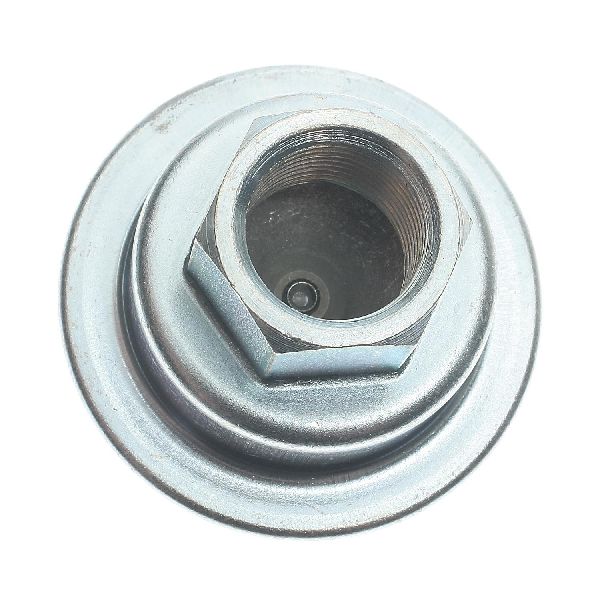
A one-way valve, typically threaded, that allows air from the secondary air injection pump to enter the exhaust system without allowing exhaust gases to flow back.
We Have This Part in Stock


The information in this article is provided for general reference and educational purposes only. Vehicle specifications, procedures, and part compatibility can vary by production date, trim level, and region. Always consult your vehicle's factory service manual and verify part numbers before purchasing or performing repairs. Safety-critical components such as airbags, seat belts, and braking systems should be installed by a qualified professional.
- Chrysler E Class: