

Chrysler E Class Spark Plug Replacement and Upgrade Guide (1983-1984)
Keep your classic Chrysler running smoothly with the right set of new spark plugs.
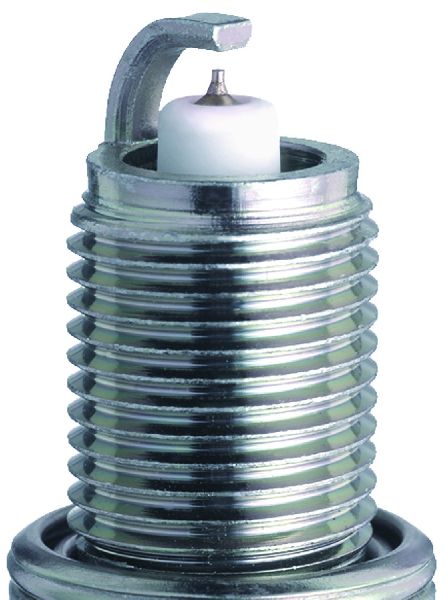
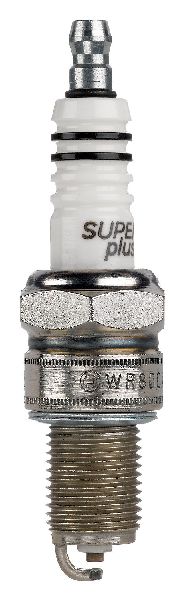
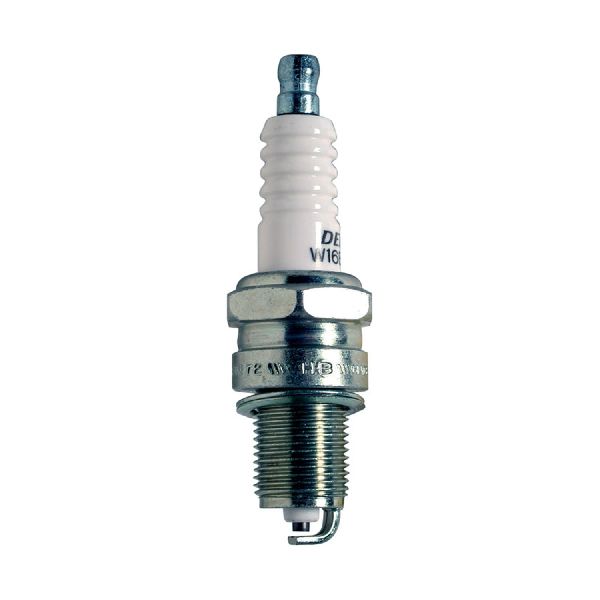
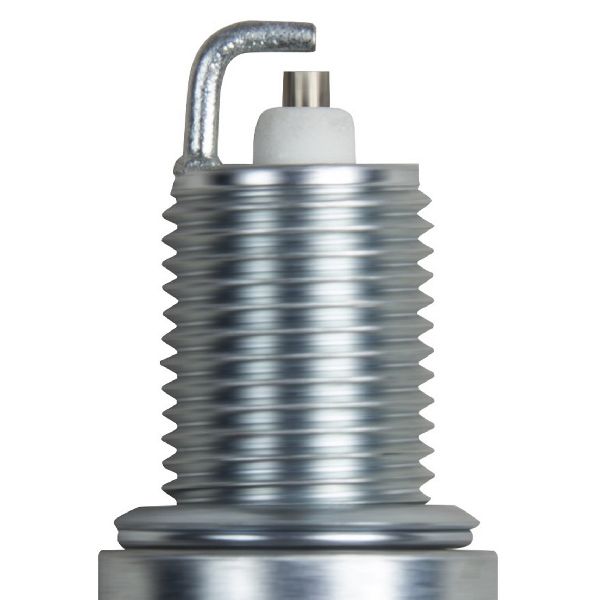
- For the 1983-84 E Class, standard copper spark plugs from brands like Champion or NGK offer the best blend of performance and value.
- No specific recalls or TSBs for spark plugs were found for this vehicle; issues are related to general wear and tear.
- Replacing spark plugs on the 2.2L and 2.6L engines is a very easy DIY job that requires only basic hand tools.
- Always check for oil in the spark plug wells, as a leaky valve cover gasket is a common issue that can cause misfires.
Signs of Failing Spark Plugs
When spark plugs wear out, they can't create a strong, consistent spark. This leads to noticeable problems with how your car drives. Because this is a simple maintenance job, it's best to replace them as soon as you notice any of these symptoms.
- Rough Idle: The engine may shake or vibrate when you're stopped at a light.
- Engine Misfires: You might feel a hesitation, stumble, or loss of power as you accelerate. This happens when a cylinder fails to fire correctly.
- Trouble Starting: Worn plugs require more voltage to make a spark, making it harder to start the engine, especially in cold weather.
- Poor Fuel Economy: If the fuel mixture isn't burning completely, your engine wastes gas, and you'll find yourself filling up more often.
- Sluggish Acceleration: If your E Class feels weak or slow to respond when you press the gas pedal, old spark plugs could be the reason.
Check for Oil Leaks
When you pull the spark plug wires, check inside the spark plug wells for oil. Oil in this area is a common problem caused by a failing valve cover gasket. The oil can interfere with the spark plug's connection, causing a misfire even if the plug itself is new. If you find oil, you must replace the valve cover gasket to fix the root cause.
Choosing the Right Aftermarket Spark Plug
The original ignition system in your E Class was designed for standard copper-core spark plugs. While modern, more expensive plugs are available, they may not be necessary or provide a noticeable benefit.
| Brand Tier | Description & Recommendations |
|---|---|
| Tier 1: OEM-Style Replacement (Copper) | These plugs are very similar to what Chrysler used at the factory. They provide excellent performance for this engine at a very low cost. The trade-off is a shorter lifespan, requiring replacement every 20,000-30,000 miles.
|
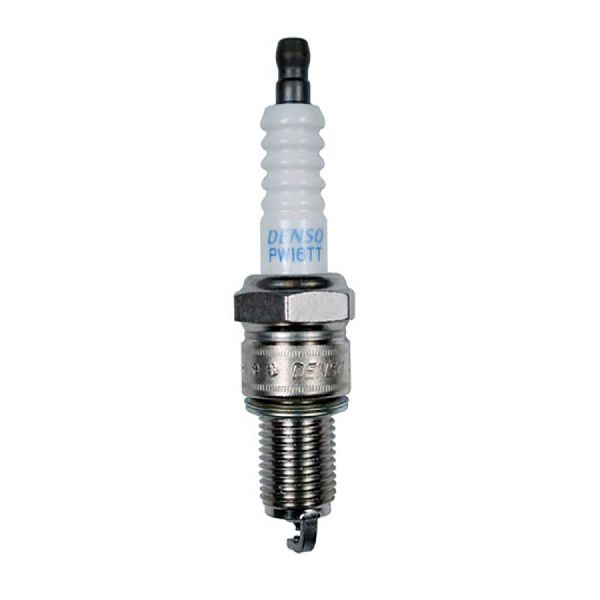
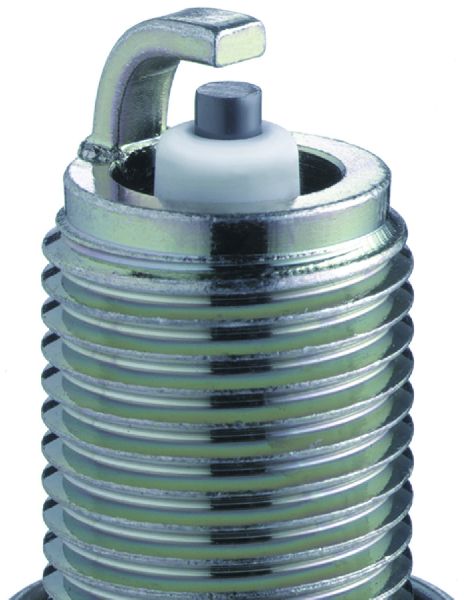
| Tier 2: Long-Life Upgrade (Platinum/Iridium) | Platinum and Iridium plugs have a fine wire center electrode made of more durable materials. They last much longer (60,000+ miles) but cost significantly more. While they will work fine in your E Class, they won't create more power. They are a good choice if you want to extend the time between changes.
|
Pro Tip: For most owners, a set of standard copper plugs from Champion or NGK is the best combination of performance and value for the 1983-1984 Chrysler E Class. The ignition system was designed for them, and they are very affordable.
Frequently Asked Questions (FAQ)
Do I need to gap new spark plugs?
Yes. Even if the box says "pre-gapped," the gap can be knocked out of spec during shipping. Always use a feeler gauge or gapping tool to check and adjust the gap to your engine's specific requirement before installation. The correct gap is often found on a sticker in the engine bay or in the owner's manual.
Should I use anti-seize on the threads?
It depends on the brand. NGK, for example, uses a special plating on its threads and recommends NOT using anti-seize. For other brands like Champion or Autolite, a very small amount on the threads (not on the electrode tip) can help prevent the plug from getting stuck in the cylinder head. Always follow the manufacturer's instructions on the box.
Are more expensive iridium plugs worth it for my E Class?
For most owners, no. While iridium plugs last much longer, they do not provide a noticeable increase in power or fuel economy on this vehicle's vintage engine and ignition system. The extra cost is only worth it if your main goal is to avoid changing the plugs again for a very long time.
What is the difference between the 2.2L and 2.6L engine spark plugs?
The two engines may require spark plugs with different heat ranges or gap specifications. It is critical to ensure you are buying the correct part number for your specific engine. Most part lookup systems will allow you to select your engine to find the correct plugs.
Technical Specifications
Spark plug gap varies by engine. For the 2.6L engine, the gap is approximately 0.040 inches. Always verify the correct specification for your vehicle's engine before installation.
We Have This Part in Stock

The information in this article is provided for general reference and educational purposes only. Vehicle specifications, procedures, and part compatibility can vary by production date, trim level, and region. Always consult your vehicle's factory service manual and verify part numbers before purchasing or performing repairs. Safety-critical components such as airbags, seat belts, and braking systems should be installed by a qualified professional.
- Chrysler E Class: