

1983-1985 Mazda GLC Engine Coolant Temperature Sensor Reference
Understanding this small sensor is key to keeping your classic Mazda's engine running reliably and efficiently.
- A failing ECT sensor on your GLC can cause poor fuel economy, overheating, and rough running.
- Confirm if your GLC is carbureted or fuel-injected to ensure you order the correct part.
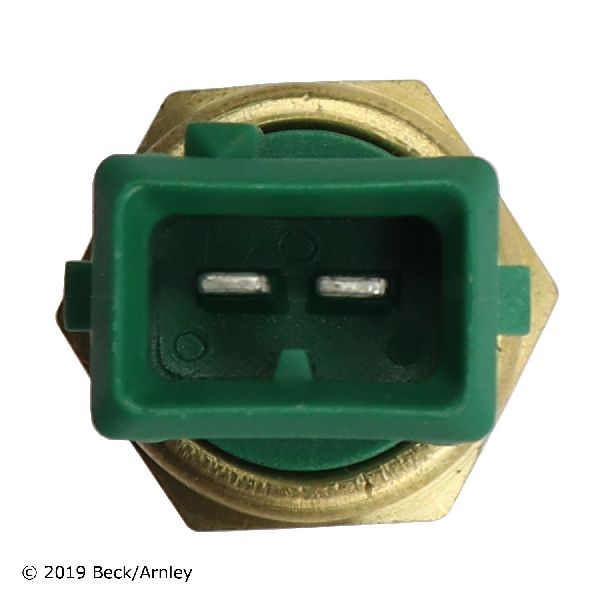
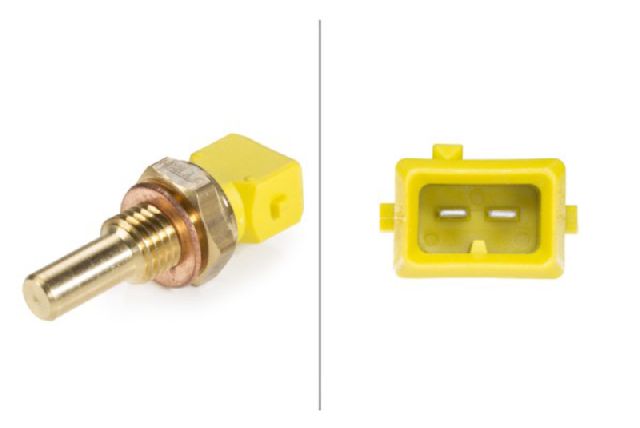
- Choose a reputable aftermarket brand like Beck Arnley, Standard Ignition, or Hella for reliability.
- This is a simple and inexpensive DIY replacement that can solve major running issues.
Symptoms of a Failing Coolant Temperature Sensor
A bad coolant temperature sensor can cause problems that seem unrelated. Because the sensor's reading affects fuel delivery and engine timing, a failure can mimic other issues. 🎬 Watch this video to understand the sensor's role in your engine. Since the 1983-1985 Mazda GLC is a pre-OBDII vehicle, you won't get a specific error code, so you'll need to watch for physical symptoms.
🎬 See a visual guide to common signs of sensor failure.- Poor Fuel Economy: If the sensor is stuck sending a "cold" signal, the engine will run rich, using more fuel than necessary.
- Black Smoke from Exhaust: A very rich fuel mixture, caused by a faulty sensor, can result in unburnt fuel burning in the exhaust, creating black smoke.
- Engine Overheating: A sensor that fails to send a "hot" signal won't trigger the cooling fan, leading to potential overheating. Conversely, a sensor stuck on "hot" can cause the computer to make incorrect adjustments that also lead to overheating.
- Hard Starting: When the engine is cold, it requires a specific fuel mixture to start easily. A bad sensor can prevent the computer from providing the correct mixture.
- Rough Idle or Stalling: An incorrect signal from the sensor can cause the engine's idle to be erratic or lead to stalling as the computer struggles to maintain the right air-fuel balance.
- Inaccurate Temperature Gauge: The most direct symptom may be a temperature gauge on your dashboard that reads incorrectly, either staying on cold, jumping to hot immediately, or not moving at all.
Choosing the Right Aftermarket Sensor
Original Equipment (OEM) sensors for a vehicle of this age are likely discontinued and no longer available. Fortunately, the aftermarket provides several reliable options. For a simple sensor like this, a quality aftermarket part is a perfectly acceptable and cost-effective choice. The key is to select a brand with a good reputation.
Aftermarket Brand Tiers for Mazda GLC
| Tier | Brands | General Assessment |
|---|---|---|
| Premium Aftermarket | Beck Arnley, Hella, Standard Ignition (Standard) | These brands have a long-standing reputation for quality. Beck Arnley specializes in parts for import vehicles and is known for often sourcing from OE suppliers. Standard Motor Products (SMP) is a well-regarded American manufacturer known for making durable ignition and engine management components. Hella is a German company famous for electronics and sensors, known for high-quality and reliable products. |
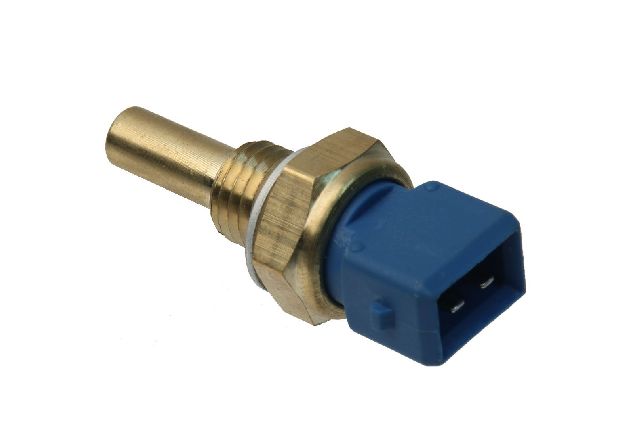
| Standard/Economy | URO Parts, True Tech | These brands offer a more budget-friendly option. URO Parts is often the most economical choice, but owner feedback can be mixed; some find the parts work well for non-critical applications, while others report quality issues. True Tech appears to be a brand associated with various repair shops and may be a private-label product; its quality can be difficult to verify independently. For a critical sensor, sticking to the premium tier is often a safer bet. |
Pro Tip: For a classic Japanese vehicle like the GLC, a brand like Beck Arnley is often a strong choice, as their business model focuses on matching the original part's form, fit, and function for foreign nameplates.
Known Issues, Recalls, or TSBs
Searches of the National Highway Traffic Safety Administration (NHTSA) database and general automotive forums did not reveal any specific recalls or Technical Service Bulletins (TSBs) for the engine coolant temperature sensor on the 1983-1985 Mazda GLC. An unrelated recall was found for certain aftermarket fuel pumps that could fit a GLC, but this does not pertain to the vehicle's original parts.
Frequently Asked Questions
Is it difficult to replace the coolant temperature sensor on a Mazda GLC?
No, this is generally considered an easy DIY job. The sensor is typically threaded into the thermostat housing or the engine block. The process involves draining some coolant, unplugging the electrical connector, unscrewing the old sensor, screwing in the new one, and reconnecting the wire. It usually requires basic hand tools and should take less than an hour.
Do I need a special sensor for a carbureted vs. a fuel-injected GLC?
Yes, it is very likely. While the sensors might look similar, their resistance values and the systems they control can differ. Always verify the part is correct for your specific engine type (carbureted or EGI/fuel-injected) before purchasing.
Why not just buy the cheapest sensor available?
While tempting, the cheapest "white-box" parts often lack quality control. A sensor that fails quickly or provides inaccurate readings will bring back the same performance and economy issues, costing you more time and money in the long run. Sticking with a reputable brand is a small investment for much greater reliability.
Can I test my old sensor before replacing it?
Yes. A coolant temperature sensor is a thermistor, meaning its electrical resistance changes 🎬 Learn more about how coolant temperature sensors function internally. with temperature. You can test it with a multimeter set to measure Ohms. By measuring the resistance when the engine is cold and then again when it's fully warmed up, you should see a significant change. The exact specifications can be found in a factory service manual, but a sensor that shows no change or an open circuit is faulty.
Helpful Videos
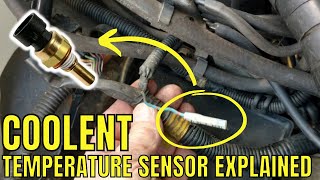
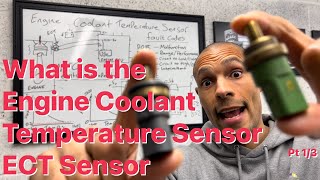
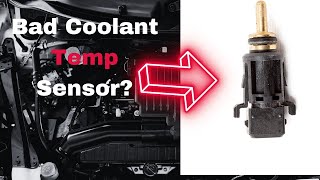
Technical Specifications
The sensor is a Negative Temperature Coefficient (NTC) thermistor. Its electrical resistance decreases as the coolant temperature increases. Specific resistance values vary by application (carbureted vs. fuel-injected).
We Have This Part in Stock
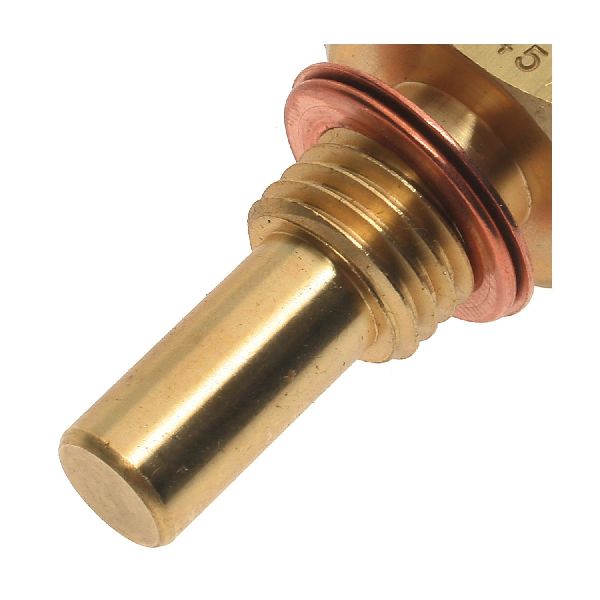


The information in this article is provided for general reference and educational purposes only. Vehicle specifications, procedures, and part compatibility can vary by production date, trim level, and region. Always consult your vehicle's factory service manual and verify part numbers before purchasing or performing repairs. Safety-critical components such as airbags, seat belts, and braking systems should be installed by a qualified professional.
- Mazda GLC: