

Ford Ranger Catalytic Converter Guide (1983-1987)
Everything you need to know about replacing the catalytic converter on your first-generation Ford Ranger.
- A direct-fit converter is highly recommended over a universal one for easier installation.
- Symptoms like power loss and a rotten egg smell are strong indicators of a failed converter.
- MagnaFlow and Walker are trusted aftermarket brands, with MagnaFlow being the premium, longer-lasting option.
- Expect to deal with significant rust on the original bolts during replacement.
Is Your Ranger's Catalytic Converter Failing?
After 35+ years on the road, your Ranger's original catalytic converter has likely seen better days. Rust, internal clogging from age, or physical damage are common. The symptoms of a failing converter can often be mistaken for other engine problems, like a bad fuel pump or a clogged filter.
Common Symptoms:
- Loss of Power: The truck feels sluggish, especially when you try to accelerate or go up hills. This happens because a clogged converter creates backpressure, essentially choking the engine.
- Rotten Egg Smell: A distinct sulfur smell from the exhaust is a classic sign that the converter isn't properly processing the exhaust gases.
- Rattling Noise: If you hear a rattling or metallic shaking sound from under the truck, the ceramic honeycomb inside the converter has likely broken apart.
- Excessive Heat: A failing converter can trap an enormous amount of heat, sometimes enough to make it glow red. This can be a fire hazard and damage surrounding parts.
- Worse Fuel Economy: When your engine can't breathe properly, it works harder and uses more fuel.
Choosing the Right Aftermarket Converter
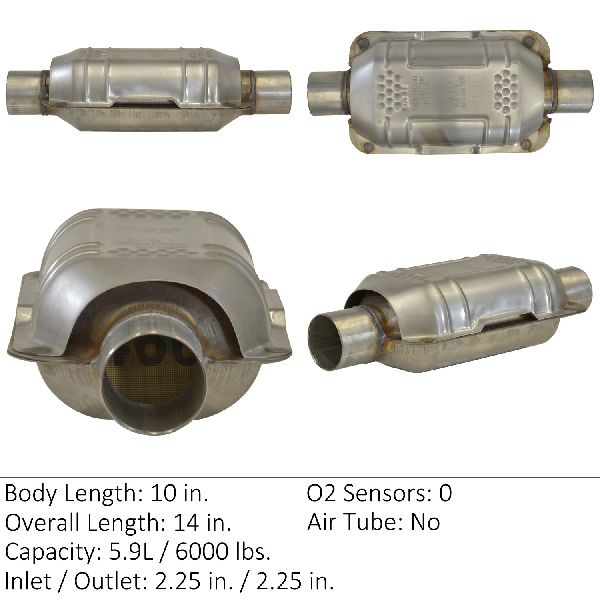
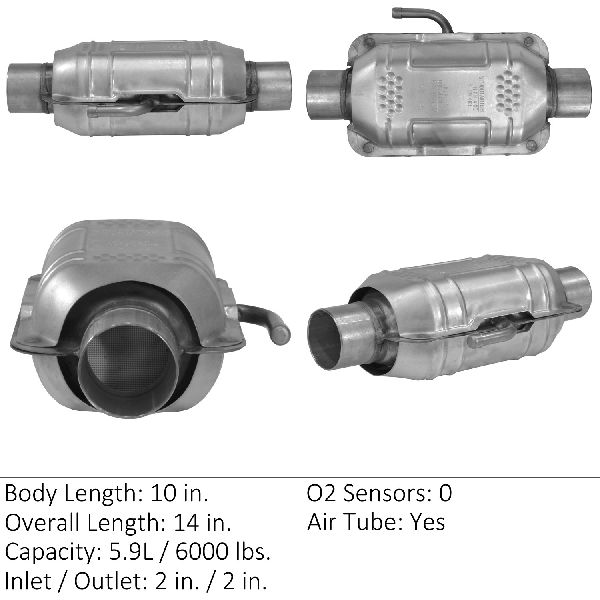
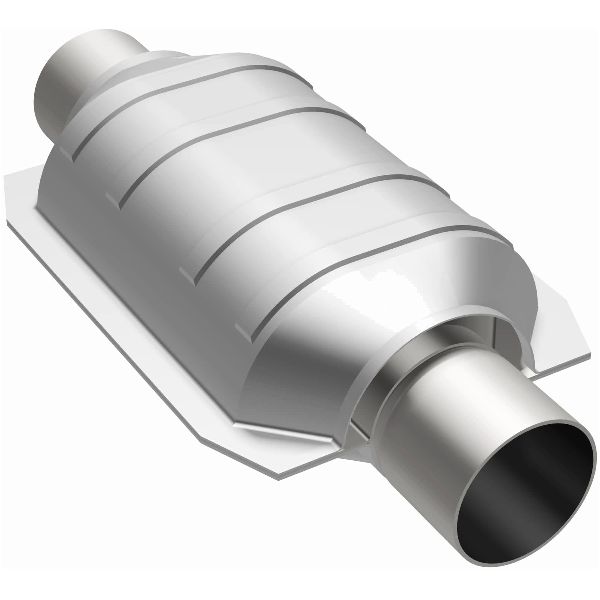
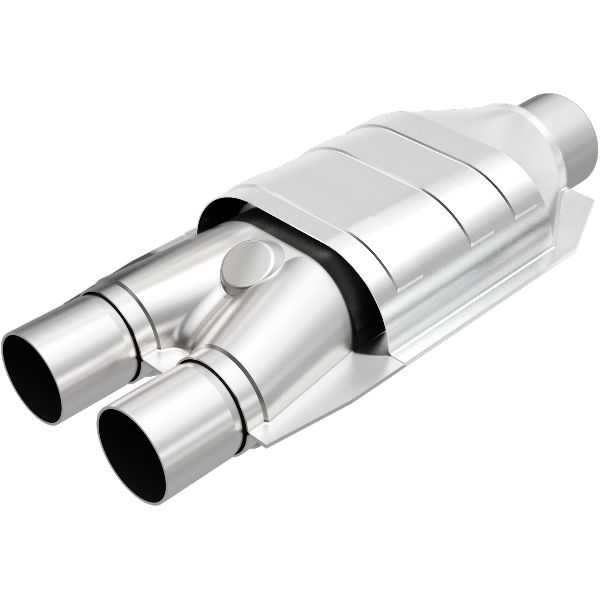
You won't find a new OEM catalytic converter from Ford for a truck this old. The good news is that the aftermarket offers several options that fit and work well. For the 1983-1987 Ranger, you'll primarily choose between 'universal fit' and 'direct-fit' converters.
Aftermarket Brand Tiers:
When shopping, you'll see a few common brands. Quality generally aligns with price.
- MagnaFlow: Often considered a top-tier aftermarket brand. They use stainless steel construction for corrosion resistance and focus on maintaining good exhaust flow. While more expensive, owners and mechanics generally trust their quality for longevity and fitment.
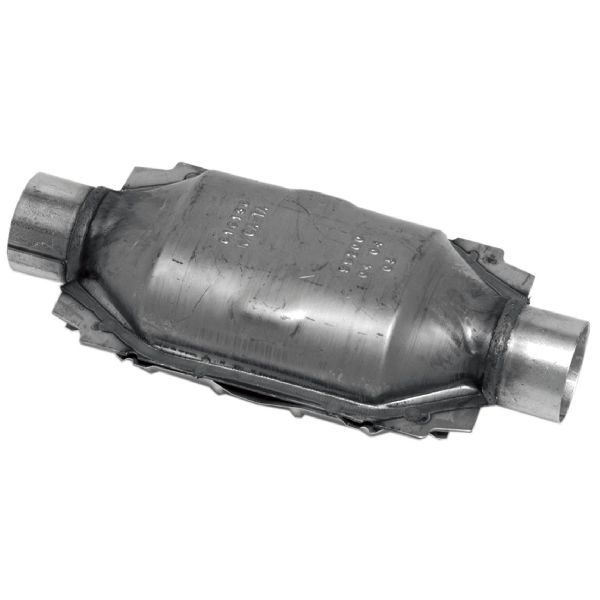
- Walker Exhaust: A well-known OE-style replacement brand. Walker provides a solid, budget-friendly option that meets requirements. Some users report that they may not last as long as premium brands in harsh climates due to materials, but they are a reliable choice for the price.
- Eastern Catalytic: This is a value-oriented brand. It will get the job done and pass emissions, but may have a shorter lifespan compared to more expensive options. It's a viable choice if budget is the primary concern.
Cost to Replace Your Ranger's Catalytic Converter
The cost depends heavily on the brand you choose and whether you do the work yourself. For a vehicle of this age, the biggest challenge is often dealing with rusted bolts.
| Item | Estimated Cost |
|---|---|
| New Aftermarket Part (Federal/EPA) | $97.00 - $1054.00 |
| Shop Labor | $150 - $300 |
Frequently Asked Questions
Do I need a special converter for my 2.3L or 2.8L/2.9L engine?
Yes, you need to buy the converter that is specified for your exact year and engine. While the converters may look similar, there are differences in pipe diameter and length between the 4-cylinder and V6 models. Always use a fitment checker to confirm the part number.
Are there any recalls for the 1983-1987 Ranger catalytic converter?
No, there are no specific recalls for the catalytic converter itself on these models. There was a recall in 1986 for 1987 models with the 2.3L engine concerning a loose terminal on the oxygen sensor, which could affect emissions, but not the converter directly.
Can I just remove the catalytic converter?
No. It is illegal under federal law to remove a catalytic converter from a vehicle that was originally equipped with one. Doing so will also cause your truck to fail any emissions test and can result in fines.
Is installation a DIY job?
For a mechanically inclined person with the right tools, yes. If you buy a direct-fit converter, the job involves unbolting the old unit and bolting in the new one. However, the original bolts will likely be rusted solid after 35+ years. Be prepared with penetrating oil, a torch, and possibly a grinder to cut the old bolts off. If you are not comfortable with this, a muffler shop can do the job relatively quickly.
Technical Specifications
Varies by engine (2.0L, 2.3L, 2.8L, 2.9L) and year. Most are a single-converter setup. Direct-fit models are available with stainless steel construction and lengths around 34-39 inches. Always confirm fitment for your specific vehicle configuration.
We Have This Part in Stock

The information in this article is provided for general reference and educational purposes only. Vehicle specifications, procedures, and part compatibility can vary by production date, trim level, and region. Always consult your vehicle's factory service manual and verify part numbers before purchasing or performing repairs. Safety-critical components such as airbags, seat belts, and braking systems should be installed by a qualified professional.
- Ford Ranger: