

Choosing the Right Ignition Coil for Your 1983-1987 Ford Ranger
Get your first-generation Ranger running right by understanding its simple, but vital, ignition coil.
- Symptoms of a bad coil include no-start, stalling, misfiring, and poor power.
- Replacement is very easy and a great DIY job, usually taking less than 30 minutes.
- For reliability, choose a premium aftermarket brand like Motorcraft, Standard Ignition, or NGK over budget options.
- Check if your truck has a canister-style or TFI E-core coil before buying to ensure you get the right part.
Is Your Ignition Coil Failing?
A bad ignition coil on an older truck like the 1983-1987 Ranger can cause problems that seem serious but are often simple to fix. Because the coil is essential for creating spark, any failure directly impacts how the engine runs. Watch for these common signs.
Symptoms of a Bad Ignition Coil
- No-Start or Hard Starting: The engine cranks but won't fire up, or takes a long time to start. This happens when the coil is too weak to make a spark.
- Engine Misfires and Rough Idle: The truck may shake, sputter, or run unevenly, especially at a stop. This is caused by inconsistent spark in one or more cylinders.
- Stalling: The engine may suddenly shut off while driving or idling, often after it has warmed up. This can be a sign of the coil failing as it gets hot.
- Loss of Power and Poor Acceleration: Your Ranger may feel sluggish and slow to respond when you press the gas pedal.
- Backfiring: A loud pop from the exhaust can occur when unburned fuel ignites in the hot exhaust pipes, a result of no spark in the cylinder.
- Worse Fuel Economy: If the engine isn't burning fuel efficiently due to weak or missing spark, your gas mileage will drop.
Known Issues: TFI Module Failures
For Rangers equipped with the TFI (Thick Film Ignition) system, the ignition module mounted on the distributor is a known failure point. When this module fails, it can mimic a bad coil or even cause the coil to overheat and fail. If you replace the coil and the problem returns, the TFI module is the next part to inspect.
Choosing a New Aftermarket Ignition Coil
For a classic truck like the first-gen Ranger, you don't need to hunt down a rare, expensive OEM part. A quality aftermarket coil will work just as well, and sometimes even better. The key is choosing a brand with a good reputation. Here’s how the available brands generally stack up.
Brand Tiers for Your Ranger
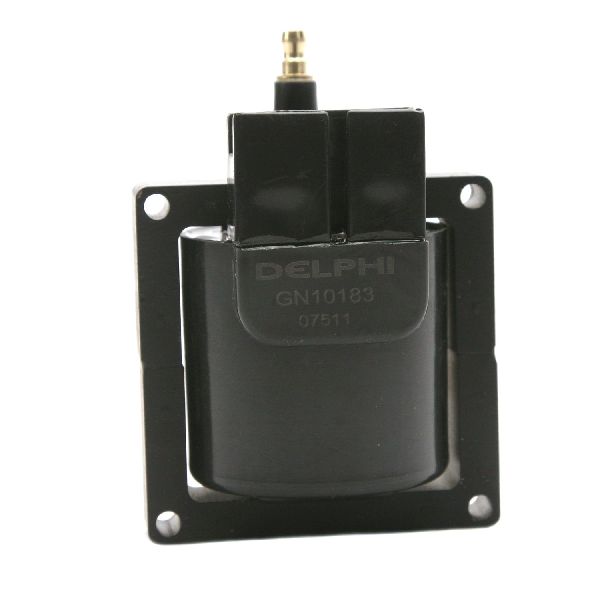
- OEM/Premium Aftermarket (Motorcraft, Standard Ignition, NGK, Delphi): Motorcraft is Ford's original part supplier, so it's a guaranteed fit and quality choice. Standard Ignition and NGK are highly respected aftermarket brands that build parts to meet or exceed original specifications. Delphi is another trusted OEM supplier for many carmakers. These brands are your best bet for long-term reliability.
- Performance (Accel, MSD): Brands like Accel and MSD offer "hotter" coils that produce a higher voltage. While some users report a smoother idle or better throttle response, many experienced mechanics find little to no performance difference on a stock engine and recommend sticking with Motorcraft for reliability. For a daily driver, the extra cost may not be worth it.
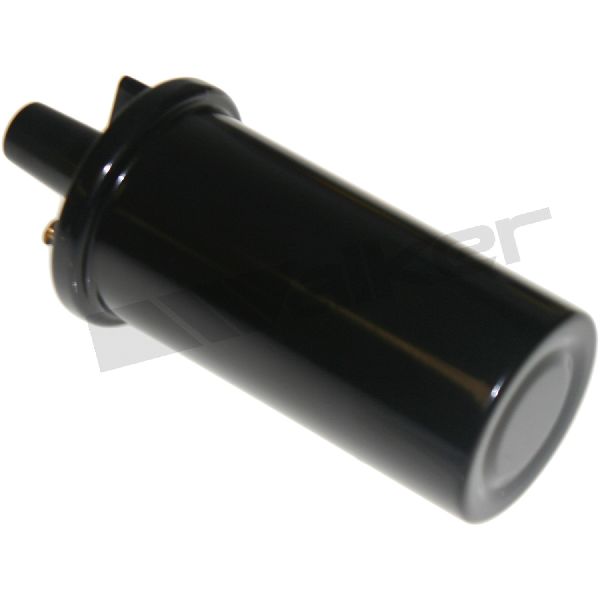
- Standard/Economy (DriveWire, Spectra, Walker, Beck Arnley, etc.): These brands offer a cost-effective solution. They can be a good choice if budget is your main concern, but their lifespan and manufacturing consistency may not match the premium brands. For a critical part like the ignition coil, spending a little more on a premium aftermarket brand is a wise investment.
Pro Tip: Check Your Ignition System Type
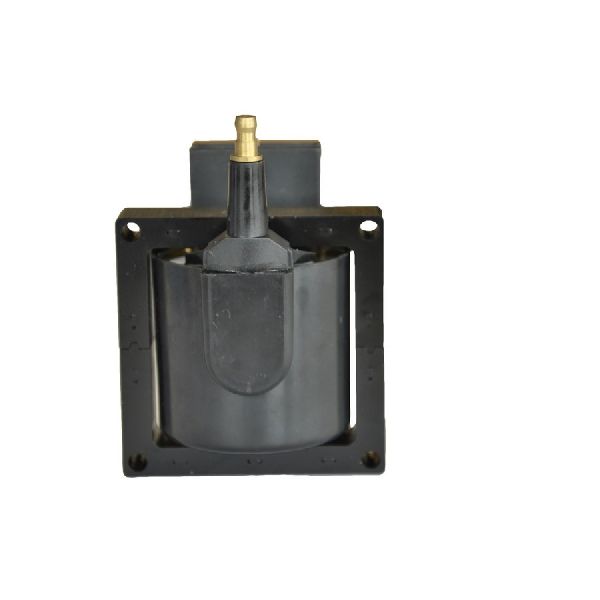
Before ordering, confirm if your Ranger has the Dura-Spark system or the TFI system. They use different style coils (canister vs. E-core). A visual check is the easiest way—the TFI coil is a square, laminated block, often mounted on the driver's side fender apron, while the older canister coil is a small cylinder. Matching the new part to the old one is the surest way to get the right coil.
| Part Type | Estimated Cost |
|---|---|
| New Aftermarket | $22.57 - $104.61 |
| New OEM (Motorcraft) | $50 - $95 |
| Shop Labor | $50 - $100 |
Frequently Asked Questions
Is it hard to replace the ignition coil on a 1983-1987 Ranger?
No, this is a very easy job for a DIY mechanic. The coil is usually mounted on the fender or intake manifold with one or two bolts. You just disconnect the electrical connector and the main spark plug wire, unbolt the old coil, and bolt the new one in its place. It typically takes less than 30 minutes.
Do I need to replace my spark plugs and wires with the coil?
It's a good idea, but not always necessary. If your plugs and wires are old, a new, stronger coil can cause them to fail. Since you're already working on the ignition system, replacing the coil, plugs, and wires together ensures the whole system is healthy and performs its best.
Will a performance coil from MSD or Accel give me more power?
On a mostly stock engine, you are unlikely to notice any significant power gains. These coils are designed to provide a stronger, more consistent spark at high RPMs, which is more beneficial for modified, high-performance engines. For a standard Ranger, a quality OEM-style coil from a brand like Motorcraft or Standard Ignition is more than adequate.
Are there any recalls on the ignition coil for this Ranger?
No, there are no specific recalls for the ignition coil itself on the 1983-1987 Ford Ranger. There was a major recall for faulty fuel line couplings that could lead to a fire in the presence of an ignition source, but this did not involve the ignition components directly. There was also a large recall for ignition switches in later model Fords, but this did not cover this specific year range.
Technical Specifications
OEM Part Numbers: E3FZ-12029A E43Z-12029-A DG434 FD478
Varies by ignition system (Dura-Spark or TFI). Can be canister-style or E-core style. Primary resistance and secondary resistance must match the vehicle's ignition module.
We Have This Part in Stock


The information in this article is provided for general reference and educational purposes only. Vehicle specifications, procedures, and part compatibility can vary by production date, trim level, and region. Always consult your vehicle's factory service manual and verify part numbers before purchasing or performing repairs. Safety-critical components such as airbags, seat belts, and braking systems should be installed by a qualified professional.
- Ford Ranger: