

A Practical Guide to Spark Plugs for the 1983-1987 Jaguar XJ6
Keep your classic Jaguar's 4.2L engine running strong with the right set of spark plugs.
- Stick with standard copper spark plugs like Champion N12Y or NGK BP5ES for reliable, original-spec performance.
- Always check and set the spark plug gap to 0.035 inches before installation.
- Replacement is an easy DIY job that can save you significant labor costs.
- Due to their low cost, changing plugs every 12,000-15,000 miles is a wise preventative maintenance step.
Symptoms of Failing Spark Plugs
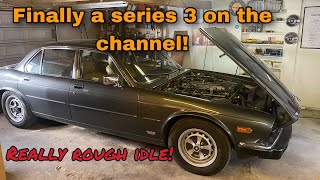
When your spark plugs are worn out, your Jaguar's engine won't run as it should. You might notice one or more of these signs. A very common symptom is a rough or shaky feeling when the car is idling at a stop. 🎬 Watch this guide to fixing a rough idle problem. You may also feel the engine hesitate or stumble when you accelerate. Other signs include difficulty starting the engine, a noticeable drop in fuel economy, and a general lack of power. If the problem is bad enough, it can trigger the Check Engine Light due to engine misfires.
🎬 See how to diagnose and fix a Jaguar engine misfire.Choosing the Right Aftermarket Spark Plug
For the 1983-1987 Jaguar XJ6, you don't need expensive, fancy spark plugs to get great performance. The original 4.2L engine was designed for traditional copper spark plugs, and they still work exceptionally well.
Recommended Spark Plug Types
| Brand Tier | Recommended Brands & Models | Why Choose This Tier? |
|---|---|---|
| OEM Equivalent / Recommended | Champion N12Y, NGK BP5ES / BPR5ES | These are the plugs the car was designed for or are highly recommended by experienced owners. They provide reliable performance and are very affordable. Many Jaguar enthusiasts prefer NGK plugs for their consistent quality. |
| Quality Aftermarket | Bosch, Denso | These are reputable brands that make quality copper plugs equivalent to the originals. They are a perfectly good choice if Champion or NGK are not available. |
| Modern Upgrades (Platinum/Iridium) | NGK Iridium IX, Bosch Platinum | While these plugs offer a longer service life, they are not necessary for the XJ6's engine and do not provide a noticeable performance benefit over standard copper plugs. Some owners stick to copper plugs, believing they work best with the original ignition system. |
Pro Tip: The correct spark plug gap is crucial for performance. For the 1983-1987 XJ6, the gap should be set to 0.035 inches (0.9mm). Always check the gap with a feeler gauge before installation, even if the plugs claim to be pre-gapped.
Known Issues, Recalls, or TSBs
There are no specific recalls or Technical Service Bulletins (TSBs) from the National Highway Traffic Safety Administration (NHTSA) regarding spark plugs for the 1983-1987 Jaguar XJ. Any issues you experience with spark plugs are almost always due to normal wear and tear or incorrect installation.
DIY Replacement & Costs
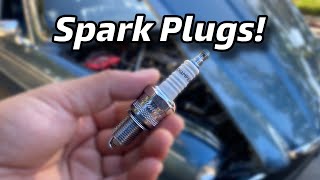
Replacing the spark plugs on the XJ6's 4.2L inline-six engine is a straightforward job for a DIY mechanic and can be done in about an hour. 🎬 Watch a step-by-step walkthrough of the spark plug replacement. You will need a 13/16" or 21mm spark plug socket with an extension. It's important to work on a cold engine and to clean the area around the plugs before removing them to prevent dirt from falling into the engine. Applying a small amount of anti-seize compound to the new plug's threads can prevent them from getting stuck in the aluminum cylinder head.
Estimated Cost Comparison
| Part Type | Estimated Cost (Set of 6) |
|---|---|
| New OEM (Champion) | $15 - $30 |
| New Aftermarket (NGK, Bosch, Denso) | $12 - $25 |
| Shop Labor | $140 - $206 |
| Total Professional Replacement | $203 - $296 |
Frequently Asked Questions (FAQ)
How often should I change the spark plugs on my XJ6?
For standard copper plugs like Champion or NGK, a good interval is every 12,000 to 15,000 miles or every two years to keep the engine in top condition. Given the low cost, frequent changes are cheap insurance against performance problems.
Is it okay to use modern Iridium or Platinum spark plugs?
You can, but it's generally not recommended or necessary. The original ignition system was designed for copper plugs, and they provide an excellent spark for this engine. You are unlikely to see any performance gain from more expensive plugs, so it's better to save money and stick with high-quality copper ones.
What does the 'heat range' of a spark plug mean?
The heat range refers to how quickly the spark plug transfers heat away from its firing tip. A "hotter" plug (like NGK BP5ES) retains more heat, which helps burn off carbon deposits during low-speed city driving. A "colder" plug (like NGK BP6ES) dissipates heat faster to prevent overheating during sustained high-speed driving. For a stock XJ6, the standard recommended heat range (Champion N12Y or NGK BP5ES) is appropriate.
Do I need to use a torque wrench to install spark plugs?
Using a torque wrench is the best practice to avoid damaging the cylinder head. The recommended torque is around 25 ft-lbs. If you don't have one, a common method for plugs with a gasket is to tighten them by hand until they are snug, then use a wrench to turn them an additional 1/2 turn. Over-tightening can strip the threads in the aluminum head, leading to a very expensive repair.
Helpful Videos
Technical Specifications
OEM Part Numbers: N12Y
Engine: 4.2L Inline-6, Quantity: 6, Socket Size: 13/16 inch (21mm), Gap: 0.035 inch (0.9mm), Recommended Type: Copper

The information in this article is provided for general reference and educational purposes only. Vehicle specifications, procedures, and part compatibility can vary by production date, trim level, and region. Always consult your vehicle's factory service manual and verify part numbers before purchasing or performing repairs. Safety-critical components such as airbags, seat belts, and braking systems should be installed by a qualified professional.
- Jaguar XJ: