

Mazda 626 Front Disc Brake Rotor Guide (1983-1987)
Everything you need to know before replacing the front brake rotors on your second-generation Mazda 626.
- The front rotors on a 1983-1987 Mazda 626 are a 'captive' design, making replacement a difficult job that requires a hydraulic press.
- Due to the complexity of a captive rotor replacement, this is not a recommended DIY job for most home mechanics.
- Dynamic Friction is a reputable aftermarket brand that offers a cost-effective replacement option for daily driving.
- Always replace rotors in pairs and install new brake pads at the same time to ensure safety and performance.
Signs of a Failing Brake Rotor
Your Mazda 626 will give you clear signals when its brake rotors need attention. Since rotors are wear items, they will eventually need to be replaced. Ignoring these signs can lead to longer stopping distances and potential danger.
- Vibration or Pulsating: If you feel a pulsing in the brake pedal or a vibration in the steering wheel when you brake, the rotor surface is likely uneven or 'warped'. This is a very common symptom.
- Grinding Noises: A metal-on-metal grinding sound means the brake pads have completely worn away and the metal backing plate is now digging into the rotor. This is a critical situation that requires immediate service.
- Visible Grooves or Damage: A visual inspection can reveal deep grooves or scoring on the rotor's surface. A noticeable 'lip' on the outer edge also indicates significant wear.
- Longer Stopping Distances: If the car is taking longer to stop than it used to, worn rotors could be reducing the effectiveness of the entire brake system.
Critical Installation Note: Captive Rotors
The 1983-1987 Mazda 626 uses a captive rotor system for the front brakes. Unlike modern cars where the rotor slides off after removing the caliper, the rotor on your 626 is installed behind the wheel hub. To replace it, the entire steering knuckle must be removed from the car. A hydraulic press is then required to press the hub out of the wheel bearing to access the rotor. This is a labor-intensive job that is not recommended for a typical DIY mechanic without access to a press and advanced tools. You should factor in significantly higher shop labor costs compared to a standard brake job.
Choosing the Right Aftermarket Rotor
For a vehicle from this era, new Original Equipment Manufacturer (OEM) parts are rare and expensive. Aftermarket parts are the most common and practical choice. Modern aftermarket rotors often meet or exceed the quality of the original parts from the 1980s.
- Brand Quality: Dynamic Friction is a widely available aftermarket brand for your Mazda 626. Forum discussions and reviews suggest their rotors are considered a reliable and budget-friendly option for daily driving. They are generally seen as a legitimate aftermarket part that offers good value. While isolated issues like receiving a warped part have been reported, the general consensus is positive.
- OEM vs. Aftermarket: While you might find a new OEM rotor online, it will cost significantly more than an aftermarket part. Given the age of the 626, a quality aftermarket rotor from a brand like Dynamic Friction is a perfectly suitable and cost-effective choice that meets OEM form, fit, and function.
Frequently Asked Questions (FAQ)
Do I need to replace rotors in pairs?
Yes. Always replace brake rotors on the same axle at the same time. Replacing only one side can cause uneven braking, pulling, and unpredictable handling.
Should I replace my brake pads at the same time?
Absolutely. It is essential to install new brake pads whenever you install new rotors. Old pads have worn into the pattern of the old rotors and will cause noise and uneven wear on your new ones.
What does 'warping' mean?
Warping doesn't mean the rotor is bent like a potato chip. It refers to tiny variations in the thickness of the rotor surface. These high and low spots cause the brake pedal to pulsate as the pads move over them. This is often caused by excessive heat and improper break-in.
Were there any recalls on the 1983-1987 Mazda 626 brakes?
There was a recall (NHTSA ID: 00V074) for a brake master cylinder reservoir cap on some Mazda vehicles, which could potentially reduce brake effectiveness. However, this recall campaign began in the year 2000 and may not apply to this specific year range. It is always best to check your vehicle's specific VIN on the NHTSA website for any open recalls.
Technical Specifications
OEM Part Numbers: G091-33-251C GW55-26-251
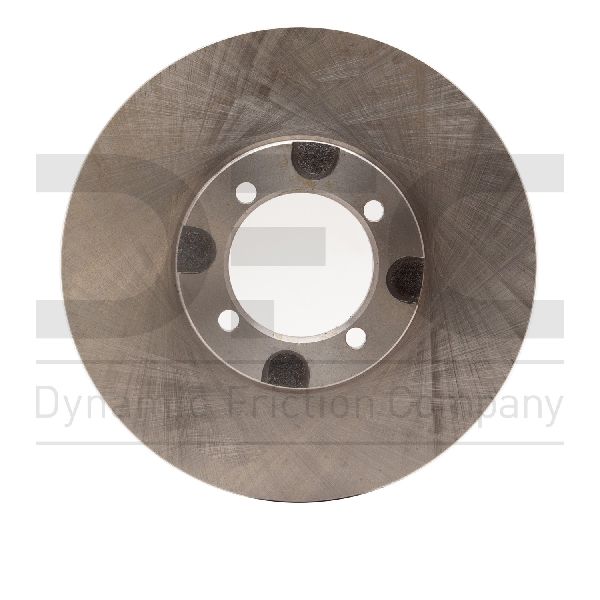
Vented Front Rotor, 4-Lug
We Have This Part in Stock

The information in this article is provided for general reference and educational purposes only. Vehicle specifications, procedures, and part compatibility can vary by production date, trim level, and region. Always consult your vehicle's factory service manual and verify part numbers before purchasing or performing repairs. Safety-critical components such as airbags, seat belts, and braking systems should be installed by a qualified professional.
- Mazda 626: