

A/C Compressor Guide for the 1983-1988 Chevrolet Camaro
Everything you need to know before replacing the A/C compressor on your third-generation Camaro.
- The original R4 compressor is a known unreliable part; expect to replace it.
- You MUST replace the accumulator and orifice tube and flush the entire system when installing a new compressor to prevent immediate failure.
- A new aftermarket compressor from a reputable brand is often a better choice than a remanufactured unit.
- If your car still uses R12 refrigerant, you should convert it to R134a during the replacement, which requires new O-rings and PAG oil.
Is Your Camaro's A/C Blowing Hot Air?
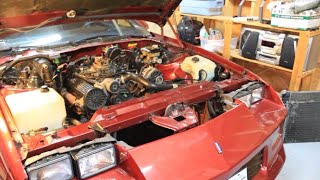
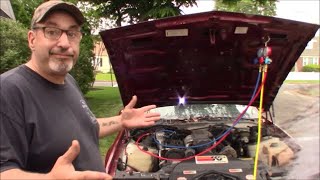
If you've turned on the A/C in your 1983-1988 Camaro and felt nothing but warm air, a failing 🎬 Watch this troubleshooting guide to diagnose your warm air issues. A/C compressor is a likely culprit. This component works hard under the hood and is a known weak point on these cars. Understanding the common issues and your replacement options will help you get your A/C blowing cold again.
Known Issues with the Factory GM R4 Compressor
Third-generation Camaros were equipped with the Harrison R4 compressor from the factory. While it was an improvement over older designs, it has a reputation for being noisy and unreliable by modern standards. Owners on forums frequently report issues with these units. Common failure points include leaks from the large O-rings that seal the compressor's body and cracks forming in the spot welds that hold the outer case together. A noisy compressor or one that puts a heavy drag on the engine are also common complaints.
Pro Tip: R12 vs. R134a Refrigerant
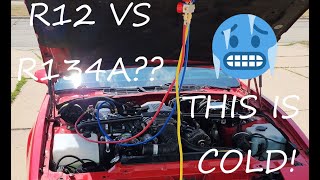
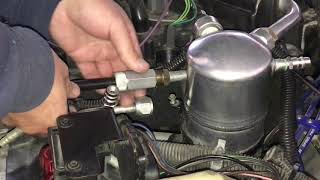
Your Camaro originally came with R12 refrigerant, which is no longer produced and is very expensive. Most systems have been or will be converted to the modern R134a standard. If you are replacing your compressor, it is the perfect time to convert if it hasn't been done already. This 🎬 Watch a complete R12 to R134a conversion on a Third Gen. involves changing all the O-rings to R134a-compatible ones (green HNBR rings), flushing the system of old mineral oil, and adding the correct type and amount of PAG oil. For best performance with R134a, especially in hot climates, consider upgrading the original tube-and-fin condenser to a more efficient parallel-flow design.
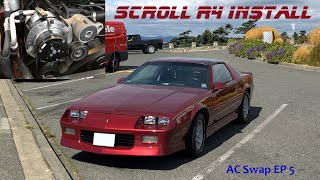
🎬 See a step-by-step walkthrough of the compressor and condenser installation.Choosing the Right Aftermarket Compressor
When shopping for a new compressor, you will find both new and remanufactured options. While remanufactured units are cheaper, they have a hit-or-miss reputation for reliability. Many experienced owners recommend spending a little more on a completely new unit to avoid having to do the job twice.
Brand Quality Tiers
- Good (OEM-Equivalent): ACDelco is General Motors' own parts brand and is considered the original equipment supplier. A new ACDelco compressor is a solid choice for those wanting to keep an OEM-style part under the hood. However, even new units are based on the original, sometimes fragile, R4 design.
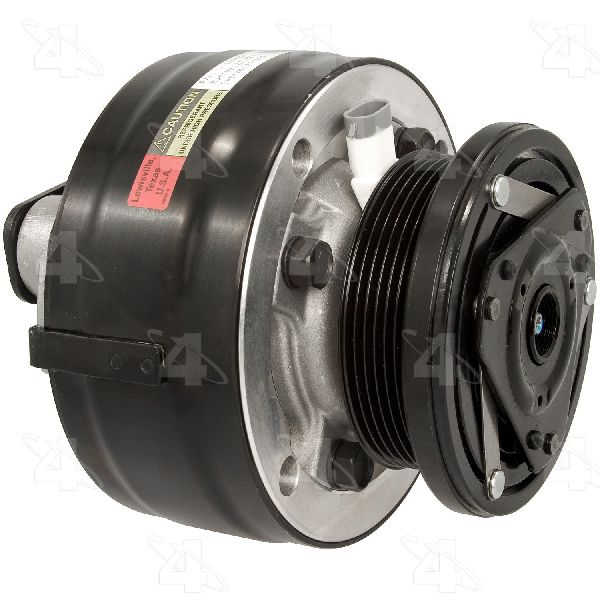
- Better (Reputable Aftermarket): A NEW Four Seasons compressor is often recommended by owners who have had good results. Be cautious with their remanufactured units, which have a mixed reputation and have earned the nickname "Four Seizings" among some enthusiasts.
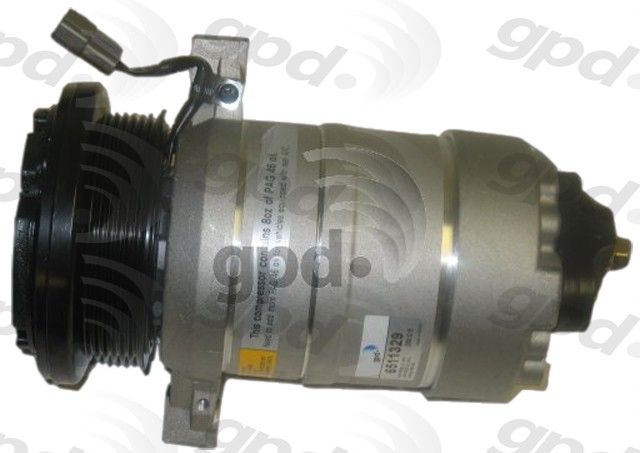
- Economy (Budget-Friendly): Brands like Global Parts (gpd) and other store brands offer budget-friendly options, often in complete kits. While tempting, reliability can be inconsistent. One owner reported a new GPD unit failing within a year. These are best considered if budget is the primary concern.
Warning: Don't Just Replace the Compressor!
If your old compressor failed internally, it likely sent metal shavings and debris throughout your entire A/C system. Simply installing a new compressor without addressing this contamination is a guarantee that the new part will fail very quickly. At a minimum, you must also replace the A/C accumulator (also called a receiver/drier) and the orifice tube. The entire system, including the evaporator and condenser, must be thoroughly flushed with a proper A/C flushing agent to remove all debris and old oil before installing the new parts.
A/C Compressor Replacement Cost for 1983-1988 Camaro
| Part Type | Estimated Cost |
|---|---|
| New Aftermarket Compressor | $156 - $491 |
| Remanufactured Aftermarket Compressor | $120 - $250 (plus core charge) |
| New OEM (GM/ACDelco) | $380 - $680 |
| Shop Labor | $275 - $405 |
| Total Professional Replacement | $900 - $1,150+ |
Note: Costs are estimates and can vary based on your location, the specific brand of parts chosen, and whether you are converting from R12 to R134a. The job always requires evacuating and recharging the system, which adds to the cost.
Frequently Asked Questions (FAQ)
Do I have to replace my accumulator and orifice tube with the compressor?
Yes, it is mandatory. The accumulator contains a desiccant that absorbs moisture, and it can only absorb so much. Once the system is opened, it becomes saturated and must be replaced. The orifice tube acts as a filter and will be clogged with debris from the old, failed compressor. Not replacing these parts will cause your new compressor to fail.
Can I replace the A/C compressor myself?
This is a challenging job for a beginner. While the mechanical unbolting and re-bolting is straightforward, the job requires specialized tools like a manifold gauge set and a vacuum pump. The system must be properly evacuated to boil off any moisture and then recharged with the correct amounts of oil and refrigerant. Improper charging can damage the new compressor. It is illegal to release old refrigerant into the atmosphere, so it must be recovered by a licensed shop first.
What kind of oil do I use for an R134a conversion?
When converting to R134a, you must use PAG oil. The original R12 system used mineral oil, which is not compatible with R134a. The entire system must be flushed to remove all the old mineral oil before adding the new PAG oil. Most new compressors come pre-filled with some oil, but you must verify the amount and add more to other components like the accumulator as required by the service manual.
Why is my new compressor so noisy?
The original R4 compressor design is known for being noisy, even when new. However, excessive grinding or rattling could indicate a problem. It could be an early sign of failure due to system contamination, improper oil level, or a defective part. If the noise is severe, it's best to have the system checked by a professional.
Helpful Videos
Technical Specifications
OEM Part Numbers: 1134344 88964863 1134356 88964869
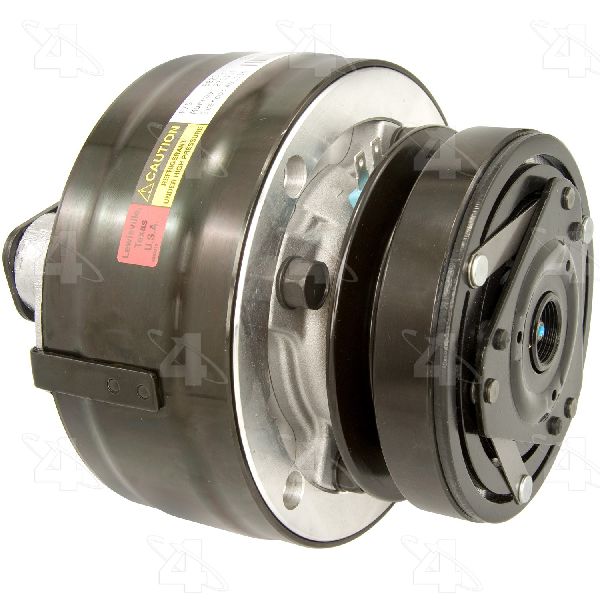
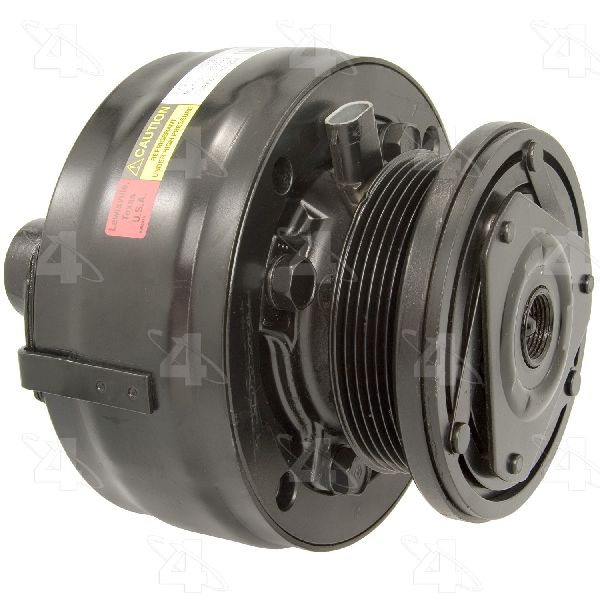
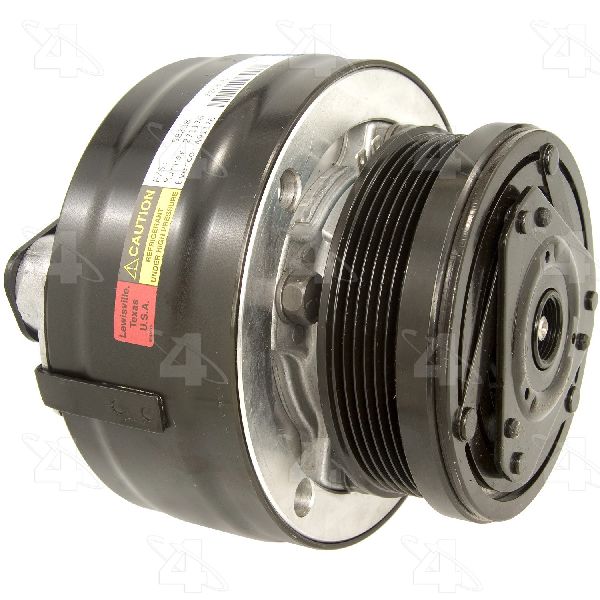
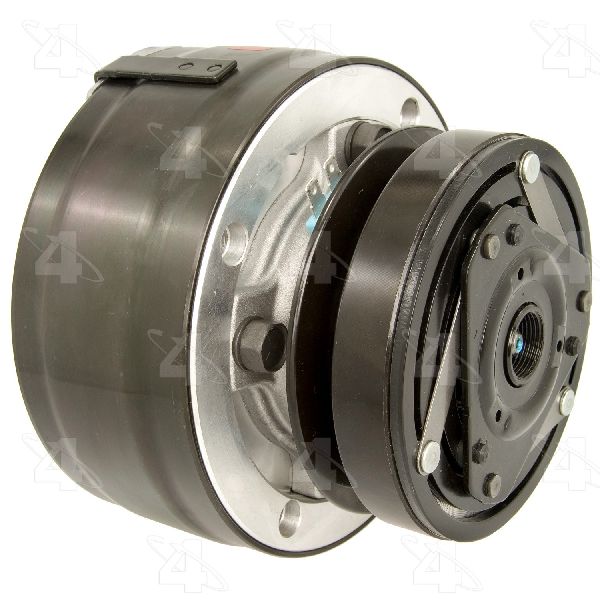
Compressor Type: Harrison / GM R4
We Have This Part in Stock

The information in this article is provided for general reference and educational purposes only. Vehicle specifications, procedures, and part compatibility can vary by production date, trim level, and region. Always consult your vehicle's factory service manual and verify part numbers before purchasing or performing repairs. Safety-critical components such as airbags, seat belts, and braking systems should be installed by a qualified professional.
- Chevrolet Camaro:
- 🎬 Helpful Videos
- 🛍️ Shop This Part
- Is Your Camaro's A/C Blowing Hot Air?
- Known Issues with the Factory GM R4 Compressor
- Pro Tip: R12 vs. R134a Refrigerant
- Choosing the Right Aftermarket Compressor
- Brand Quality Tiers
- Warning: Don't Just Replace the Compressor!
- A/C Compressor Replacement Cost for 1983-1988 Camaro
- Frequently Asked Questions (FAQ)
- 🎟️ Get 5% Off