

Choosing the Right Aftermarket Ignition Coil for Your 1983-1988 Dodge 600
Keep your classic Dodge running strong by understanding how to pick the best new ignition coil.
- A failing ignition coil will cause significant running problems like misfires, stalling, or a no-start condition.
- Replacement is a simple, DIY-friendly task that takes less than 30 minutes with basic tools.
- For a stock Dodge 600, a standard OEM-quality aftermarket brand like Standard Ignition or NGK is a more reliable choice than a high-performance brand.
- There are no specific recalls or TSBs for the ignition coil on the 1983-1988 Dodge 600.
Is Your Dodge 600's Ignition Coil Failing?
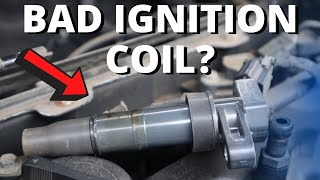
The ignition coil on these classic K-car platform vehicles is a hardworking part. After decades of heat and vibration, the original coil can weaken or fail entirely. Since it's a single point of failure for the whole ignition system, recognizing the symptoms early can prevent you from being stranded. 🎬 Watch this guide on identifying common ignition coil failure symptoms. Look out for common signs that your coil is on its way out.
Common Failure Symptoms
- Hard Starting or No-Start: A weak coil might not generate enough voltage to fire the spark plugs, especially when the engine is cold. A completely dead coil means the car won't start at all.
- Engine Misfires: You might feel the engine sputter, hesitate, or jerk during acceleration. This happens when the spark plugs don't get a consistent, strong spark.
- Rough Idle: The engine may shake or run unevenly when you're stopped at a light.
- Stalling: As the coil gets weaker, it can cause the engine to cut out completely, especially when it gets hot.
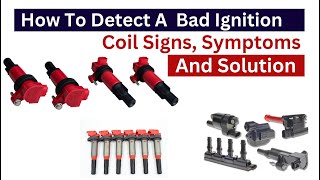
- Reduced Power & Fuel Economy: Your car may feel sluggish and you'll notice you're filling up the gas tank more often. 🎬 Learn more about the signs and solutions for bad coils.
Choosing the Right Aftermarket Ignition Coil
For a vehicle like the Dodge 600, new OEM (Original Equipment Manufacturer) parts from Mopar are often discontinued or very hard to find. Aftermarket parts are the most practical and available option. The quality of aftermarket coils ranges from basic economy replacements to high-performance upgrades. For a daily driver, a standard replacement is usually all that's needed.
Aftermarket Brand Tiers
Here’s a breakdown of the brands available to help you choose:
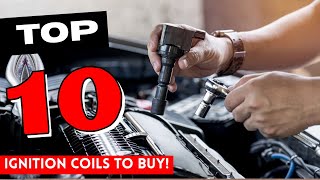
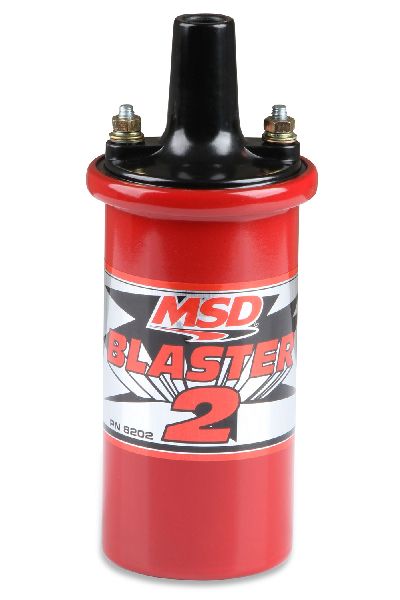
- Performance Brands (MSD, Accel): These brands are known for high-output ignition systems. They often claim to produce a hotter spark, which can be beneficial in modified engines, but is generally not necessary for a stock Dodge 600. 🎬 See a comparison of top-rated ignition coils for better performance. Some users report higher failure rates with performance brands compared to OEM-style replacements in daily-driver applications.
- OEM-Quality Brands (Standard Ignition, NGK, Spectra): Brands like Standard Motor Products (SMP) and NGK have a strong reputation for producing reliable parts that meet or exceed original specifications. They are an excellent choice for a dependable, long-lasting repair without paying for a performance name. Spectra is also a well-regarded manufacturer of standard replacement parts.
- Economy Brands (Global Parts): These are typically the most affordable options. While they will get your car running, their long-term durability may not match that of the higher-tiered brands. They can be a good choice for a budget-conscious repair.
Pro Tip: When replacing your ignition coil, it's also a good time to inspect your spark plugs and spark plug wires. A new coil won't perform its best if other ignition components are old and worn out.
Cost of a New Ignition Coil for a 1983-1988 Dodge 600
The cost can vary depending on the brand and where you buy it. Installation is a simple job that most DIY mechanics can do in under an hour.
| Part Type | Estimated Cost |
|---|---|
| New Aftermarket | $20.40 - $85.56 |
| Shop Labor | $50 - $100 |
| New OEM (Mopar) | $50 - $100+ (If available) |
Frequently Asked Questions
Can I replace the ignition coil myself?
Yes, this is a very DIY-friendly job. The ignition coil on a Dodge 600 is typically mounted on the fender or firewall and is easily accessible. It usually involves disconnecting the battery, unplugging two small wires and the main coil wire, and unbolting the coil from its bracket. The entire process can be done with basic hand tools in under 30 minutes.
Do I need a special 'performance' coil?
For a stock 1983-1988 Dodge 600, a standard, OEM-quality replacement coil is perfectly adequate. Performance coils from brands like MSD or Accel are designed for highly modified engines and won't provide a noticeable benefit for a standard daily driver. Sticking with a trusted brand like Standard Ignition or NGK is a reliable choice.
Are there any recalls for the Dodge 600 ignition coil?
There are no specific recalls or Technical Service Bulletins (TSBs) from the NHTSA related to the ignition coil itself for the 1983-1988 Dodge 600. While there were recalls for other ignition system components on different Chrysler vehicles over the years, the coil on the 600 was not part of a specific campaign.
What is the difference between an oil-filled and an epoxy-filled coil?
Traditional canister coils were filled with oil to help cool the internal windings. Modern replacement coils often use solid epoxy for better vibration resistance and heat transfer. For a stock replacement on a Dodge 600, either type will work fine, but epoxy-filled coils are generally considered more durable.
Helpful Videos
Technical Specifications
OEM Part Numbers: 4176009
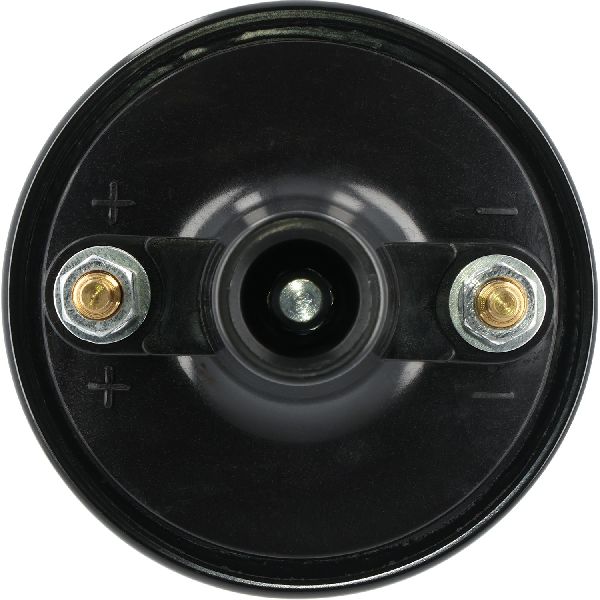
This vehicle uses a single, canister-style ignition coil that provides spark for a distributor-based ignition system. It is compatible with the 2.2L, 2.5L, and 2.6L 4-cylinder engines used in the Dodge 600.
We Have This Part in Stock


The information in this article is provided for general reference and educational purposes only. Vehicle specifications, procedures, and part compatibility can vary by production date, trim level, and region. Always consult your vehicle's factory service manual and verify part numbers before purchasing or performing repairs. Safety-critical components such as airbags, seat belts, and braking systems should be installed by a qualified professional.
- Dodge 600: