

Your Essential Guide to Spark Plugs for the 1983-1988 Dodge 600
Keep your classic Dodge 600 running smoothly by choosing the correct spark plugs for its specific engine.
- You must identify your engine (Chrysler 2.2L/2.5L or Mitsubishi 2.6L) to buy the correct spark plugs.
- For Chrysler engines, choose standard copper plugs from Champion or Autolite.
- For Mitsubishi engines, choose standard copper plugs from NGK or Denso.
- Always check and adjust the spark plug gap with a tool before installation.
Signs of Failing Spark Plugs
When spark plugs wear out, they can't create a strong, consistent spark. This leads to combustion problems you'll likely notice. If your Dodge 600 is experiencing these issues, it might be time for a new set of plugs.
- Rough Idle: The engine shakes or sputters when the car is stopped.
- Engine Misfires: You may feel a hesitation or stumble from the engine, especially during acceleration.
- Difficulty Starting: A weak spark makes it harder for the engine to turn over, particularly in cold or damp conditions.
- Reduced Fuel Economy: An inefficient spark means the engine burns more fuel to do the same amount of work.
- Sluggish Acceleration: If the car feels weak or slow to respond, old spark plugs could be the culprit.
Choosing the Right Aftermarket Spark Plug
For a vehicle like the 1983-1988 Dodge 600, choosing the right spark plug is simple once you know one key piece of information.
The Most Important Question: Which Engine Do You Have?
Dodge used engines from two different manufacturers in the 600. The correct spark plug brand depends on which engine is in your car. You will have either:
- A Chrysler-built 2.2L or 2.5L inline-4 engine.
- A Mitsubishi-built 2.6L inline-4 engine.
Check your vehicle's documentation or the emissions sticker under the hood to be sure. The original equipment (OEM) suppliers were different for these engines, and sticking close to the original design is the best strategy for this car's ignition system.
Brand Recommendations by Engine
For Chrysler 2.2L & 2.5L Engines:
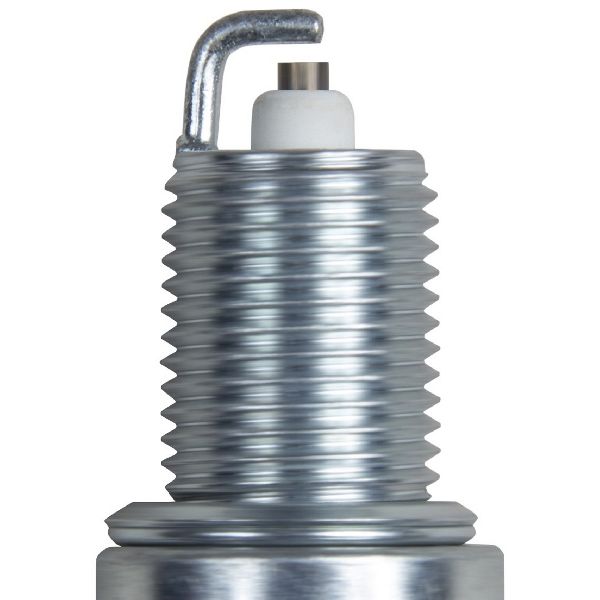
The original plugs were made by Champion. Their standard Champion Copper Plus plugs are an excellent, reliable choice that works perfectly with the factory ignition system. Autolite's standard copper plugs are also a solid, affordable alternative.
For Mitsubishi 2.6L Engines:
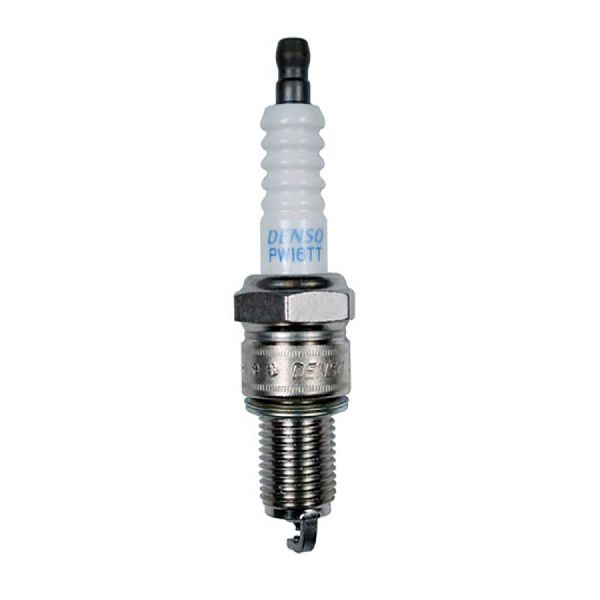
The original plugs were made by NGK or Denso. Standard plugs like the NGK V-Power or equivalent Denso copper plugs are the best match for this engine's design.
Are Expensive Plugs Better?
For this vehicle, the answer is no. The ignition system was designed for standard copper-core spark plugs. While more expensive platinum or iridium plugs will work and last longer, they will not provide a noticeable performance benefit to justify the extra cost. Sticking with fresh, quality copper plugs from the brands mentioned above is the most effective and economical choice.
| Plug Type | Recommended Brands | Notes |
|---|---|---|
| Standard Copper (Recommended) | Champion, Autolite, NGK, Denso | Best performance-to-price ratio. Matches original equipment design. Replace every 20,000-30,000 miles. |
| Platinum | Bosch, Autolite, Denso | Longer life (up to 60,000 miles) but more expensive and offers no real performance gain on this engine. |
| Iridium | NGK, Denso | Maximum lifespan but significantly more expensive. Generally considered unnecessary for this vehicle. |
Known Issues, Recalls, or TSBs
Searches of the National Highway Traffic Safety Administration (NHTSA) database and other technical resources show no specific recalls or Technical Service Bulletins (TSBs) related to spark plugs for the 1983-1988 Dodge 600. Any failures are typically due to normal wear and tear over time.
Frequently Asked Questions (FAQ)
How often should I change the spark plugs?
If you use standard copper-core spark plugs, which are recommended, you should plan on replacing them every 20,000 to 30,000 miles to keep the engine running at its best.
What is a spark plug gap and why does it matter?
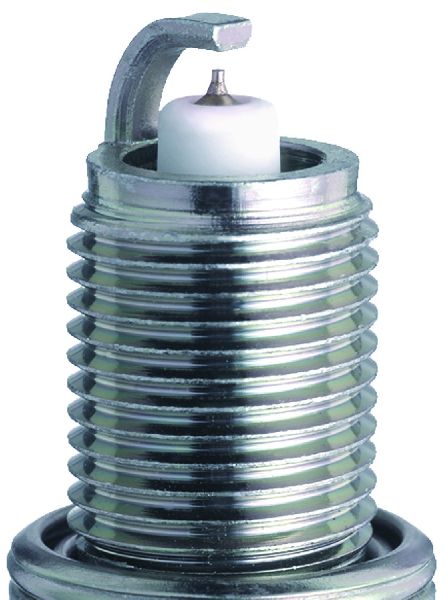
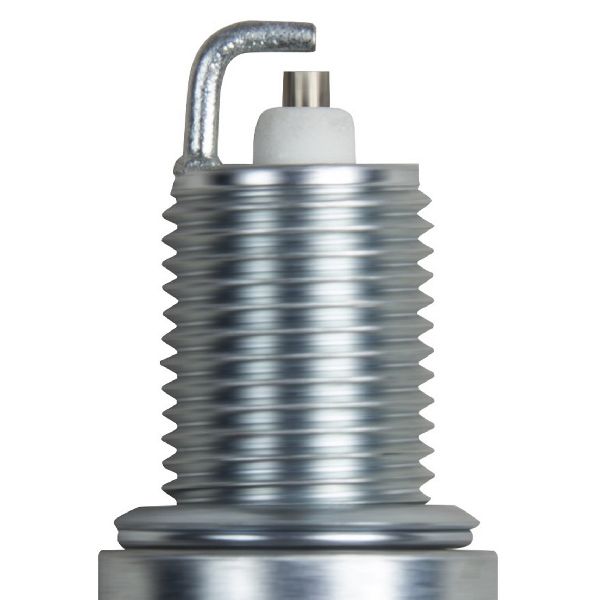
The gap is the tiny space between the two electrodes at the tip of the plug. The spark must jump this gap to ignite the fuel. An incorrect gap can cause misfires, poor fuel economy, and rough running. Even if plugs are advertised as "pre-gapped," you should always double-check and adjust them with a gapping tool before installation.
What tools do I need to change my spark plugs?
Replacing plugs on these engines is a simple job. You will need a ratchet, a spark plug socket (usually 5/8"), an extension, and a spark plug gapping tool. Dielectric grease for the plug boots is also highly recommended.
What is a spark plug non-fouler and do I need one?
A non-fouler is an adapter that moves the spark plug slightly out of the combustion chamber. They are sometimes used on older engines that burn oil to prevent the oil from fouling the spark plug. If your engine is worn and you constantly have oil-fouled plugs, a non-fouler might be a temporary solution, but it does not fix the underlying engine issue.
Technical Specifications
Specifications vary by engine. For the Chrysler 2.2L/2.5L engines, a common plug is a standard resistor-type with a 14mm thread. For the Mitsubishi 2.6L, a different plug is required. A representative gap for the 2.2L engine is around 0.044 inches, but always confirm the specification for your exact year and engine before gapping new plugs.
We Have This Part in Stock

The information in this article is provided for general reference and educational purposes only. Vehicle specifications, procedures, and part compatibility can vary by production date, trim level, and region. Always consult your vehicle's factory service manual and verify part numbers before purchasing or performing repairs. Safety-critical components such as airbags, seat belts, and braking systems should be installed by a qualified professional.
- Dodge 600: