

1983-1988 Dodge Charger Ignition Knock Sensor: A Guide to Symptoms and Replacement
Protect your Charger's engine from damaging detonation by choosing the right aftermarket knock sensor.
- A bad knock sensor can cause poor performance, bad fuel economy, and potentially severe engine damage if ignored.
- Key symptoms include a Check Engine Light (P0325), audible engine pinging, and reduced power.
- For this older vehicle, a high-quality aftermarket brand like Standard Ignition is a reliable choice.
- Proper installation is critical; the sensor must be torqued to specification on a clean surface to function correctly.
Is Your 1983-1988 Dodge Charger Knock Sensor Failing?
A faulty knock sensor can't properly detect detonation, leaving your engine vulnerable. The engine computer may also receive a false signal, causing it to adjust timing incorrectly, which hurts performance and fuel economy. Because these sensors can weaken over time, replacement is sometimes necessary to restore proper engine function.
Key Failure Symptoms
- Check Engine Light: A common first sign is the check engine light on your dashboard. The computer will likely store a fault code, such as P0325.
- Audible Engine Knock: You might hear a metallic pinging or knocking sound, especially when accelerating or going up hills.
- Poor Engine Performance: A bad sensor can lead to a noticeable loss of power, hesitation during acceleration, and a general sluggish feeling.
- Reduced Fuel Economy: When the engine's timing isn't optimized, it burns fuel less efficiently, leading to more trips to the gas station.
Known Issues & Recalls
Our search of the NHTSA database and technical service bulletins (TSBs) found no specific recalls or widespread issues directly related to the ignition knock sensor for the 1983-1988 Dodge Charger. An emissions-related recall was issued in 1985 for some models, but it does not pertain to this sensor. Most issues are related to normal part failure due to age and heat cycles.
Choosing the Right Aftermarket Knock Sensor
For an older vehicle like the '83-'88 Charger, OEM parts can be difficult to find. The aftermarket offers several options that can restore function. The quality can vary, so it's important to choose wisely.
- Standard Ignition (Standard Motor Products): Often regarded as a top-tier aftermarket brand, SMP is a reliable choice for engine management sensors. They are known for meeting OEM specifications and are a safe bet when an original part isn't available.
- Walker Products: Walker is an established brand in engine management parts and claims its sensors are built to meet or exceed OE standards for fit and function. Customer reviews are generally positive but mixed, so ensure you are buying from a reputable seller.
- Global Parts: While less is known about their specific sensor quality, Global Parts is a distributor of various automotive components. General reviews for the brand are positive regarding part fitment and service.
Pro Tip: For critical sensors like this, avoid the cheapest unbranded options. Forum discussions frequently highlight that generic sensors can have incorrect electrical tolerances, leading to persistent check engine lights or poor performance. Sticking with a reputable brand like Standard Ignition is a worthwhile investment.
Cost of Replacing a Dodge Charger Knock Sensor
| Part Type | Estimated Cost |
|---|---|
| New Aftermarket Part | $42.86 - $98.11 |
| Shop Labor | $60 - $180 |
Cost estimates are based on typical labor rates and may vary by location and the specific engine in your Charger. The sensor is typically on the engine block, but access can sometimes require removing other components.
Frequently Asked Questions (FAQ)
Can I replace the knock sensor myself?
Yes, this is a DIY-feasible job for many home mechanics. The sensor is usually bolted to the side of the engine block. The main challenge is access. You will need to safely lift the vehicle, locate the sensor, disconnect the electrical connector, and unbolt it. It is critical to clean the mounting surface and torque the new sensor to the correct specification (often around 15 ft-lbs) for it to work properly.
What happens if I ignore a bad knock sensor?
Ignoring a bad knock sensor can lead to long-term engine damage. Without its input, the engine computer can't protect against detonation, which can damage pistons and other internal components. You will also experience poor performance and fuel economy.
Where is the knock sensor located on my 1983-1988 Charger?
The knock sensor is typically located on the engine block, often below the intake or exhaust manifolds. On Chrysler's 2.2L engines from this era, it is commonly found screwed into the block underneath the intake manifold. You may need a repair manual for your specific engine (1.6L, 1.7L, or 2.2L) to find the exact location.
Do I need to replace the wiring harness with the sensor?
It's not always required, but it's a good idea to inspect the wiring and connector for any signs of damage, corrosion, or brittleness from age and heat. A bad connection can cause the same symptoms as a failed sensor. If the wiring is compromised, it should be repaired or replaced.
Technical Specifications
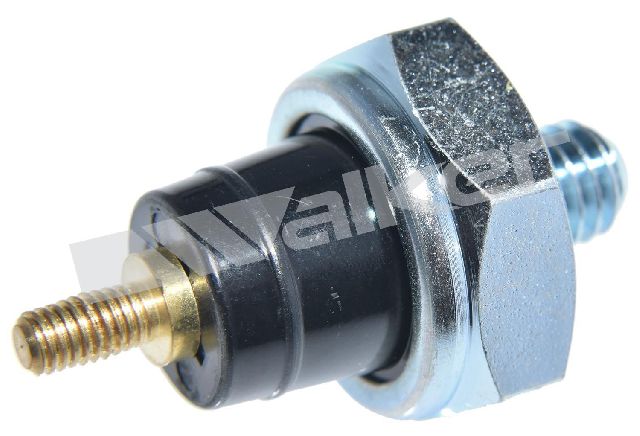
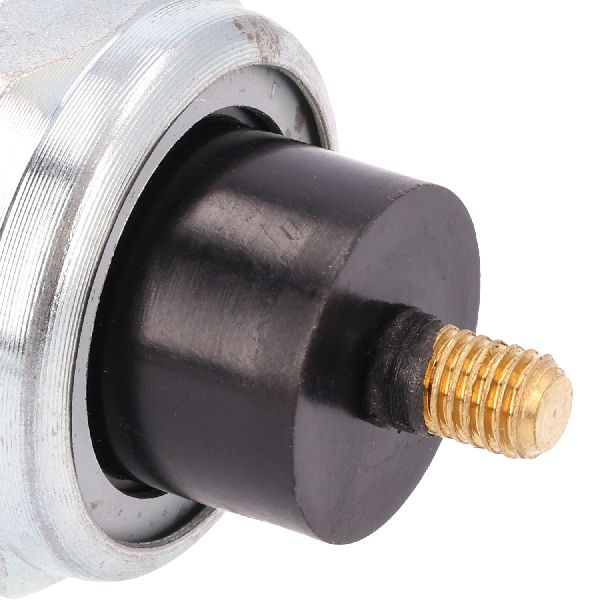
The knock sensor for this vehicle is a single-terminal, piezoelectric sensor that bolts to the engine block. It generates a voltage signal in response to specific vibration frequencies associated with engine knock.
We Have This Part in Stock


The information in this article is provided for general reference and educational purposes only. Vehicle specifications, procedures, and part compatibility can vary by production date, trim level, and region. Always consult your vehicle's factory service manual and verify part numbers before purchasing or performing repairs. Safety-critical components such as airbags, seat belts, and braking systems should be installed by a qualified professional.
- Dodge Charger: