

1983-1988 Dodge Charger Oxygen Sensor: A Comprehensive Guide
Everything a Dodge Charger owner needs to know about choosing the right new aftermarket oxygen sensor.
- A failing oxygen sensor will cause poor fuel economy, rough running, and will trigger the Check Engine light with Code 21.
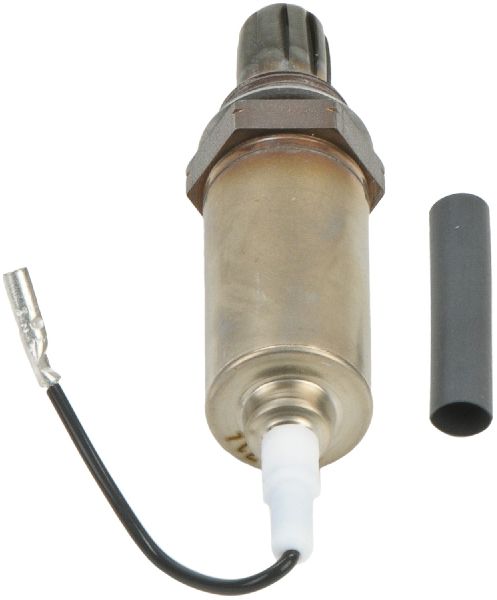
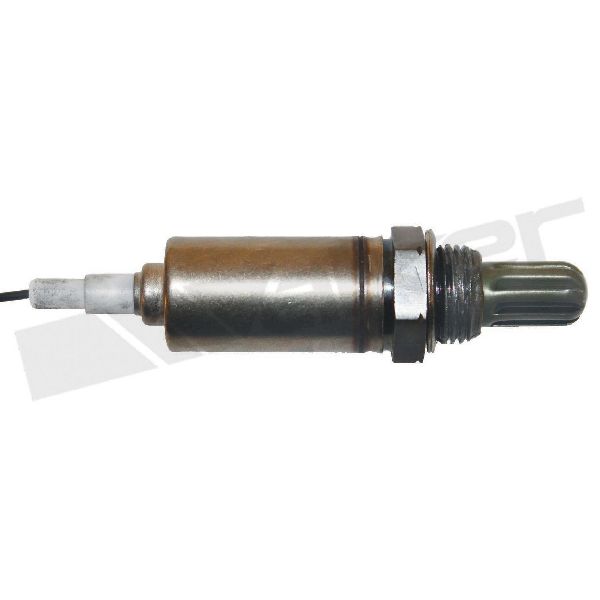
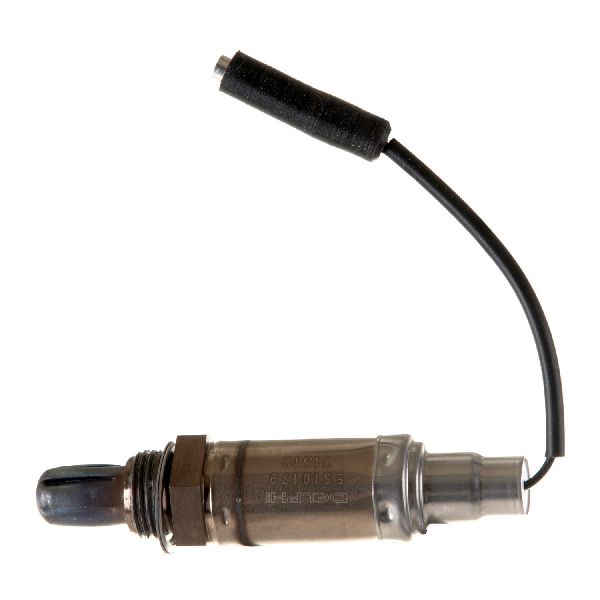
- Choose a direct-fit aftermarket sensor from a reputable brand like Bosch, Denso, NGK, Delphi, or Walker.
- Replacement is simple and inexpensive, but ignoring a bad sensor can lead to costly catalytic converter damage.
- For this vehicle, there is only one oxygen sensor, located in the exhaust manifold before the catalytic converter.
Symptoms of a Failing Oxygen Sensor
When the oxygen sensor in your Charger starts to fail, it can cause several noticeable issues. Because these cars use an early version of engine computer controls, the symptoms can sometimes be subtle at first, but will worsen over time.
- Check Engine Light: On these OBDI vehicles, a failing O2 sensor is a common reason for the "Check Engine" light to come on. The most common code is Code 21.
- Poor Fuel Economy: If the sensor provides bad data, the engine computer might enrich the fuel mixture, causing you to use more gas than necessary.
- Rough Idle and Poor Performance: An incorrect air-fuel mixture can lead to a rough or shaky idle, hesitation when you accelerate, and a general feeling of sluggish performance.
- Failed Emissions Test: A bad O2 sensor will cause the engine to run rich, leading to high levels of carbon monoxide (CO) in the exhaust, which will cause you to fail an emissions test.
- Rotten Egg Smell: In some cases, an overly rich fuel mixture can overwhelm the catalytic converter, producing a sulfur-like or rotten egg smell from the exhaust.
Choosing the Right Aftermarket Oxygen Sensor
For a vehicle like the 1983-1988 Dodge Charger, original Mopar parts are often discontinued or very hard to find. Aftermarket brands offer high-quality, direct-fit replacements that meet or exceed original specifications. The key is choosing a reputable brand.
A Note on Universal vs. Direct-Fit
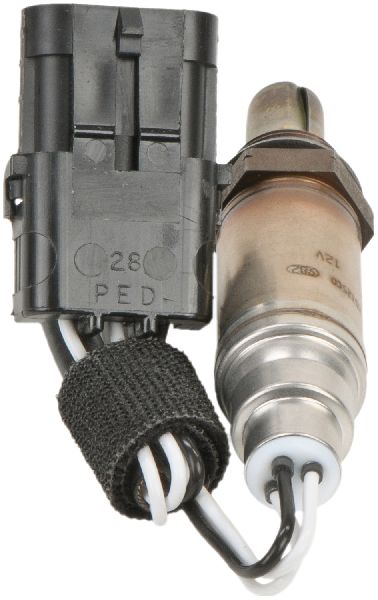
Always choose a "direct-fit" sensor for your Charger. These come with the correct electrical connector already installed. "Universal" sensors require you to cut and splice wires, which can lead to connection problems and incorrect readings. Given the low cost of direct-fit sensors, the savings are not worth the potential headache.
Brand Tiers for Your Charger
The brands available offer a good range of quality and value. For a critical sensor like this, it's wise to stick with well-known manufacturers.
- Premium Tier (Bosch, Denso, NGK/NTK): These brands are often the original equipment (OEM) suppliers for many car manufacturers and have a reputation for excellent quality and longevity. Bosch invented the automotive oxygen sensor and is a very reliable choice. Denso and NGK (also known as NTK for their sensor line) are also top-tier choices known for their reliability and performance.
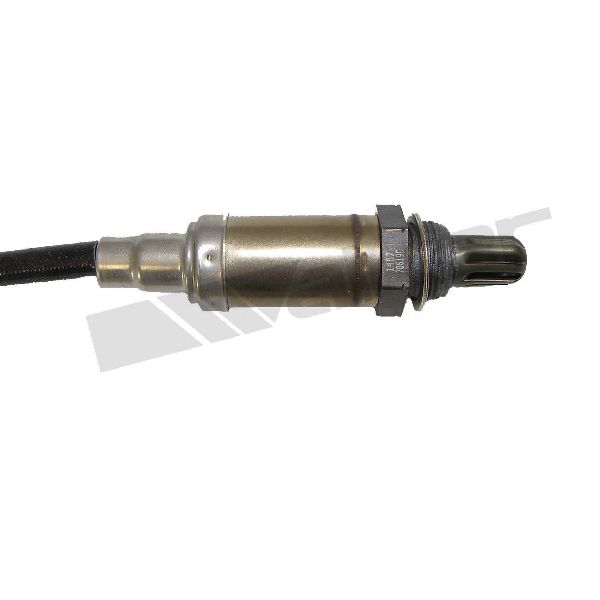
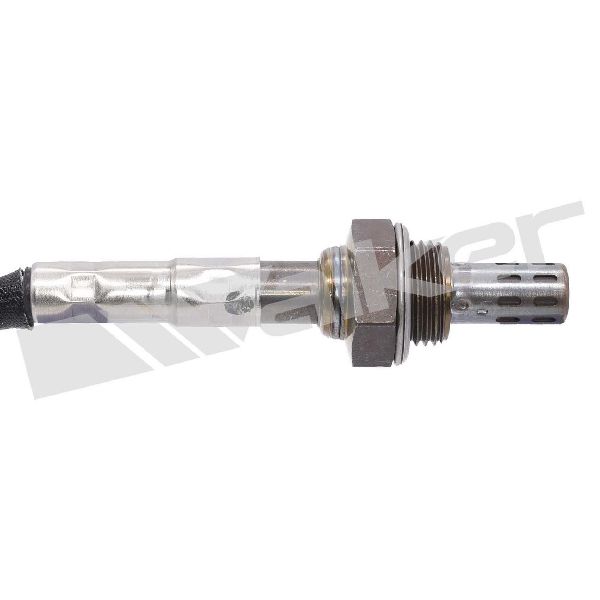
- Standard Tier (Delphi, Walker Products): These brands provide a great balance of quality and affordability. Delphi is a former GM parts division with a long history of producing reliable electronic components. Walker Products specializes in exhaust and emission parts and is a trusted name in the aftermarket. Many users report good experiences with Walker sensors as a cost-effective alternative to premium brands.
Pro Tip: Heated vs. Unheated Sensors
Your original Charger likely came with a simple one- or two-wire unheated oxygen sensor. Some aftermarket kits offer an upgrade to a heated four-wire sensor. A heated sensor gets up to operating temperature much faster, which allows the engine to enter "closed-loop" mode sooner. This improves fuel economy and reduces emissions during warm-up. For the small price difference, a heated sensor can be a worthwhile upgrade.
Typical Replacement Costs
The cost to replace the oxygen sensor on a 1983-1988 Charger is very reasonable. The part itself is affordable, and the labor is straightforward for a mechanic.
| Item | Estimated Cost |
|---|---|
| New Aftermarket O2 Sensor | $39.12 - $78.87 |
| Shop Labor | $50 - $125 |
| Total Professional Installation | $89 - $204 |
Frequently Asked Questions
Can I replace the oxygen sensor myself?
Yes, this is a very DIY-friendly job. The sensor is usually screwed into the exhaust manifold and is easy to access. The main challenge can be removing the old sensor if it's rusted in place. You will need a special oxygen sensor socket, which has a slot for the wire, and some penetrating oil to help loosen it. Always apply anti-seize compound to the threads of the new sensor before installation.
How many oxygen sensors does my Charger have?
Vehicles from this era, like your Dodge Charger, typically have only one oxygen sensor. It is located "upstream" of the catalytic converter, usually in the exhaust manifold.
Are there any recalls for the oxygen sensor on this car?
There are no specific recalls or Technical Service Bulletins (TSBs) found related to the oxygen sensor for the 1983-1988 Dodge Charger. There was a recall in 1985 for general exhaust emissions compliance on 1983-1985 models, but it did not specifically name the oxygen sensor as the faulty component.
What happens if I don't replace a bad oxygen sensor?
Continuing to drive with a bad oxygen sensor will cause poor fuel economy and performance. More importantly, the rich fuel mixture can eventually damage your catalytic converter, which is a much more expensive repair.
Technical Specifications
Typically a single-wire or three/four-wire heated sensor with a direct-fit connector, depending on the specific engine and year. Located in the exhaust manifold.
We Have This Part in Stock

The information in this article is provided for general reference and educational purposes only. Vehicle specifications, procedures, and part compatibility can vary by production date, trim level, and region. Always consult your vehicle's factory service manual and verify part numbers before purchasing or performing repairs. Safety-critical components such as airbags, seat belts, and braking systems should be installed by a qualified professional.
- Dodge Charger: