

A Guide to the 1983-1988 Ford Thunderbird Fuel Injection Pressure Regulator
Solve common fuel system problems and restore performance in your Turbo Coupe, V6, or 5.0 V8 Thunderbird.
- The easiest way to confirm a bad regulator is to check its vacuum line for the presence of raw fuel.
- Replacement on the 5.0L V8 is known to be difficult due to the regulator's location and the bolts that hold it in place.
- Driving with a leaking fuel pressure regulator is a fire hazard and should be repaired immediately.
- For a stock vehicle, choose a quality fixed-pressure aftermarket brand like Delphi or Standard over an adjustable one.
Is Your Thunderbird's Fuel Pressure Regulator Failing?
A bad fuel pressure regulator (FPR) can cause a range of confusing problems, from poor performance 🎬 Watch: Common symptoms of a failing regulator on these engines to a no-start condition. Because these Thunderbirds use a vacuum-controlled regulator, there are two main ways it can fail: the internal diaphragm can rupture, or the internal spring can weaken or get stuck.
The "Smoking Gun" Test
The most definitive sign of a failed regulator is a ruptured diaphragm. To check this, locate the regulator on the fuel rail. Find the small rubber vacuum hose attached to it, pull it off, and inspect the port. If you see or smell raw gasoline in the vacuum line, the regulator is bad and must be replaced. This means fuel is being sucked directly into your engine, causing a dangerously rich condition and a serious fire hazard.
Common Symptoms of Failure
- Black Smoke from Exhaust: This happens when a ruptured diaphragm leaks raw fuel into the engine, causing it to run extremely rich.
- Hard Starting or Long Cranking: A weak regulator may not hold pressure when the car is off, meaning the fuel pump has to re-pressurize the system every time you start it.
- Poor Acceleration and Hesitation: If the regulator is stuck open, it can't build enough pressure for acceleration, starving the engine of fuel when it needs it most.
- Rough Idle and Stalling: Incorrect fuel pressure, either too high or too low, will confuse the engine computer and lead to an unstable idle.
- Reduced Fuel Economy: A leaking or stuck-closed regulator wastes fuel, leading to more frequent stops at the gas station.
- Fuel Smell: You may smell raw fuel, especially under the hood, if the diaphragm has failed.
Related Safety Recalls
While there are no specific recalls for the fuel pressure regulator on these models, Ford did issue recalls for potential fuel leaks on 1983 models with the 2.3L Turbo and 3.8L engines due to bad fuel line connections and tank welds. A leaking regulator presents a similar fire risk and should be addressed immediately.
Choosing the Right Aftermarket Regulator
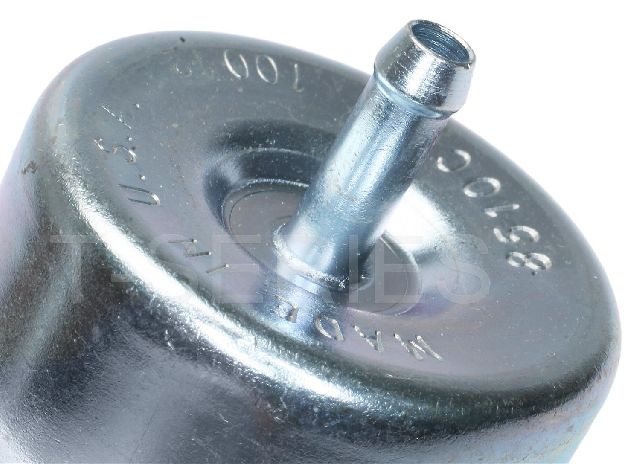
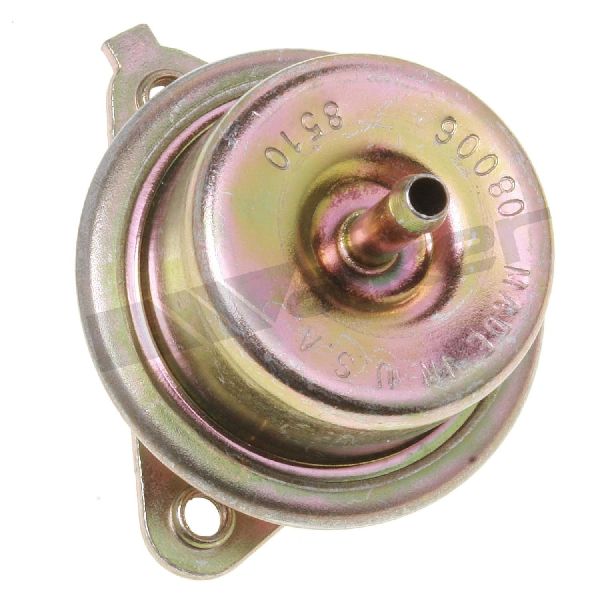
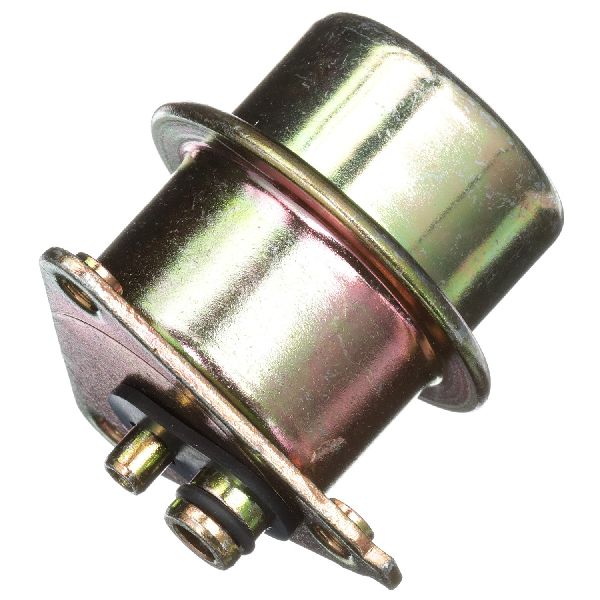
Since original Motorcraft parts are often discontinued for vehicles of this age, the aftermarket is your best option. Quality matters here; a cheap, poorly made regulator can fail quickly or not perform to OE specifications. The brands are generally tiered by quality and reputation.
- Premium Brands (Delphi, Standard Ignition): Delphi is a well-known original equipment manufacturer for many car brands, and their parts are typically built to a high standard. Standard Motor Products (SMP), the maker of the Standard and True-Tech lines, is also considered a top-tier aftermarket supplier. For maximum reliability, these brands are a solid choice.
- Standard Brands (Walker Products, True-Tech): Walker Products specializes in fuel and engine management parts and manufactures its components in certified facilities to meet or exceed OEM standards. True-Tech is a line from SMP that offers a balance of quality and value. These brands are reliable, cost-effective solutions for daily drivers.
Replacement Cost
The cost to replace the fuel pressure regulator depends on whether you do it yourself or use a professional mechanic. The part itself is affordable, but labor can add to the cost, especially on the V8 models where access is tight.
| Item | Estimated Cost |
|---|---|
| New Aftermarket Regulator | $51 - $87 |
| Shop Labor | $150 - $225 |
| Total Estimated Cost | $201 - $312 |
Frequently Asked Questions (FAQ)
Where is the fuel pressure regulator located on my Thunderbird?
The regulator is mounted directly on the engine's fuel rail. On the 5.0L V8, it is located at the rear of the engine, near the firewall, which makes it difficult to access. On 2.3L and 3.8L models, its location may vary but will always be on the fuel rail.
Can I replace this part myself?
Yes, this is a DIY-feasible job for someone with mechanical experience, but it can be frustrating. The 5.0L V8 models are known for being particularly difficult because the regulator is held by three Allen bolts on the underside that are hard to reach. You will need tools like a small ratcheting screwdriver with hex bits. 🎬 See this step-by-step guide for diagnosing and installing a new regulator You must also safely relieve the fuel system pressure before starting.
How do I test my fuel pressure regulator?
The easiest check is to pull the vacuum line off the regulator and look for fuel, as mentioned above. The proper way involves connecting a fuel pressure gauge to the Schrader valve on the fuel rail. With the engine running, you should see ~32 PSI at idle. When you disconnect the vacuum line, the pressure should jump to 40-45 PSI. If the pressure is wrong or doesn't change, the regulator is likely bad.
🎬 Watch: How to properly test fuel system pressure with a gaugeIs an adjustable fuel pressure regulator better?
For a stock or lightly modified engine, a standard, fixed-pressure aftermarket regulator is all you need. Adjustable regulators are for highly modified engines where fuel maps and injector sizes have been changed, requiring a custom fuel pressure setting. Installing one on a stock engine can cause more problems than it solves if not tuned correctly.
Helpful Videos
Technical Specifications
OEM Part Numbers: E3ZZ-9C968-B E6ZZ-9C968-A E7SZ-9C968-A
System Pressure: Approx. 32 PSI at idle (vacuum applied), 40-45 PSI at wide-open throttle (no vacuum).
We Have This Part in Stock


The information in this article is provided for general reference and educational purposes only. Vehicle specifications, procedures, and part compatibility can vary by production date, trim level, and region. Always consult your vehicle's factory service manual and verify part numbers before purchasing or performing repairs. Safety-critical components such as airbags, seat belts, and braking systems should be installed by a qualified professional.
- Ford Thunderbird: