

Jaguar XJS V12 Ignition Coil Guide: 1983-1988 Models
Solve common no-start and misfire issues by understanding the unique ignition coil setup in your V12 engine.
- Symptoms of failure include no-start, stalling when hot, misfires, and poor performance.
- Replacing the original dual-coil setup with a single aftermarket coil (DAC6093 style) is a common and recommended reliability upgrade.
- The ignition amplifier is a very common failure point and its symptoms mimic a bad coil; check it before replacing the coil.
- The replacement is DIY-friendly and a good opportunity to inspect aging ignition wires and grounds.
Is Your Jaguar XJS Ignition Coil Failing?
The ignition system on the 1983-1988 Jaguar XJS V12 is a known source of trouble that can leave you stranded. The original Lucas components, especially the ignition coil and amplifier, are sensitive to the high under-hood temperatures of the V12 engine. When the coil begins to fail, it can't produce enough voltage, leading to serious running problems.
Symptoms of a Bad Ignition Coil
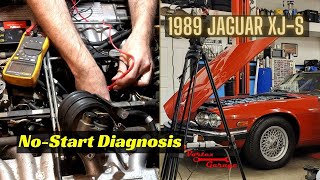
- No-Start Condition: The engine cranks but will not fire up. This is the 🎬 See these diagnosis steps for a Jaguar V12 that won't run most common symptom of a completely failed coil.
- Engine Misfires: The car may shudder or hesitate, especially under acceleration, as cylinders fail to ignite properly.
- Stalling When Hot: A coil can work when cold but fail as engine bay temperatures rise, causing the car to stall and refuse to restart until it cools down.
- Rough Idle: An inconsistent spark can lead to a rough and unstable idle.
- Loss of Power: You may notice a significant drop in engine performance and fuel efficiency.
Don't Mistake This Common Failure
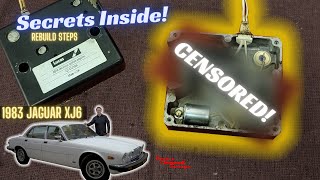
The ignition amplifier, located in the hot valley between the cylinder banks, is a very frequent failure point on the V12. Its symptoms—stalling when hot, no-start, and misfiring—are nearly identical to a bad coil. Many owners replace the coil only to find the problem is the amplifier module (a common GM HEI part inside the finned aluminum casing). It is wise 🎬 Watch: How to rebuild the Lucas AB14 ignition amplifier to test or replace the amplifier before or during a coil replacement.
Choosing the Right Aftermarket Coil
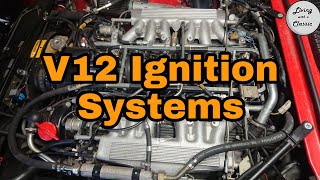
For the 1983-1988 XJS V12, choosing an aftermarket part is often an upgrade, not a compromise. The original dual-coil system is complex 🎬 Watch: A deep dive into Jaguar V12 ignition systems and prone to age-related failure.
- The Single-Coil Conversion: The most recommended path by XJS specialists and owners is to replace the original two coils with a single, modern-style coil. This simplifies wiring, removes potential failure points, and uses more reliable technology. Look for an aftermarket coil that is a direct replacement for Jaguar part number DAC6093.
- Aftermarket Quality (Standard Ignition): Aftermarket brands like Standard Ignition produce reliable replacement coils that meet or exceed the original specifications. For this specific vehicle, the community focuses more on the benefit of the single-coil conversion itself rather than a specific brand. A quality aftermarket part is considered a smart, reliable choice.
Pro Tip: Check Your Wires and Grounds
While you are working on the ignition system, inspect all related wiring for cracking and brittleness due to heat and age. Also, check and clean the main engine ground straps. Poor grounds can cause weak spark and a host of other electrical issues that mimic coil failure.
| Part Type | Estimated Cost |
|---|---|
| New Aftermarket (e.g., Standard Ignition) | $41.67 - $145.02 |
| Shop Labor | $100 - $200 |
Frequently Asked Questions
My car has two coils. Should I replace them with one?
Yes. This is a highly recommended upgrade. The original dual-coil system was an early solution to a high-RPM spark problem. A modern, single electronic ignition coil (equivalent to Jaguar part DAC6093) is more reliable and simplifies the system.
Is the original Lucas coil better than aftermarket?
No. While originality is important for some, the Lucas ignition components for this era have a poor reputation for reliability, often failing due to heat. A quality aftermarket single coil is widely considered a reliability upgrade for the XJS V12.
Can I replace the ignition coil myself?
Yes, this is a job most DIY mechanics can handle. The coil is typically easy to access. The job involves disconnecting the battery, labeling and removing a few electrical connectors and the main high-tension lead, and unbolting the coil bracket. If converting from two coils to one, you may need to change a wire terminal, but the process is straightforward.
Are there any recalls on the XJS ignition coil?
No, there are no specific NHTSA recalls for the ignition coil on the 1983-1988 Jaguar XJS. Any recalls found are typically for much newer models or different vehicle systems.
Helpful Videos

Technical Specifications
OEM Part Numbers: DAC6093 DAC3041 DAC2945 DAC3477
For 1983-1988 V12 models with the Lucas Constant Energy Ignition system. A single, low-impedance electronic ignition coil is the standard replacement for the original single or dual coil setups.
We Have This Part in Stock


The information in this article is provided for general reference and educational purposes only. Vehicle specifications, procedures, and part compatibility can vary by production date, trim level, and region. Always consult your vehicle's factory service manual and verify part numbers before purchasing or performing repairs. Safety-critical components such as airbags, seat belts, and braking systems should be installed by a qualified professional.
- Jaguar XJS: