

Jeep J10 Engine Oil Pressure Switch & Sender Guide (1983-1988)
Understanding the common failure points of your J10's oil pressure gauge and how to choose the right replacement part.
- The correct part is an oil pressure 'sending unit' for a gauge, not a 'switch' for a light.
- Erratic gauge behavior (maxed out, zero, or bouncing) is the number one sign of a bad sender.
- This is a simple, low-cost DIY repair that can be completed in under 30 minutes with basic tools.
- Always check for leaks and proper gauge function after installation.
Is it a Switch or a Sending Unit?
For your 1983-1988 Jeep J10, which is equipped with an oil pressure gauge on the dashboard, the correct part is an oil pressure sending unit (sometimes called a sender or sensor). A simple oil pressure 'switch' is designed for vehicles with only a warning light. Using the wrong part will result in an incorrect or non-functioning gauge. Many parts stores use the terms interchangeably, so it's important to verify you are buying a sending unit for a gauge, not a switch for a light.
Symptoms of a Failing Oil Pressure Sender
A bad oil pressure sender is a very common issue on older Jeeps. The first sign of trouble is usually the gauge on your dashboard acting strangely. Before you worry about a major engine problem, look for these classic symptoms of a failed sender:
- Gauge Reads Zero or Maxed Out: The needle might drop to zero or peg itself past the highest reading, even when the engine is running fine. A gauge reading over 80 PSI with the engine off is a definite sign of a bad sender.
- Erratic and Fluctuating Readings: The needle may bounce around wildly and unpredictably while you are driving at a steady speed.
- Gauge is Slow to Respond or Stuck: The gauge might not move when you start the truck, and then suddenly jump up after you've been driving for a bit.
- Visible Oil Leak from the Sender: The sensor itself can develop leaks. If you see oil seeping from the plastic or metal housing of the sender, it needs to be replaced immediately.
Pro Tip: If your oil pressure gauge drops to zero but your engine isn't making any loud knocking or clattering noises, the problem is almost certainly the sending unit, not a lack of actual oil pressure. An engine without oil pressure is very loud and will fail quickly.
Choosing the Right Aftermarket Brand
For a vintage truck like the J10, OEM parts are long gone. The aftermarket is your only option, but quality can vary. Based on owner experiences with similar-era Jeeps, here’s a breakdown of what to expect from the available brands:
- Standard Ignition (SMP): Often regarded as a higher-quality aftermarket supplier. They have a long history of producing reliable electronic components. If available, this is often a safe bet.
- Crown Automotive: A very popular brand that specializes in Jeep parts. Quality can sometimes be inconsistent according to forum discussions, but they are widely used and often the most available option. Many owners use them with success. They typically come with a 12-month/12,000-mile warranty.
- Rostra Powertrain & Global Parts: These are generally considered standard-grade replacement parts. They may be more budget-friendly but have less of a proven track record in enthusiast communities compared to Standard or Crown. They can be a viable option if budget is the primary concern.
Important: Some replacement senders come with a thread sealant pre-applied. If yours does not, you must use Teflon tape or a suitable liquid thread sealant on the threads to prevent oil leaks. However, do not use any sealant on a sender that grounds through its threads, as this can interfere with the gauge reading. Check the part's instructions.
| Part Type | Price Range | Notes |
|---|---|---|
| New Aftermarket | $14.41 - $51.15 | Your primary option. Price varies by brand and features. |
| New OEM (NOS) | N/A | New Old Stock parts are virtually impossible to find and not practical. |
| Used OEM | $10 - $30 | Not recommended. You are likely buying a part that is already at or near the end of its service life. |
| Shop Labor | $50 - $100 | This is a quick job for a professional, typically taking less than an hour. |
Frequently Asked Questions (FAQ)
Where is the oil pressure sender located on my Jeep J10?
On the AMC V8 (like the 360) and I6 (like the 258) engines, the oil pressure sending unit is typically located on the driver's side of the engine block, near the oil filter and distributor. It can be in a tight spot, sometimes tucked behind a header or motor mount, but is accessible from underneath or the side of the vehicle.
Can I replace the oil pressure sender myself?
Yes, this is a very DIY-friendly job. It usually requires basic hand tools, such as a wrench or a special oil pressure switch socket. The process involves disconnecting the battery, unplugging the single wire, unscrewing the old sender, applying sealant to the new one, and installing it. The entire job can typically be done in under 30 minutes.
My new sender has a different electrical connector. What do I do?
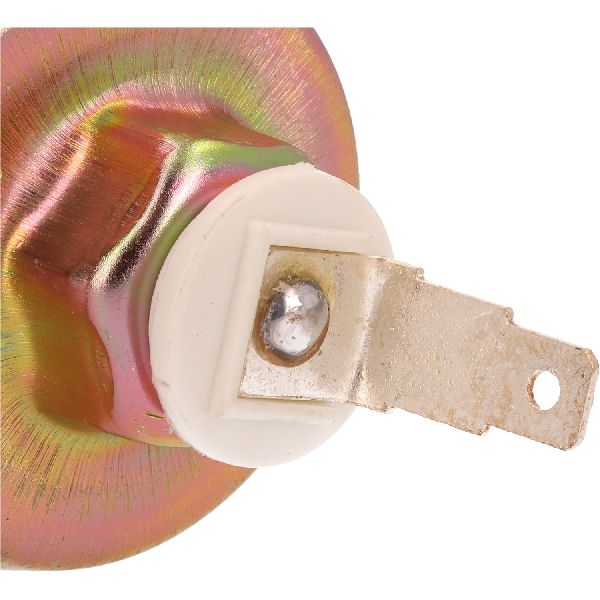
This is a common situation with replacement parts for older vehicles. The original may have had a spade connector, while a replacement might have a post or a button-style connector. You may need to cut off your old harness connector and crimp on a new ring or spade terminal that matches your new sending unit. This is a simple wiring task.
Is it safe to drive with a bad oil pressure sender?
You can, but it is not recommended for long. While the sender itself won't damage the engine, it provides vital information. If it's not working, you will have no warning of a real and catastrophic loss of oil pressure. It's a cheap and easy part to replace for peace of mind.
Are there any recalls for the oil pressure switch on the 1983-1988 Jeep J10?
No, there are no recalls or technical service bulletins (TSBs) issued by Jeep or the NHTSA for the engine oil pressure sending unit on the 1983-1988 Jeep J10. Any failures are due to the age and normal wear of the component.
Technical Specifications
OEM Part Numbers: J3212004
Typically a single-wire unit that provides a variable resistance signal to the dashboard gauge. The unit grounds through its threaded body into the engine block.
We Have This Part in Stock


The information in this article is provided for general reference and educational purposes only. Vehicle specifications, procedures, and part compatibility can vary by production date, trim level, and region. Always consult your vehicle's factory service manual and verify part numbers before purchasing or performing repairs. Safety-critical components such as airbags, seat belts, and braking systems should be installed by a qualified professional.
- Jeep J10: