

Engine Timing Set Guide for the 1983-1988 Pontiac Grand Prix
Is your Grand Prix engine rattling or running rough? It might be time for a new timing set.
- The original factory timing sets with nylon-coated gears are a known failure point; upgrading to an all-metal aftermarket set is essential for reliability.
- Symptoms of failure include engine rattle, rough running, and loss of power.
- Do not drive if you suspect a bad timing chain, as complete failure can cause catastrophic engine damage.
- For stock engines, brands like Melling and Cloyes offer excellent heavy-duty replacements, while Edelbrock is a top choice for high-performance builds.
Is Your Grand Prix's Timing Set a Ticking Time Bomb?
If you own an 1983-1988 Pontiac Grand Prix, the original timing set in your engine has a known weak spot. From the factory, General Motors often used a camshaft gear with nylon or plastic teeth. This was done to make the engine run quieter. However, after decades of heat and age, this plastic becomes brittle. It can crack and break off, falling into your oil pan. When this happens, the timing chain can become loose, skip a tooth, or even break. This is not a matter of if, but when, for many original engines.
Fortunately, all aftermarket timing sets are made with all-metal gears (either cast iron or steel), which solves this problem permanently. Upgrading to a new aftermarket timing set is one of the best preventative maintenance jobs you can do for your classic Grand Prix.
Signs of a Failing Timing Set
Your car will usually give you warning signs before the timing set fails completely. Ignoring them can lead to expensive engine damage. Look out for:
- Engine Rattle: The most common symptom is a rattling or scraping sound coming from the front of the engine. This is the sound of the loose chain slapping against the inside of the metal timing cover. It is often loudest when the engine is idling.
- Rough Running: If the chain has stretched or jumped a tooth, the engine's timing will be off. This can cause a rough idle, engine misfires, and hesitation when you accelerate.
- Loss of Power: Your car may feel sluggish and weak because the valves are not opening and closing at the optimal time.
- Metal Shavings in Oil: When you change your oil, you might see small plastic pieces (from the old gear) or metal shavings in the used oil. This is a definite sign of a worn-out timing set.
Can I Drive with a Bad Timing Set?
It is strongly recommended not to. A loose chain can jump time, leaving you stranded. If the chain breaks while driving, the pistons can crash into the valves, causing catastrophic engine failure that could require a complete engine replacement.
Choosing the Right Aftermarket Timing Set
Since you're not buying an original-style plastic gear, any aftermarket option is an upgrade. The choice comes down to your engine and how you use your car. The brands listed below are commonly available for the V6 and V8 engines in the '83-'88 Grand Prix.
Good: Standard Replacement
For a stock, daily-driven Grand Prix, a standard replacement set is a perfect choice. These are affordable and much more durable than the original part.
- Brands: Sealed Power, Cloyes (standard line), INA
- Quality: These brands provide reliable, OEM-equivalent quality. They are the go-to for standard engine rebuilds.
Better: Heavy-Duty & Mild Performance
If you have a lightly modified engine or simply want extra peace of mind, a heavy-duty set is a great investment. These often feature stronger chains and more precisely machined gears.
- Brands: Melling, Cloyes (Heavy-Duty lines)
- Quality: Melling and Cloyes are trusted names in the industry. They offer excellent durability and are a favorite of mechanics for their reliability. Some Melling sets feature multiple keyways on the crank gear, allowing for timing adjustments.
Best: High-Performance
For heavily modified engines with aggressive camshafts, high-compression, or those that will see racing or high-RPM use, a performance set is essential.
- Brands: Edelbrock, Melling Select Performance
- Quality: These sets often use billet steel gears and "double roller" chains for maximum strength and timing accuracy. Edelbrock is a top name in performance parts and their timing sets are built to handle serious power.
Pro Tip: Single vs. Double Roller Chains
A "double roller" chain is physically stronger than a standard "silent" or single roller chain. For most stock or mildly modified V8s and V6s, a quality single roller is more than enough. A double roller is recommended for high-horsepower builds where engine stress is much greater.
Known Issues, Recalls, and Bulletins
There are no official NHTSA recalls or Technical Service Bulletins (TSBs) for timing set failure on the 1983-1988 Pontiac Grand Prix. The primary known issue is the failure of the original nylon-coated camshaft gears, which is a widely recognized problem in the auto repair community for GM vehicles of this era.
| Part Type | Estimated Cost |
|---|---|
| New Aftermarket Timing Set | $24 - $92 |
| Shop Labor for Installation | $450 - $700 |
| New OEM | Discontinued / Not Recommended |
Frequently Asked Questions (FAQ)
When should I replace my timing set?
On these older GM engines, it's wise to replace the timing set as a preventative measure around 100,000 miles, or immediately if you have the engine apart for other service. If you just bought the car and don't know its history, or if you hear any rattling, it's best to inspect and likely replace it.
Is this a good DIY project?
For an experienced home mechanic, yes. However, it is a labor-intensive job. It requires draining the coolant, removing the water pump, and using a special harmonic balancer puller tool. For beginners, this job is best left to a professional shop.
What else should I replace at the same time?
Since you'll have the front of the engine apart, it's the perfect time to replace the water pump, timing cover gasket, front crankshaft seal, and any coolant hoses connected to the water pump. This can save you a lot of time and money in the future.
Do I need to change my oil after replacing the timing set?
Yes. It is critical to change the oil and filter after the job is done. Debris from the old parts, especially plastic from a failed nylon gear, can be in the oil pan. Some mechanics even recommend removing and cleaning the oil pan and oil pump pickup screen to be safe.
Technical Specifications
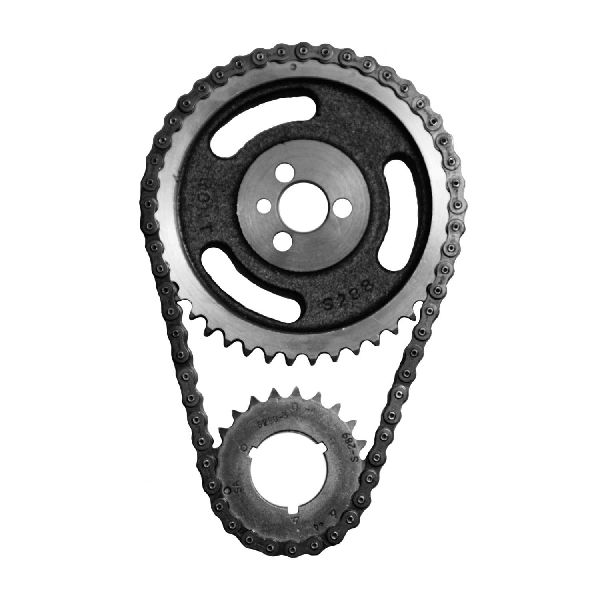
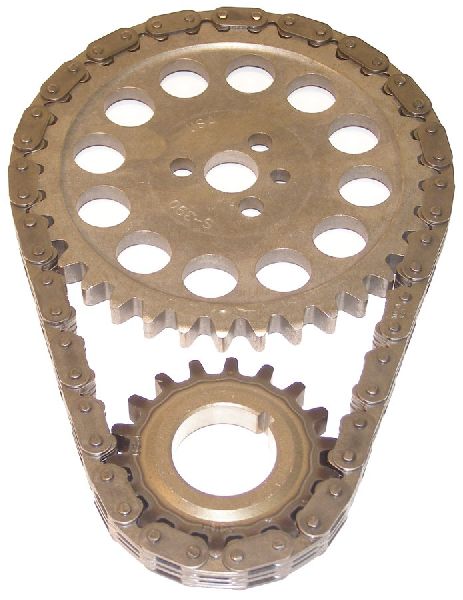
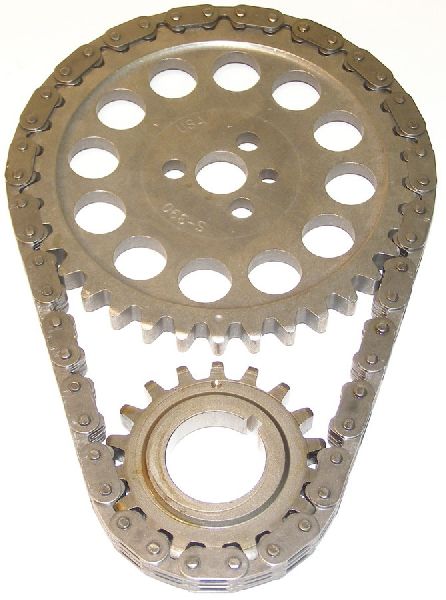
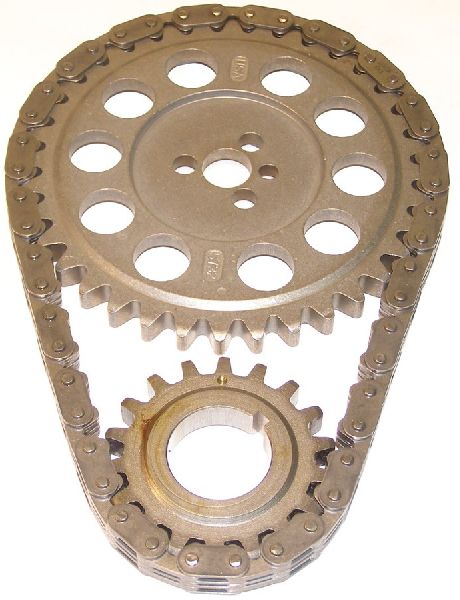
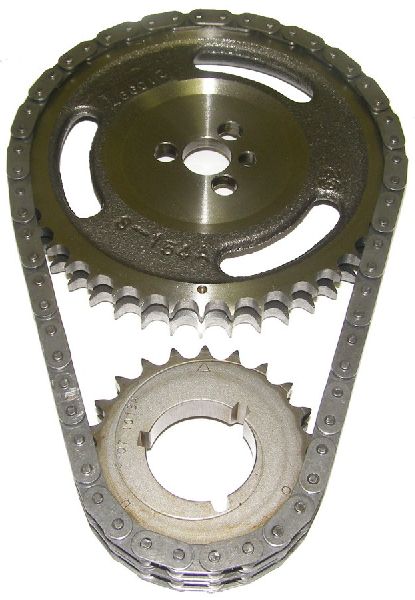
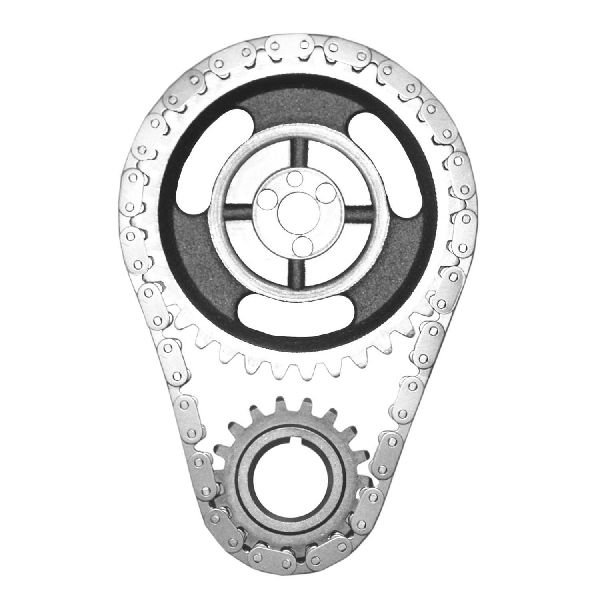
The key components are the camshaft sprocket, the crankshaft sprocket, and the timing chain. Original camshaft sprockets were often nylon-coated metal, while all aftermarket replacements are full-metal construction (cast iron or steel). Performance versions may include double-roller chains and billet steel sprockets.
We Have This Part in Stock

The information in this article is provided for general reference and educational purposes only. Vehicle specifications, procedures, and part compatibility can vary by production date, trim level, and region. Always consult your vehicle's factory service manual and verify part numbers before purchasing or performing repairs. Safety-critical components such as airbags, seat belts, and braking systems should be installed by a qualified professional.
- Pontiac Grand Prix:
- 🛍️ Shop This Part
- Is Your Grand Prix's Timing Set a Ticking Time Bomb?
- Signs of a Failing Timing Set
- Can I Drive with a Bad Timing Set?
- Choosing the Right Aftermarket Timing Set
- Good: Standard Replacement
- Better: Heavy-Duty & Mild Performance
- Best: High-Performance
- Pro Tip: Single vs. Double Roller Chains
- Known Issues, Recalls, and Bulletins
- Frequently Asked Questions (FAQ)
- 🎟️ Get 5% Off