

A Guide to the Engine Coolant Bypass Hose for the 1983-1989 Buick Century
Keep your classic Century running cool by understanding this critical, but simple, cooling system part.
- A failing bypass hose will cause coolant leaks and can lead to critical engine overheating.
- Symptoms include a sweet coolant smell, visible leaks, and a rising temperature gauge.
- Aftermarket brands like Dayco and Gates are both reliable choices for this part.
- Always replace hose clamps at the same time as the hose to ensure a proper, leak-free seal.
Signs of a Failing Bypass Hose
Like all rubber parts, the engine coolant bypass hose wears out over time from heat and pressure. A failure can lead to coolant loss and potentially serious engine overheating. Watch for these clear warning signs on your 1983-1989 Buick Century.
- Coolant Leaks: This is the most common symptom. You might find puddles of green or pink fluid under your car or just smell a distinct sweet odor from the engine bay.
- Engine Overheating: If the hose leaks a significant amount of coolant, your temperature gauge may start to climb. Driving an overheating engine can cause severe damage, like a blown head gasket.
- Visible Hose Damage: Open the hood and inspect the hose. Look for cracks, splits, swelling, or bulging. The hose might feel overly hard and brittle or soft and spongy when you squeeze it.
- Low Coolant Level: Frequently needing to top off your coolant reservoir is a sure sign of a leak somewhere in the system. Hoses are a primary suspect.
Choosing the Right Aftermarket Hose: Dayco vs. Gates
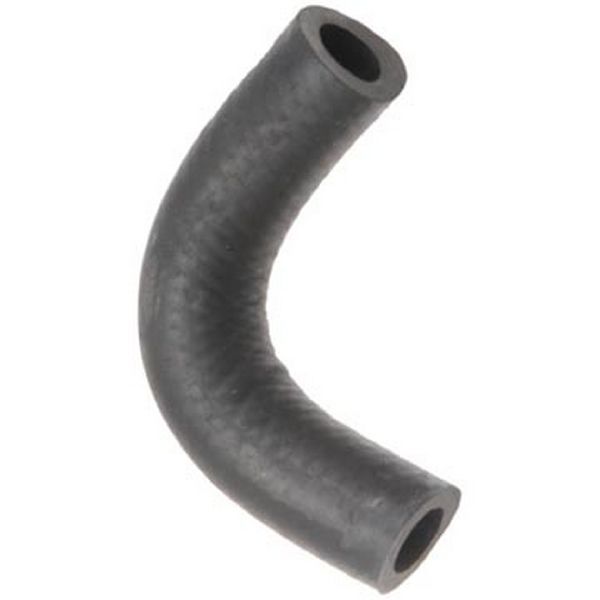
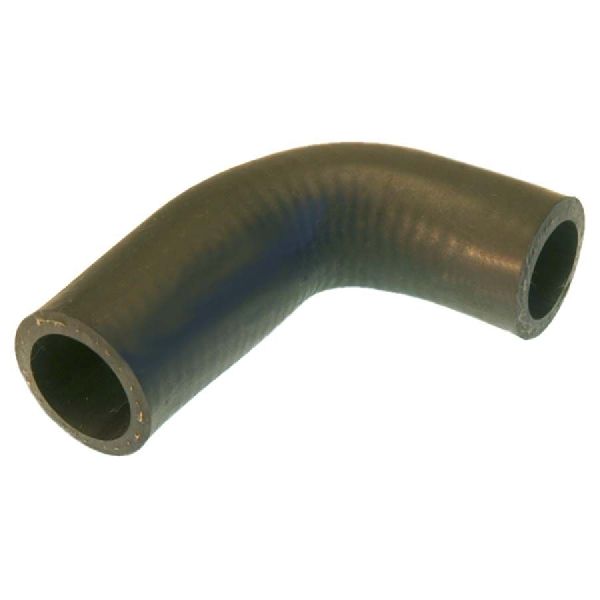
For a vehicle like the 1983-1989 Buick Century, finding an original equipment (OEM) hose from GM is highly unlikely. The good news is that reputable aftermarket brands offer quality replacements. The two main brands you will find are Dayco and Gates.
There is no universal agreement on which brand is superior; both have a long history of making reliable parts. Some mechanics prefer Gates, citing better fitment, while others have had positive experiences with Dayco, sometimes noting their hoses feel thicker. Both are considered quality replacement options. Given the low cost of the part, the most important factor is choosing a new hose from a known brand rather than ignoring a leak.
Typical Replacement Costs
The cost to replace the engine coolant bypass hose is very reasonable. The part itself is inexpensive, and if you have it done at a repair shop, the labor should be minimal.
| Item | Estimated Cost |
|---|---|
| New Aftermarket Hose (Dayco, Gates) | $7.65 - $28.99 |
| Shop Labor | $50 - $100 |
| Total Estimated Cost (Shop) | $58 - $129 |
Note: Costs are estimates and can vary based on your location and the specific repair shop's labor rates.
Frequently Asked Questions (FAQ)
Is it hard to replace the engine coolant bypass hose myself?
For most people with basic tools, this is an easy DIY job. It typically involves partially draining the cooling system, using pliers to release the hose clamps, removing the old hose, and installing the new one. It should take less than an hour.
Are there any recalls or TSBs for this hose on my Buick Century?
Searches of the National Highway Traffic Safety Administration (NHTSA) database and technical service bulletin (TSB) archives did not show any specific recalls or bulletins for the engine coolant bypass hose on the 1983-1989 Buick Century.
What kind of coolant should I use in my 1983-1989 Buick Century?
For this era of GM vehicle, the standard recommendation is a conventional green IAT (Inorganic Additive Technology) antifreeze, mixed 50/50 with distilled water. Always check your owner's manual or a reliable service guide to confirm the correct type for your specific engine.
If the leak isn't the bypass hose, what else should I check?
On these Buick models, other common sources of coolant leaks include the main radiator hoses, the radiator itself, the water pump, and the intake manifold gaskets. If you replace a hose and still have a leak, you should inspect these other areas carefully.
Technical Specifications
Molded EPDM rubber hose designed to resist heat, ozone, and chemical degradation.
We Have This Part in Stock
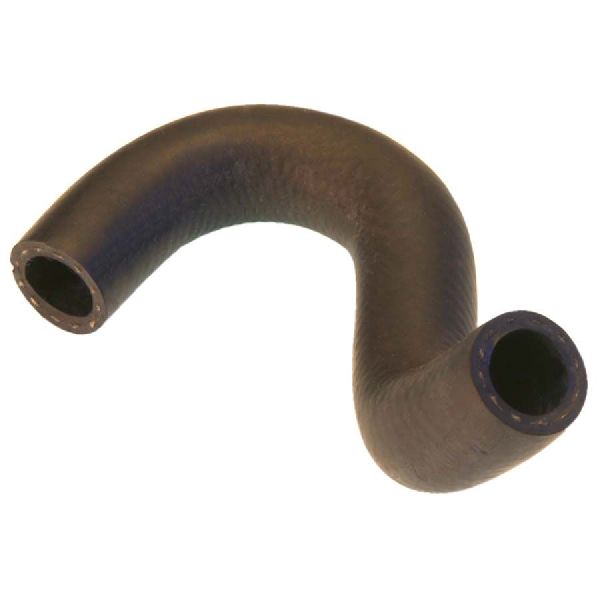
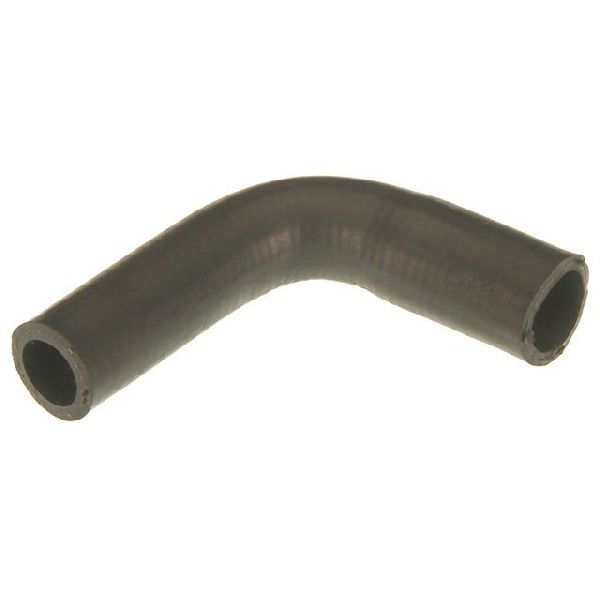
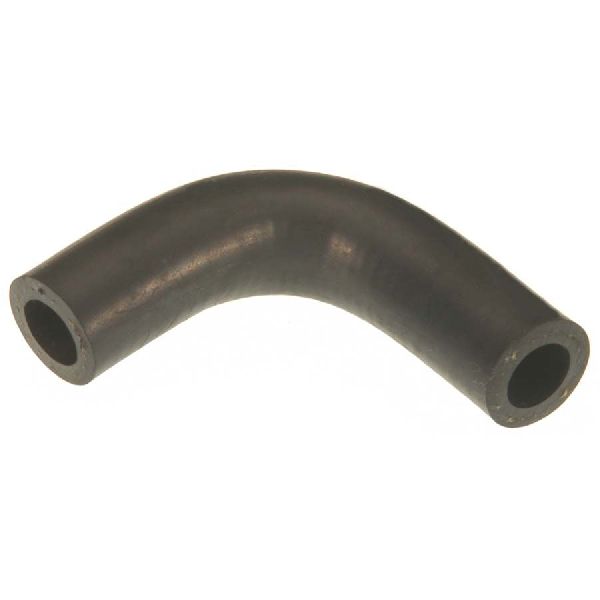
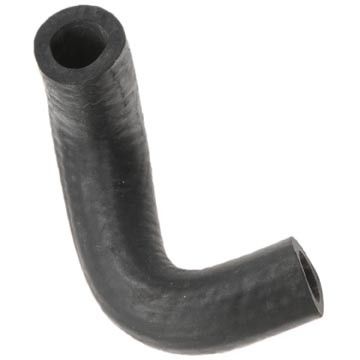

The information in this article is provided for general reference and educational purposes only. Vehicle specifications, procedures, and part compatibility can vary by production date, trim level, and region. Always consult your vehicle's factory service manual and verify part numbers before purchasing or performing repairs. Safety-critical components such as airbags, seat belts, and braking systems should be installed by a qualified professional.
- Buick Century: