

Ignition Knock Sensor Guide for the 1983-1989 Buick Regal
Understanding how to choose the right new aftermarket knock sensor is critical for your Regal's health, especially for turbo models.
- The knock sensor is a critical protective part, especially on turbocharged Grand National and T-Type models.
- Symptoms of failure include a Check Engine Light (P0325), audible engine pinging, and reduced power.
- When replacing, use a quality aftermarket brand like Delphi or Standard Ignition for reliability.
- Proper installation torque (usually 14 ft-lbs) is essential for the new sensor to function correctly.
Is your Buick Regal running rough or losing power?
A faulty ignition knock sensor could be the culprit. This small but crucial part is responsible for protecting your engine from damaging detonation. This is particularly true for the legendary 1986-1987 turbocharged models, but it's an important sensor on all 1983-1989 Regals. When it fails, the engine's computer may not be able to correctly adjust timing, leading to poor performance, bad fuel economy, and potentially severe engine damage.
Symptoms of a Failing Knock Sensor
A bad knock sensor can be hard to pinpoint, as its symptoms can mimic other engine problems. Here are the most common signs to watch for:
- Check Engine Light: This is often the first sign. The computer will store a trouble code, typically P0325, indicating a fault 🎬 Watch: Understanding the P0325 code and how to diagnose it. in the knock sensor circuit.
- Audible Engine Knock: You might hear a metallic pinging or knocking sound, especially when accelerating or under load. This means the sensor isn't detecting the detonation, leaving your engine unprotected.
- Reduced Engine Power & Acceleration: To protect the engine, the computer may default to a "safe" mode with retarded timing, making the car feel sluggish.
- Poor Fuel Economy: Inefficient engine timing means you'll be visiting the gas station more often.
- Hesitation or Stumbling: The engine may hesitate during acceleration as the computer struggles with incorrect timing information.
Choosing the Right Aftermarket Knock Sensor
For a critical part like this, especially on a turbo Buick, quality matters. While OEM parts are an option, several top-tier aftermarket brands offer excellent quality, often from the same factories that supply GM. Given the affordable price of these sensors, there is no reason to opt for a low-quality, unknown brand.
Brand Quality Tiers
| Tier | Brands | Description |
|---|---|---|
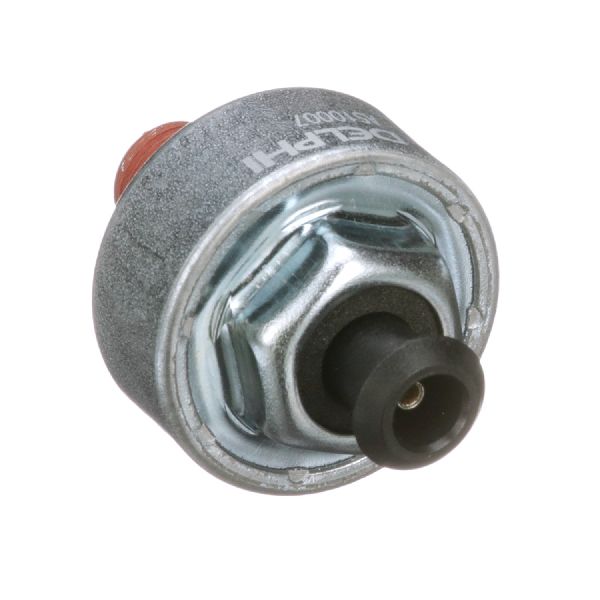
| Top Tier | Delphi, Standard Ignition (SMP) | Delphi is a frequent OEM supplier for GM, and their parts are known to meet or exceed factory specifications. Standard Ignition is a highly respected aftermarket brand known for quality electronics. For peace of mind, these are your best choices. |
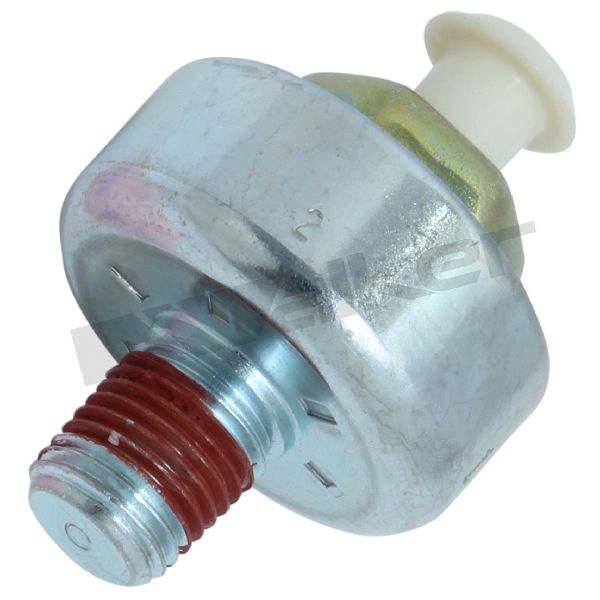
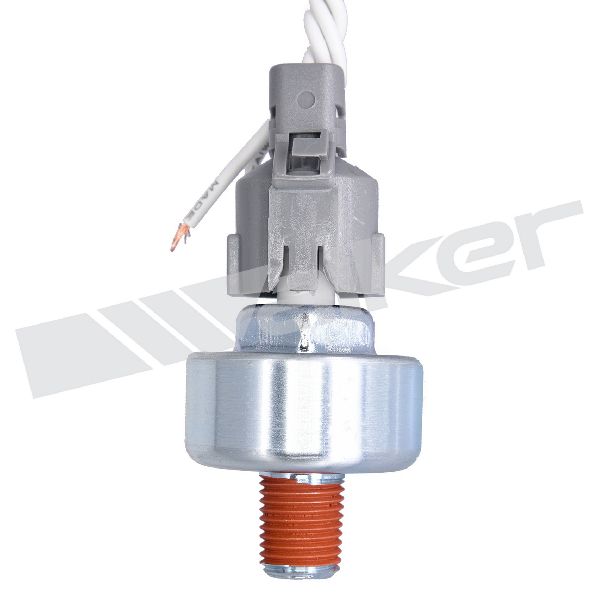
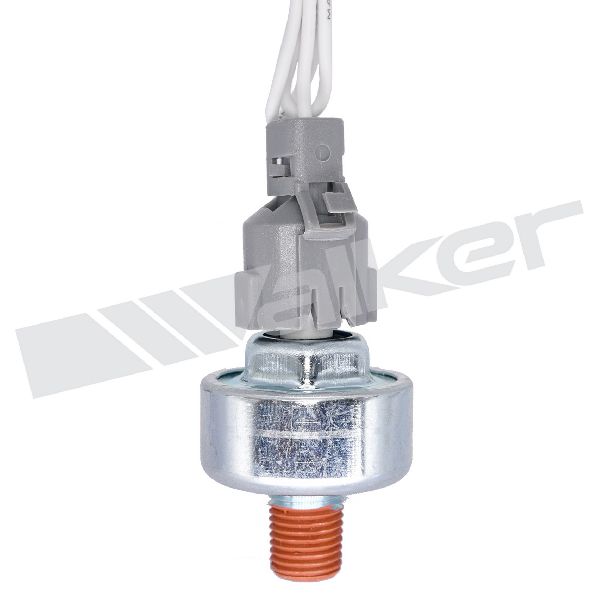
| Mid Tier | Walker Products | Walker is a well-known aftermarket company that generally provides reliable parts at a good value. A solid choice if a top-tier brand is unavailable. |
| Budget Tier | Global Parts & Store Brands | While the most affordable, these brands can be a gamble in terms of sensor accuracy and longevity. Given the critical function of the knock sensor on a Regal, especially a turbo model, it's strongly recommended to invest in a Top or Mid Tier brand for a few dollars more. |
Pro Tip: Torque is Critical! The knock sensor must be torqued to the correct specification (typically 14 ft-lbs). Over-tightening can make the sensor overly sensitive and pick up false knock, while under-tightening can prevent it from detecting real knock. Always use a torque wrench.
Frequently Asked Questions (FAQ)
Where is the knock sensor located on a 1983-1989 Buick Regal?
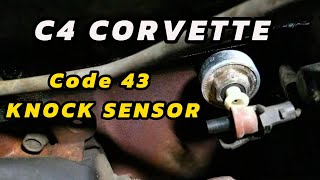
The knock sensor is located on the engine block. On the 3.8L V6 engines, it is typically found at the rear of the block, underneath the ignition coil pack. 🎬 See this walkthrough for an easy way to replace the sensor. Access can be tight, but it is reachable.
Can I drive my Buick Regal with a bad knock sensor?
You can, but it is not recommended. The car will likely run poorly, and more importantly, the engine is left unprotected from harmful detonation. On a turbocharged Regal, this is especially risky and could lead to expensive engine damage.
Are there any recalls for the knock sensor on these Regals?
No, a search of the National Highway Traffic Safety Administration (NHTSA) database shows no recalls specifically related to the ignition knock sensor for the 1983-1989 Buick Regal.
How do I test a knock sensor?
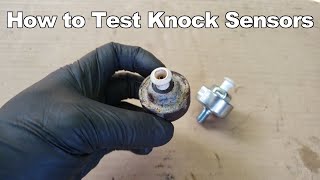
A simple test involves tapping the engine block near the sensor with the engine running at a slightly elevated RPM (around 1500 RPM). A functional sensor system should detect these taps as knock and cause a change in engine timing. You can also test the sensor's resistance with a multimeter; it should typically read around 100k ohms. 🎬 Watch: How to test a knock sensor with a multimeter. However, replacement is often the most practical solution if the sensor is suspected to be faulty.
Helpful Videos
Technical Specifications
OEM Part Numbers: 10456287 10456017 213-325
Location: Engine block, rear, under coil pack. Torque Spec: 14 ft-lbs. Connector: Single wire.
We Have This Part in Stock


The information in this article is provided for general reference and educational purposes only. Vehicle specifications, procedures, and part compatibility can vary by production date, trim level, and region. Always consult your vehicle's factory service manual and verify part numbers before purchasing or performing repairs. Safety-critical components such as airbags, seat belts, and braking systems should be installed by a qualified professional.
- Buick Regal: