

Ford E-350 Econoline Radiator Hose Guide (1983-1989)
Don't let a bad radiator hose leave your 1983-1989 Ford E-350 Econoline stranded; here’s what you need to know.
- Verify your specific engine (e.g., 5.8L V8, 7.5L V8) before ordering, as hoses are engine-specific.
- Always replace hoses in pairs (upper and lower) and use new hose clamps for a secure seal.
- Aftermarket brands like Gates, Continental, and Dayco are reliable choices; focus on getting the correct shape for your van.
- A leaking or bulging hose can lead to catastrophic engine overheating; do not drive the vehicle until it is repaired.
Symptoms of a Failing Radiator Hose
A bad radiator hose is a problem you need to fix immediately. If a hose fails completely while you're driving, your engine will overheat in minutes, leading to major repairs. Look for these warning signs:
- Coolant Leaks: This is the most obvious sign. You might see puddles of green, orange, or pink fluid under the front of your van. The coolant has a distinct sweet smell.
- Visible Damage: Inspect the hoses. Look for cracks, splits, or brittle spots. Oil leaks can cause hoses to swell, feel spongy, or become soft. A swollen or bulging hose is ready to burst.
- Engine Overheating: If your van's temperature gauge climbs into the red, a failing hose could be the cause. Overheating at idle or during slow traffic can point to a cooling system problem.
- Low Coolant Level: If you constantly have to add coolant to the reservoir, you have a leak somewhere in the system. The hoses are a common culprit.
A Note on Other Leaks
On these E-Series vans, especially models equipped with rear heat, the long metal coolant lines running to the back are known to rust and leak where they are held by brackets. When checking for leaks, inspect these lines along the frame rail in addition to the rubber hoses in the engine bay.
Choosing the Right Aftermarket Hose
For a vehicle from the 1980s, original Ford (OEM) hoses are likely discontinued and unavailable. The aftermarket is your best and only realistic option. The good news is that several reputable brands make quality replacements. Fitment is the most critical factor, as a poorly shaped hose can kink or rub against other parts.
Brand Quality Tiers
- Premium Brands (Gates, Continental): Gates is a highly respected name in the aftermarket, known for good quality and accurate fitment. Continental is another long-standing brand with a solid reputation. You can be confident using hoses from either of these brands.
- Quality Alternatives (Dayco): Dayco is also a major manufacturer. Some mechanics find their hoses to be slightly thicker and a good value. While most users have good experiences, some have reported fitment issues, so it's always wise to compare the new hose shape to the old one before installation.
Pro Tip: Always replace the hose clamps when you replace the hoses. Old clamps can lose their tension and may not seal properly on a new hose. Also, check if your lower hose has an internal spring. If it does, make sure your replacement does too, or carefully transfer the old one. This spring prevents the hose from collapsing under suction.
| Part Type | Cost Range |
|---|---|
| New Aftermarket Radiator Hose | $21.65 - $51.11 |
| Shop Labor for Replacement | $95 - $190 |
Frequently Asked Questions (FAQ)
Should I replace both upper and lower hoses at the same time?
Yes. Radiator hoses are made of the same material and are exposed to the same conditions. If one is failing due to age, the other is likely not far behind. Replacing them both at the same time is smart preventative maintenance and saves you from doing the job twice.
How do I know which hose fits my van's engine?
The 1983-1989 E-350 came with several different engines (e.g., 4.9L I6, 5.8L V8, 7.5L V8, and diesel options). Each engine requires specific molded hoses. It is critical to confirm your engine size before ordering to ensure you get the correct parts. Using your vehicle's VIN or engine information when shopping is the best way to guarantee a match.
Is replacing a radiator hose a difficult job?
For an experienced DIYer, it's a manageable job. The main challenge on an Econoline van is access, as the engine is tucked under the 'doghouse' cover inside the cab. The lower hose can be particularly tricky to reach. The basic steps involve draining the radiator, using pliers to remove the clamps, and twisting off the old hoses. If you are not comfortable working in tight spaces or handling coolant, it's best to leave this job to a professional.
Are there any recalls on these hoses?
No. There are no active recalls or Technical Service Bulletins (TSBs) from Ford or the NHTSA for radiator hoses on the 1983-1989 Ford E-350 Econoline. This is a standard wear-and-tear maintenance item.
Technical Specifications
OEM Part Numbers: E3UZ8286B E4UA8B273BA E9UA8B273NA E9UZ8286A KM1782
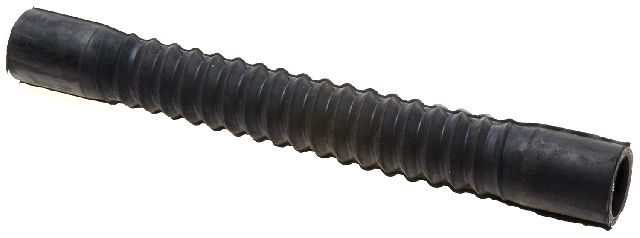
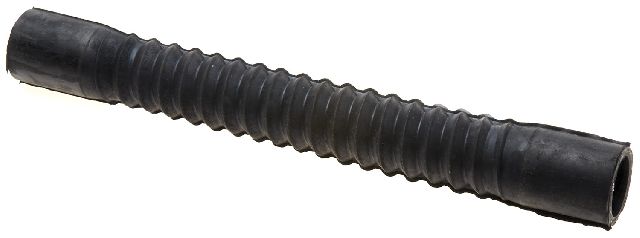
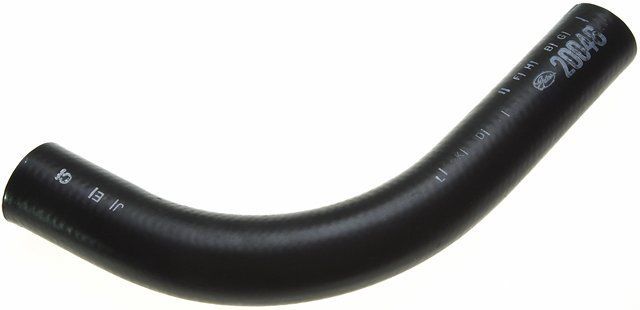
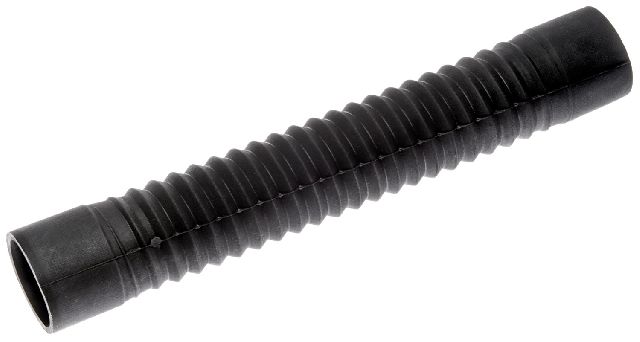
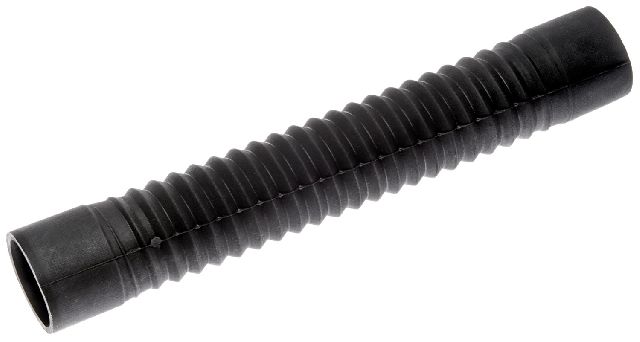
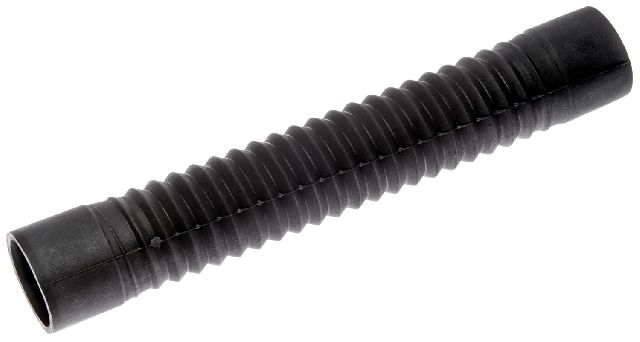
Hoses for the 1983-1989 Ford E-350 are made from EPDM rubber and are pre-molded to fit specific engine configurations. Depending on the engine and accessories, the lower hose may be a complex assembly with multiple branches for components like an oil cooler. Ensure the part you order matches the required configuration for your van.
We Have This Part in Stock

The information in this article is provided for general reference and educational purposes only. Vehicle specifications, procedures, and part compatibility can vary by production date, trim level, and region. Always consult your vehicle's factory service manual and verify part numbers before purchasing or performing repairs. Safety-critical components such as airbags, seat belts, and braking systems should be installed by a qualified professional.
- Ford E-350 Econoline: