

Ford Ranger A/C Compressor Guide (1983-1989): Replacement & Conversion
If your first-generation Ranger's A/C is blowing hot, this is what you need to know before buying a new compressor.
- Any compressor replacement on this truck will require converting the system from the original R-12 refrigerant to modern R-134a.
- Always replace the compressor, accumulator/drier, and orifice tube as a kit to prevent premature failure and warranty denial.
- The system MUST be flushed to remove old oil and debris, then evacuated with a vacuum pump to remove moisture before recharging.
- Four Seasons is a widely available and generally trusted aftermarket brand for this application.
The Most Important Thing: R-12 vs. R-134a Refrigerant
Before you replace the A/C compressor on your 1983-1989 Ford Ranger, you must understand the refrigerant issue. Your truck came from the factory with an A/C system designed for R-12 refrigerant (often called Freon). R-12 is no longer used in vehicles, is extremely expensive, and requires a special license to handle. Any A/C repair on your truck today, including replacing the compressor, will almost certainly involve converting the system to the modern R-134a standard.
This is NOT a simple top-off.
A proper conversion is critical for the new compressor's survival. Simply adding R-134a to an old R-12 system will cause it to fail. The conversion requires:
- Flushing the entire system to remove the old R-12 mineral oil.
- Replacing the accumulator/drier and the orifice tube. These are considered wear items and act as filters; they are always replaced with the compressor.
- Replacing all rubber O-rings with new, R-134a compatible (HNBR) ones.
- Adding the correct type and amount of new oil (usually Ester oil, which is compatible with leftover mineral oil).
- Installing R-134a service port adapters. 🎬 See this step-by-step guide on converting from R12 to R134a.
Common Symptoms of a Bad A/C Compressor
When the compressor fails, your A/C stops working. Here are the common signs:
- No Cold Air: The most obvious symptom. If the air from the vents is warm or hot when the A/C is on, the compressor might not be engaging or pumping refrigerant.
- Loud Noises: Grinding, rattling, or squealing sounds when you turn the A/C on point to internal failure or a bad clutch bearing. A failing compressor can send metal shavings through the entire system, causing more damage.
- Clutch Not Engaging: The outer part of the compressor pulley (the clutch) should click and start spinning when you turn on the A/C. If it doesn't move, it could be an electrical issue, a low refrigerant pressure safety shut-off, or a failed clutch. 🎬 Watch: How to diagnose a Ford Ranger compressor that won't engage.
- Rapid Cycling: If the compressor clutch clicks on and off every few seconds, it's often a sign that the refrigerant level is low due to a leak.
Choosing the Right Aftermarket Compressor
For a vehicle of this age, new Original Equipment (OEM) parts are generally not available. The aftermarket is your only realistic option. When you buy, you should always purchase a kit that includes a new compressor, accumulator/drier, and orifice tube.
Pro Tip: Replacing the compressor without replacing the accumulator and orifice tube will void the warranty on the new compressor and likely cause it to fail prematurely.
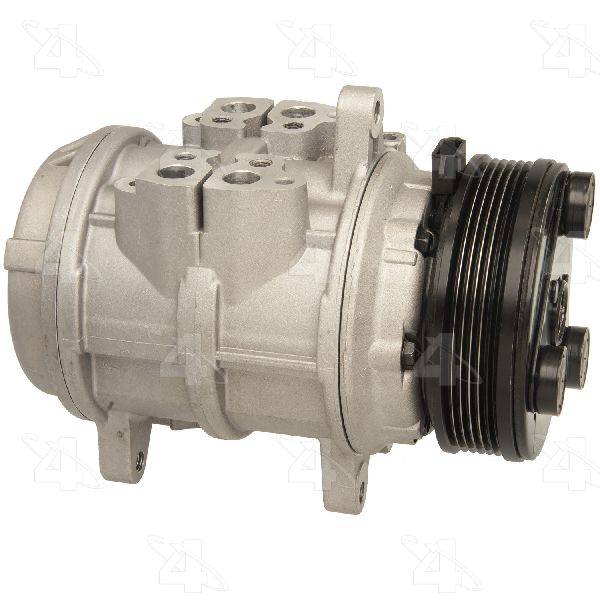
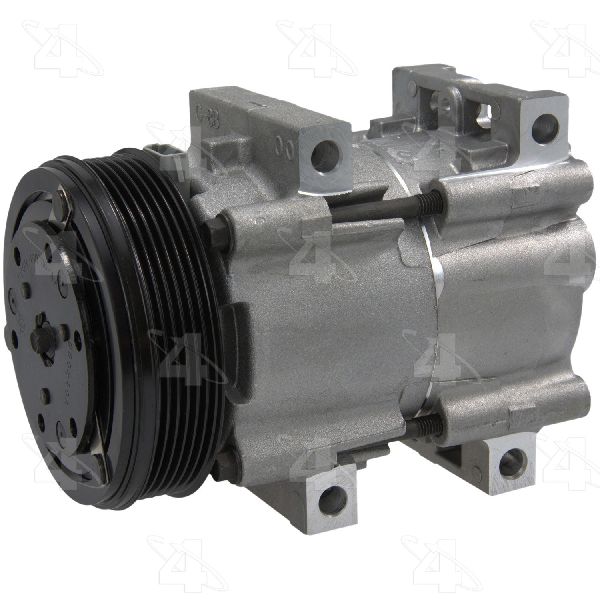
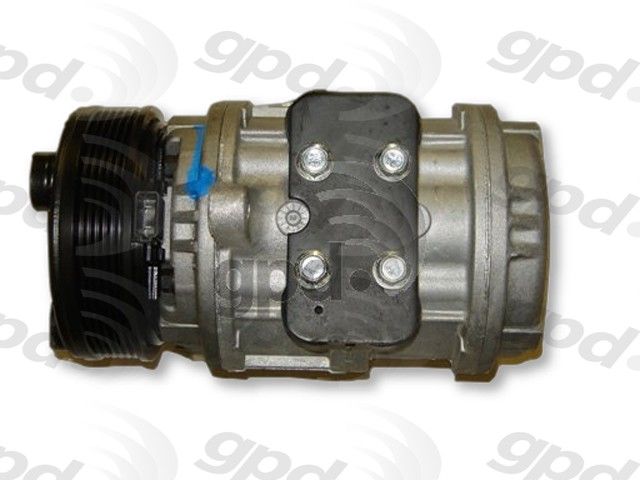
Two common brands you will find are Four Seasons and Global Parts.
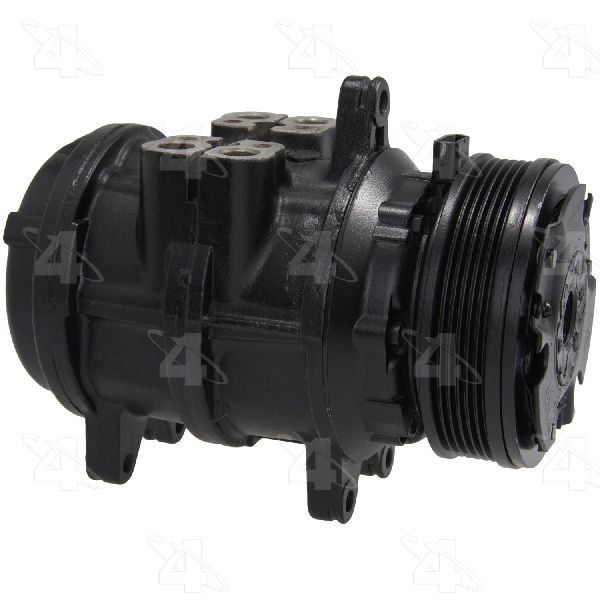
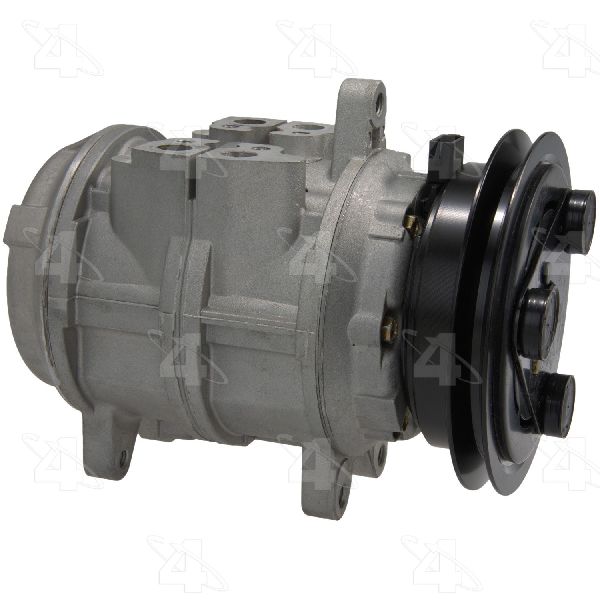
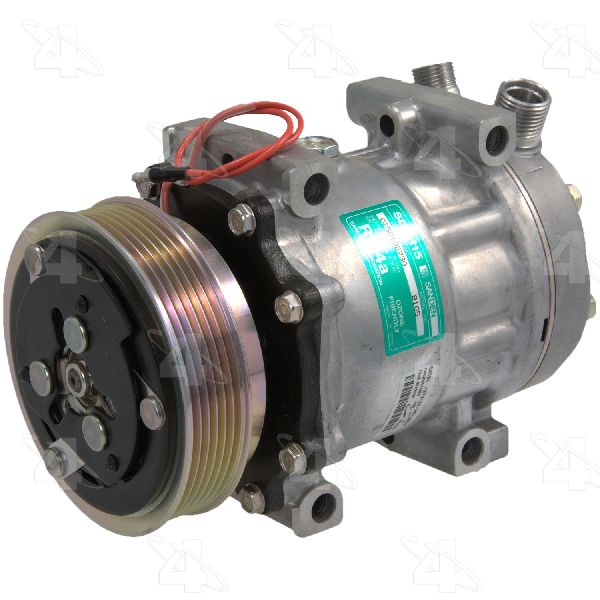
- Four Seasons: This is a well-known and generally trusted aftermarket brand. Many DIY mechanics and even professional shops use them. Reviews suggest they offer a good balance of quality and price, with many users reporting reliable performance.
- Global Parts (GPD): There is less anecdotal information available for this brand. While they are a more budget-friendly option, some users have reported premature failures compared to more established brands.
Given the complexity of the job, choosing a reliable brand like Four Seasons is a safer investment to avoid doing the work twice.
🎬 Watch: A complete walkthrough of removing Ford Ranger A/C components.| Part/Service | Estimated Cost |
|---|---|
| New Aftermarket Compressor Kit (Compressor, Accumulator, Orifice Tube) | $177 - $443 |
| Shop Labor (Replacement & R-134a Conversion) | $300 - $500 |
| Total Professional Replacement | $477 - $943 |
Frequently Asked Questions (FAQ)
Can I just replace the A/C clutch and not the whole compressor?
Sometimes, but it's often not worth it. If the clutch failed due to the compressor itself seizing or starting to fail, a new clutch won't last. Also, the labor to replace just the clutch is often nearly the same as replacing the whole compressor assembly. For a vehicle this old, replacing the entire unit is the most reliable repair.
Why did my brand new compressor fail after a few months?
The most common reason for a new compressor to fail quickly is system contamination. If the old compressor failed internally, it sent metal debris throughout the system. If the system was not thoroughly flushed and the accumulator and orifice tube were not replaced, that debris will destroy the new compressor.
Do I have to get the system professionally evacuated and recharged?
Yes. It is illegal to release old refrigerant into the atmosphere. More importantly, a professional evacuation using a vacuum pump is the only way to remove all air and moisture from the system. Any moisture left in the system will mix with refrigerant and form corrosive acids that will destroy your new components from the inside out.
My A/C only works when the truck is moving, not at idle. What's wrong?
This can be a sign of an inefficient system, often after an R-134a conversion. It can be caused by an incorrect refrigerant charge or poor airflow over the condenser. Ensure the engine's cooling fan is working correctly. Some owners find that upgrading to a more efficient parallel-flow condenser improves R-134a performance.
Helpful Videos
Technical Specifications
Original system designed for R-12 refrigerant. Replacement compressors must be compatible with an R-134a conversion and use appropriate Ester or PAG oil. The compressor is a fixed-displacement type (Ford FS10 style was common).
We Have This Part in Stock

The information in this article is provided for general reference and educational purposes only. Vehicle specifications, procedures, and part compatibility can vary by production date, trim level, and region. Always consult your vehicle's factory service manual and verify part numbers before purchasing or performing repairs. Safety-critical components such as airbags, seat belts, and braking systems should be installed by a qualified professional.
- Ford Ranger: