

Choosing the Right Spark Plugs for Your 1983-1989 Ford Ranger
Keep your first-generation Ranger running strong by understanding which spark plugs work best for its engine.
- Stick with trusted brands like Motorcraft or Autolite for reliable performance in your Ranger's ignition system.
- For the 2.3L engine, confirm if you have the 8-plug version and be sure to order the correct quantity.
- Changing spark plugs is a simple, low-cost maintenance task that you can do yourself in under an hour.
- Always check and set the spark plug gap before installation for optimal engine performance.
Signs of a Bad Spark Plug in Your Ranger
Worn-out spark plugs can cause a number of noticeable problems. Because these trucks have simpler engine systems than modern vehicles, you might feel these issues more directly.
- Rough Idling: The engine may shake or vibrate more than usual when you're stopped.
- Trouble Starting: A weak spark makes it harder for the engine to fire up, especially in cold weather.
- Engine Misfires: You might feel a hesitation or stumble from the engine while driving. This is often accompanied by a popping sound from the exhaust.
- Poor Fuel Economy: If the fuel isn't burning efficiently, you'll find yourself visiting the gas station more often.
- Sluggish Acceleration: When you press the gas, the truck may feel weak or slow to respond. 🎬 Watch: 7 symptoms of bad spark plugs and replacement costs
Choosing the Right Aftermarket Spark Plugs
For a 1983-1989 Ford Ranger, you don't need to go to a dealership for quality parts. The aftermarket offers excellent options that meet or exceed original specifications. The most important factor is choosing a reputable brand and the correct plug type for your engine. Many of the 2.3L engines in this generation use a dual-plug system (8 plugs total) for a more complete burn, so be sure to order the correct quantity.
🎬 See this walkthrough for replacing Ranger plugs and wiresSpark Plug Brand Tiers
| Tier | Brands | Assessment |
|---|---|---|
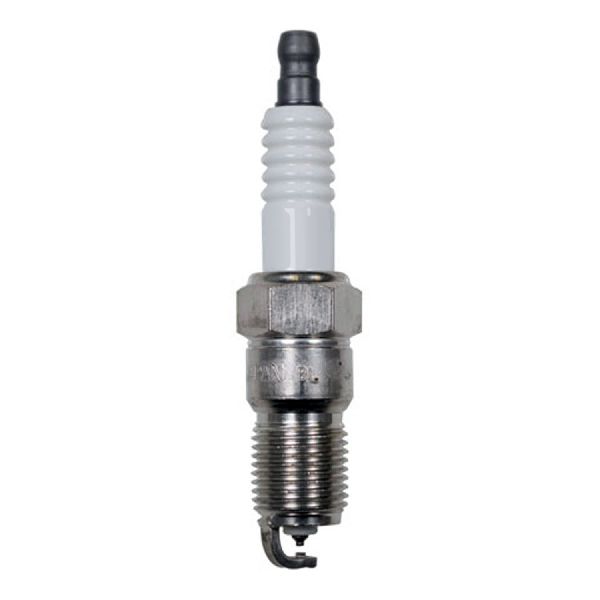
| OEM / Top Tier | Motorcraft, NGK, Denso | Motorcraft is the original part manufacturer for Ford and is always a safe, reliable choice. Many owners and mechanics swear by them for consistent performance. NGK and Denso are top-tier Japanese brands known for excellent quality and are a popular, trusted alternative. |
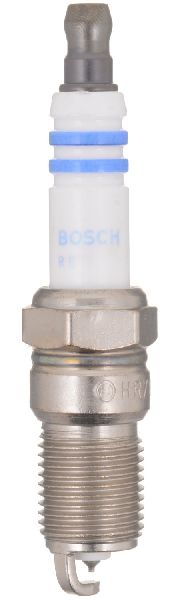
| Quality Mid-Tier | Autolite, Bosch | Autolite actually produces many of the plugs for Motorcraft, making them a very similar and reliable option, often at a better price. Bosch plugs are generally good quality, though some owners have reported mixed experiences in Ford engines compared to Motorcraft or NGK. |
| Economy | Champion, Skyward | Champion is a well-known brand that offers affordable plugs. They can be a decent budget choice, but for critical components like spark plugs, most Ranger owners prefer to stick with Motorcraft or Autolite for proven reliability. Skyward and other house brands are typically the most basic, value-oriented option. |
Pro Tip: For these older Ranger engines, you don't need to spend extra on fancy Iridium or Double Platinum plugs unless you want slightly longer life. Standard copper or single platinum plugs from a good brand like Motorcraft or Autolite will provide excellent performance and are what the ignition system was designed for.
Known Issues, Recalls, and Service Bulletins
For the 1983-1989 Ford Ranger, there are no active recalls or Technical Service Bulletins (TSBs) specifically related to spark plug failure. The ignition systems are generally robust and simple. Any TSBs found for Ford Rangers and spark plugs relate to much newer model years and different engine designs, such as issues with water getting into spark plug wells on 2019 and newer models. The problems you'll encounter with spark plugs on a first-generation Ranger are almost always due to normal wear and tear from age and mileage.
Frequently Asked Questions (FAQ)
How often should I change the spark plugs on my Ranger?
For this generation of truck using standard copper or platinum plugs, a good rule of thumb is to inspect them every 30,000 miles and replace them as needed. If you're noticing any of the failure symptoms, it's time for a change, regardless of mileage.
What is a spark plug 'gap' and why does it matter?
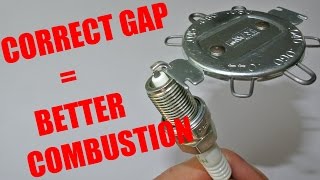
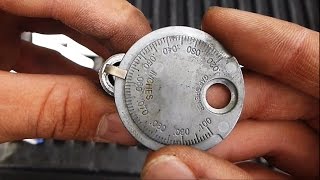
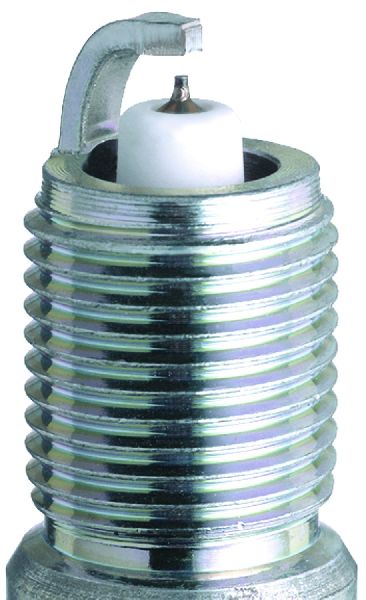
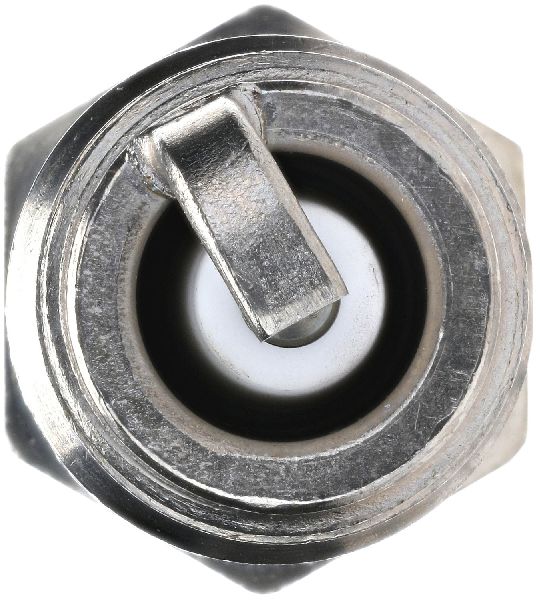
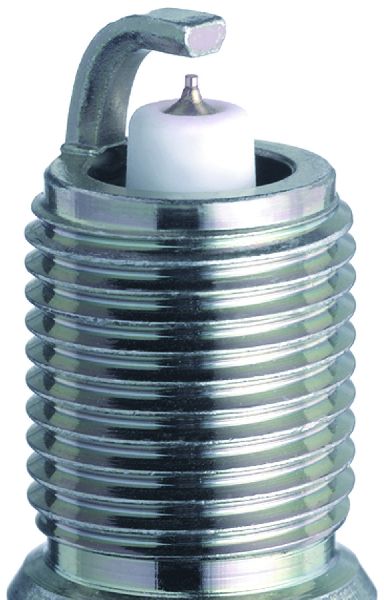
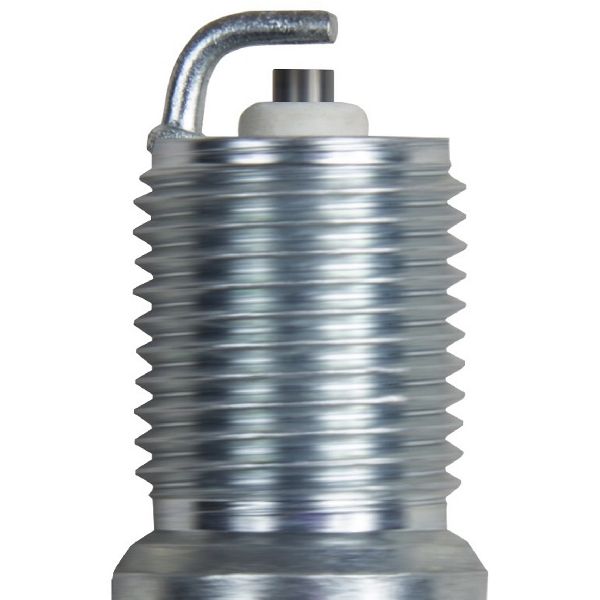
The gap is the small space between the center and side electrodes at the tip of the spark plug. The spark has to jump this gap. If the gap is too small or too large, it can cause misfires and poor performance. Always check the gap with a feeler gauge and adjust it to your Ranger's specific requirements before installation, even if the plugs are 'pre-gapped'.
🎬 Learn how to gap your spark plugs properlyDo I need a special tool to change my spark plugs?
You will need a ratchet, a spark plug socket (usually 5/8"), and an extension. The socket has a rubber insert to protect the plug's ceramic insulator and hold it for easier removal. A torque wrench is also highly recommended to tighten the new plugs correctly and avoid damaging the engine's cylinder head.
Should I use anti-seize on the new spark plug threads?
This is a topic of debate. Some mechanics apply a very small amount to prevent the plugs from getting stuck in the cylinder head. However, many modern spark plugs have a special coating that makes anti-seize unnecessary. If you do use it, reduce the tightening torque by about 10-15% to avoid over-tightening. For most DIYers, installing them clean and dry is the safest method.
My 2.3L engine has 8 spark plugs. Do I have to change all of them?
Yes. The dual-plug ignition system on many 2.3L Lima engines was designed to improve combustion and emissions. For the engine to run as designed, all eight plugs should be replaced at the same time.
Helpful Videos
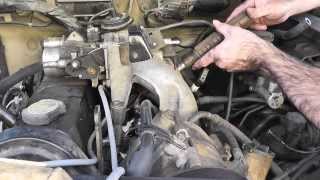
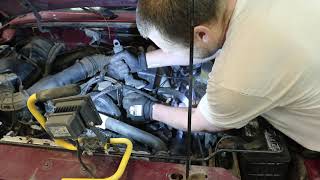
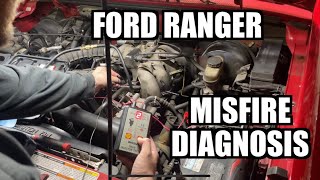
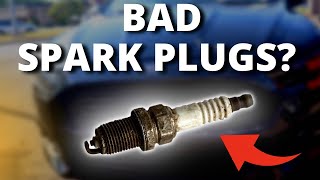

Technical Specifications
OEM Part Numbers: SP-447 AWSF-32C-F4
Spark plug requirements vary based on the engine (2.0L I4, 2.3L I4, 2.8L V6, 2.9L V6). The 2.3L engine often features a dual-plug head, requiring eight spark plugs. Always verify the correct part number and gap specification for your specific engine before purchasing and installing.
We Have This Part in Stock

The information in this article is provided for general reference and educational purposes only. Vehicle specifications, procedures, and part compatibility can vary by production date, trim level, and region. Always consult your vehicle's factory service manual and verify part numbers before purchasing or performing repairs. Safety-critical components such as airbags, seat belts, and braking systems should be installed by a qualified professional.
- Ford Ranger: