

Ford Ranger Starter Motor Guide for 1983-1989 Models
Solving the infamous 'click, no-start' problem and choosing the right replacement starter for your first-generation Ranger.
- Always test the fender-mounted starter relay first; it's a common failure point and cheaper to replace than the starter.
- A high-torque starter like a Powermaster is a smart upgrade to solve heat-related slow-start issues and provide faster cranking.
- Ensure you buy the correct starter for your transmission type (manual vs. automatic) to prevent grinding and damage.
- Check for loose starter bolts and clean all electrical connections, as these simple issues can mimic a failed starter.
Is It Your Starter or the Fender Solenoid?
Before you buy a new starter for your 1983-1989 Ranger, it's important to know about the starting system's design. These trucks use a fender-mounted starter relay (solenoid) that works with the starter motor. A 'click' when you turn the key often points to a failure in this relay, not the starter motor itself. If the relay is bad, it won't send power down to the starter. Testing this component first can save you from replacing a perfectly good starter motor.
Common Failure Symptoms
When your starter system begins to fail, the signs are usually obvious. Here’s what to look and listen for:
- Single, Loud Click, Then Nothing: This is the most common symptom for this generation of Ranger. It usually means the fender-mounted starter relay is receiving the signal from the ignition switch but is failing to send power to the starter motor. It can also be caused by poor battery cable connections.
- Slow, Labored Cranking: If the engine turns over very slowly, especially when it's hot, this can be a sign of a failing starter motor. This condition, known as 'heat soak', happens when the starter's internal components get too hot and create too much resistance. A weak battery can also cause this.
- Grinding or Whirring Noise: A loud grinding noise when you try to start the engine suggests the starter gear is not meshing correctly with the engine's flywheel, or the teeth on either part are damaged. This can happen if the starter bolts have come loose or if the wrong starter was installed (e.g., a starter for an automatic transmission on a manual, or vice-versa).
- No Sound at All: If there is no sound when you turn the key, the problem could be further up the line, such as the ignition switch, neutral safety switch, or a dead battery.
Pro Tip: Check Your Cables
On a truck of this age, battery cables can corrode from the inside out, where you can't see the damage. A cable that looks fine can have high internal resistance, preventing enough power from reaching the starter. Before replacing parts, check that all connections at the battery, fender solenoid, and starter motor are clean and tight.
Choosing the Right Aftermarket Starter
Original Ford starters for a truck this old are likely discontinued or very hard to find new. Aftermarket starters offer excellent performance and value. For your Ranger, you'll find two main types: standard replacements and high-torque upgrades.
Standard Replacement Starters (MPA)
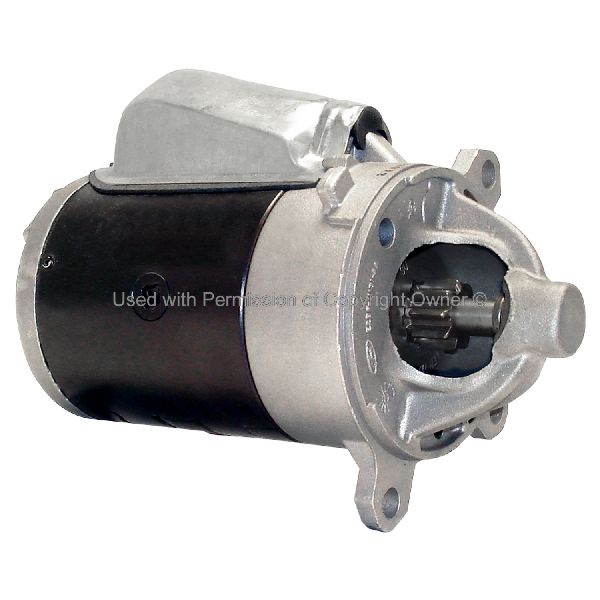
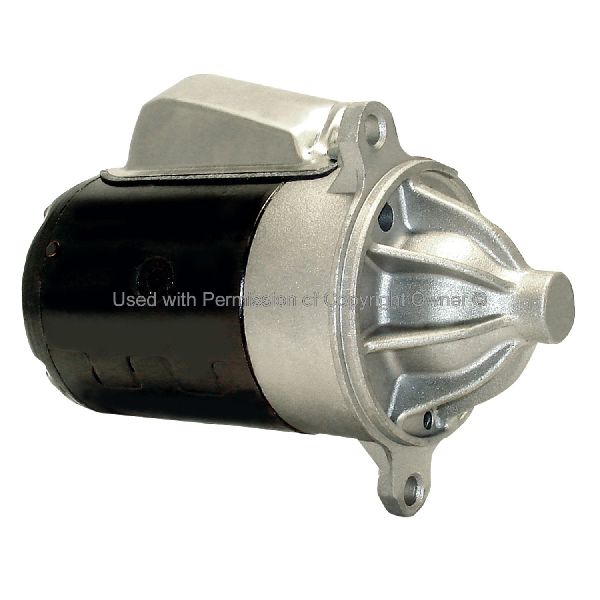
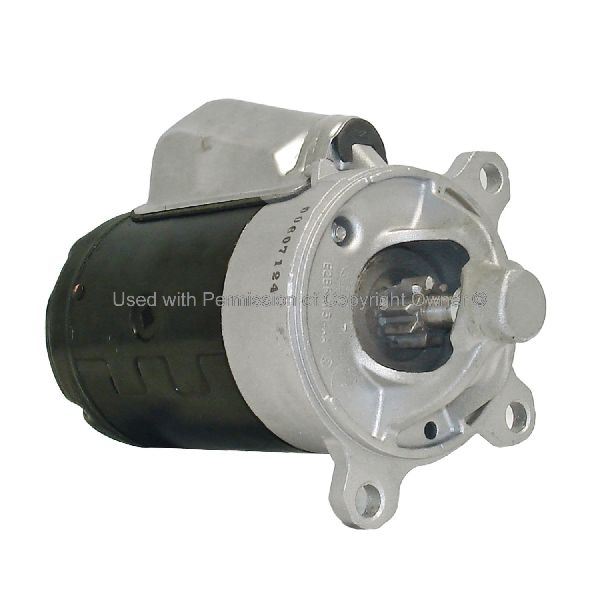
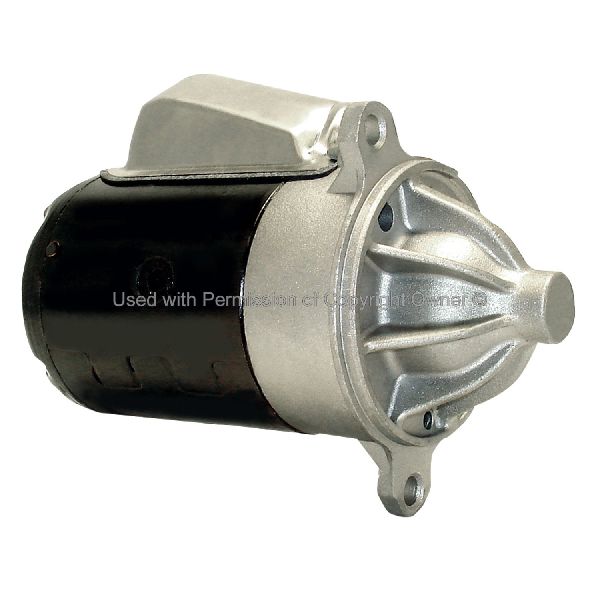
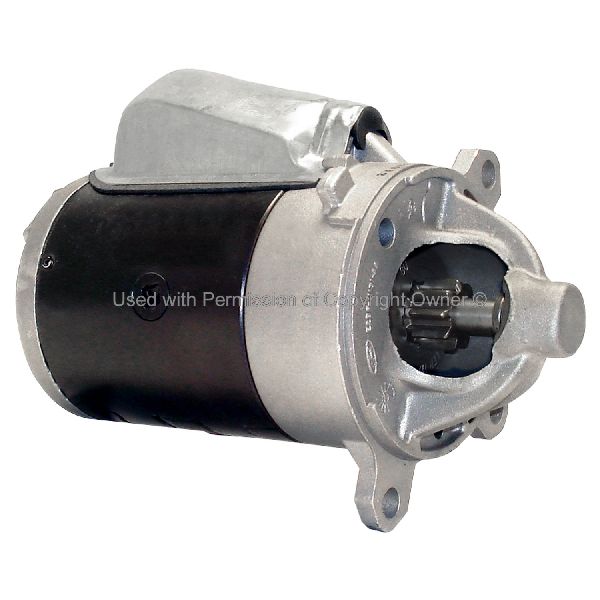
For a stock truck used for daily driving, a quality standard replacement starter is a reliable and cost-effective choice. Brands like MPA (Motor Parts of America) produce their Quality-Built line to meet or exceed original factory specifications. These starters are designed as a direct-fit replacement, providing dependable cranking power for years. They often feature durable components like double-sealed bearings and high-quality bushings to ensure longevity.
High-Torque & Performance Starters (Powermaster)
If you live in a cold climate, have a modified engine with higher compression, or have experienced slow cranking when the engine is hot (heat soak), a high-torque starter is a worthwhile upgrade. Powermaster is a well-regarded brand in this category, known for powerful and reliable starters. Their gear-reduction design provides more cranking torque than the original, meaning the engine will turn over faster and more easily. They are often lighter and more compact than the stock unit and are an excellent solution for heat-related starting issues.
🎬 Learn why your engine cranks slowly when it gets hot.Warning: Manual vs. Automatic Transmission
The starter for a manual transmission Ranger may be different from one for an automatic. The mounting nose or gear position can vary slightly. Always confirm you are ordering the correct part for your specific transmission to avoid grinding noises and damage to your new starter or the flywheel.
Known Issues for This Vehicle
Searches for official recalls or Technical Service Bulletins (TSBs) from Ford specifically for the starter motor on 1983-1989 Rangers did not yield any results. However, owner forums highlight a few common, non-official issues:
- Loose Starter Bolts: Some owners have reported that the starter mounting bolts can loosen over time, leading to improper engagement and grinding. Using a thread-locking compound or lock washers during installation is a good preventative measure.
- Fender Solenoid Failure: As mentioned, the fender-mounted relay is a frequent failure point and should always be considered a primary suspect in a no-crank situation. 🎬 See how to test and replace the fender-mounted solenoid.
Cost of Replacing a Ford Ranger Starter
| Part Type | Estimated Cost |
|---|---|
| New Aftermarket Starter | $130 - $201 |
| Shop Labor | $120 - $250 |
| Total Professional Replacement | $250 - $451 |
Cost estimates are for the part and labor only and do not include taxes, shop fees, or diagnostic charges.
Frequently Asked Questions (FAQ)
How do I know if my starter is bad or if it's the fender solenoid?
A good test is to have a helper turn the key to 'start' while you listen to the fender-mounted solenoid. If you hear it make a single, solid 'click' but the starter does nothing, the solenoid is likely working, and the problem may be the starter motor or the heavy cable running between them. If the solenoid just buzzes or makes multiple rapid clicks, it is likely failing or not receiving enough power from the battery.
Why does my new starter make a grinding noise?
A grinding noise is almost always due to an alignment problem. The most common causes are: loose mounting bolts, the wrong starter for your transmission type (manual vs. automatic), or damaged teeth on the engine's flywheel/flexplate. Immediately stop trying to start the vehicle and double-check your installation and part number.
How difficult is it to replace the starter on a 1983-1989 Ranger?
For a DIY mechanic with basic tools, this is a fairly straightforward job. It typically involves disconnecting the battery, safely jacking up the truck, removing two or three bolts, and disconnecting the electrical wires. The top bolt can sometimes be difficult to access from below, but the overall difficulty is low to moderate.
🎬 Watch: Step-by-step guide to replacing your Ranger's starter motor.Do I really need a high-torque starter?
For a stock engine in a mild climate, a standard replacement starter is usually sufficient. However, a high-torque starter from a brand like Powermaster is a smart investment if you have starting problems when the engine is hot, have a high-compression engine, or want faster, more reliable starts in very cold weather.
Helpful Videos
Technical Specifications
The primary technical difference in aftermarket starters for this vehicle is between standard direct-drive replacements and high-torque, gear-reduction models. High-torque starters provide more cranking power with less electrical draw, making them ideal for modified engines or solving heat-soak problems.
We Have This Part in Stock

The information in this article is provided for general reference and educational purposes only. Vehicle specifications, procedures, and part compatibility can vary by production date, trim level, and region. Always consult your vehicle's factory service manual and verify part numbers before purchasing or performing repairs. Safety-critical components such as airbags, seat belts, and braking systems should be installed by a qualified professional.
- Ford Ranger:
- 🎬 Helpful Videos
- 🛍️ Shop This Part
- Is It Your Starter or the Fender Solenoid?
- Common Failure Symptoms
- Pro Tip: Check Your Cables
- Choosing the Right Aftermarket Starter
- Standard Replacement Starters (MPA)
- High-Torque & Performance Starters (Powermaster)
- Warning: Manual vs. Automatic Transmission
- Known Issues for This Vehicle
- Cost of Replacing a Ford Ranger Starter
- Frequently Asked Questions (FAQ)
- 🎟️ Get 5% Off