

Ford Ranger Throttle Position Sensor Guide (1983-1989)
Fixing hesitation, stalling, and rough idle on your first-generation Ford Ranger often starts with the Throttle Position Sensor.
- A bad TPS is a very common cause of hesitation, stalling, and poor idle on 1983-1989 Rangers.
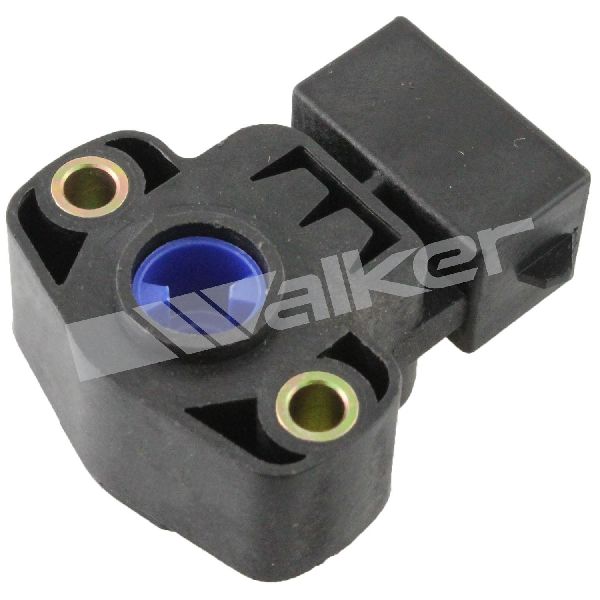
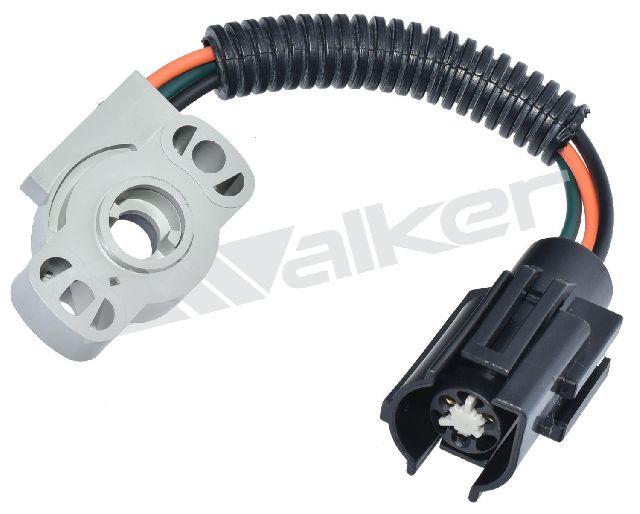
- Aftermarket is your only realistic option; choose a reputable brand like Standard Ignition or Walker for better reliability.
- This is an easy and affordable DIY repair that you can do in under 30 minutes with basic tools.
- Always double-check that the part number and connector match your specific engine and year before buying.
Is Your Ranger Stumbling? It Could Be The TPS.

If your 1983-1989 Ford Ranger has a fuel-injected engine (like the 2.3L four-cylinder or 2.9L V6), it has a Throttle Position Sensor (TPS). This part is a common cause of engine problems like hesitation, stalling, and poor acceleration. Because these trucks are getting older, the original sensor can wear out, causing all sorts of drivability issues. This guide will help you understand the symptoms, choose the right aftermarket replacement, and know what to expect for cost.
Symptoms of a Bad Throttle Position Sensor

A failing TPS can make your truck run poorly in several ways. You might notice one or more of these signs:
- Hesitation or Stumbling: The truck might bog down or hesitate when you press the gas pedal.
- Rough or High Idle: Your engine might idle erratically, revving up and down on its own, or idling much higher than normal.
- Stalling: The engine may stall when you come to a stop or when you let off the gas.
- Poor Acceleration: The truck may feel sluggish and lack power, especially when trying to get up to speed.
- Check Engine Light: On later models, a bad TPS can trigger the Check Engine Light, but on many older Rangers, it may not throw a code even when it's failing.
- Poor Automatic Shifting: The TPS signal is also used by the transmission computer, so a bad sensor can cause hard or delayed shifts.
Choosing the Right Aftermarket TPS

For a first-generation Ranger, finding a new OEM (Original Equipment Manufacturer) part from Ford is nearly impossible. The market is almost entirely aftermarket. Quality can vary, so it's important to choose a reputable brand. Based on your budget, here’s how the available brands generally stack up:
| Brand Tier | Brands | Quality & Price |
|---|---|---|
| Good Quality | Standard Ignition (SMP), Walker Products | These are well-known aftermarket brands that have been around for a long time. They are generally considered reliable replacements and a good balance of quality and price. Standard Ignition, in particular, is often viewed as a top-tier aftermarket choice. |
| Standard / Economy | Motorad, Global Parts, True Tech | These brands offer a more budget-friendly option. They can be a good choice for a simple repair, but may not have the same long-term durability or precise calibration as the higher-tier brands. For a critical sensor like the TPS, spending a little more for a better brand is often a good investment. |
How Much Does a New TPS Cost? (1983-1989 Ford Ranger)
| Part Type | Estimated Cost | Notes |
|---|---|---|
| New Aftermarket | $35 - $100 | This is the most common and practical option. Price varies by brand quality. |
| Shop Labor | $60 - $120 | This is a quick job for a mechanic, typically taking less than an hour. |
| New OEM | N/A | New OEM parts for this vehicle are generally discontinued and no longer available. |
| Used OEM | $20 - $50 | An option from a junkyard, but it's a gamble. The part is a wear item, so a used one might fail soon. |
Frequently Asked Questions

Is it hard to replace a TPS on a first-gen Ranger?
No, it's one of the easier jobs. The TPS is located on the side of the throttle body and is held on by two small screws. You just need to disconnect the electrical connector, remove the screws, and swap the sensor. The whole process usually takes less than 30 minutes.
Do I need to adjust the new TPS?
For these Rangers, most aftermarket sensors are designed not to need adjustment. However, it's a good practice to check the closed-throttle voltage with a multimeter after installation to ensure it's within the recommended range (usually 0.6V to 1.0V). If someone has tampered with the throttle body's idle stop screw, an adjustment might be necessary.
Are there any recalls for the TPS on these Rangers?
No, searches of the National Highway Traffic Safety Administration (NHTSA) database show no recalls specifically for the throttle position sensor on 1983-1989 Ford Rangers. Any issues are considered general maintenance or wear and tear.
Could something else cause the same symptoms?
Yes. Similar symptoms can be caused by a dirty or failing Idle Air Control (IAC) valve, a bad Manifold Absolute Pressure (MAP) sensor, vacuum leaks, or fuel delivery problems like a clogged filter or weak pump. However, because the TPS is a frequent failure point and is easy to test, it's a great place to start your diagnosis.
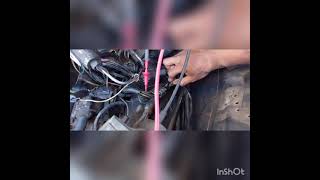
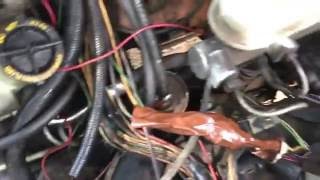
Helpful Videos
Technical Specifications
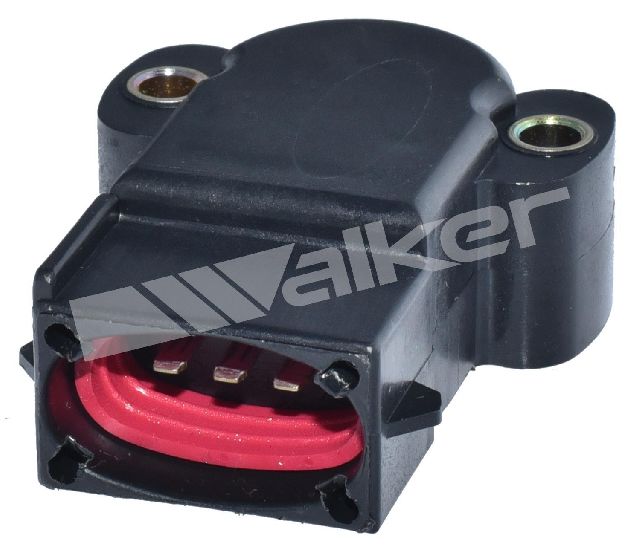
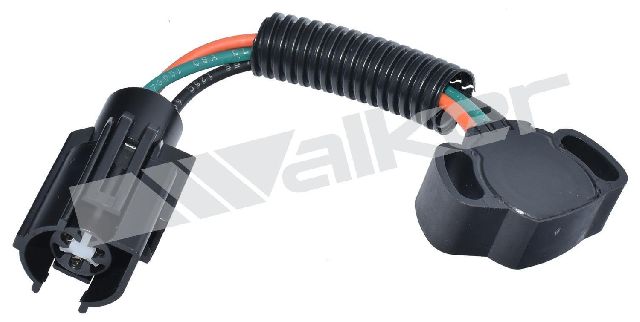
OEM Part Numbers: E9TF9B989AA E5TZ-9B989-B E7TZ-9B989-D
3-pin, blade-style connector, mounted on the throttle body. Operates as a potentiometer, providing a variable voltage signal to the EEC-IV computer.
We Have This Part in Stock


The information in this article is provided for general reference and educational purposes only. Vehicle specifications, procedures, and part compatibility can vary by production date, trim level, and region. Always consult your vehicle's factory service manual and verify part numbers before purchasing or performing repairs. Safety-critical components such as airbags, seat belts, and braking systems should be installed by a qualified professional.
- Ford Ranger: