

Ford Thunderbird Brake Master Cylinder Guide: 1983-1989
Everything a Fox Body Thunderbird owner needs to know before replacing their brake master cylinder.
- A spongy, soft, or sinking brake pedal is the #1 sign of a failing master cylinder.
- Driving with a bad master cylinder is extremely dangerous and can lead to total brake failure.
- For this car, a new aftermarket part from Dorman or Dynamic Friction is a reliable and cost-effective choice.
- The new master cylinder must be bench-bled before installation, and the entire brake system must be bled after.
Is Your Thunderbird's Master Cylinder Failing?
A bad master cylinder on a 1983-1989 Thunderbird will give you clear warning signs. Because this part is essential for stopping your car, you should not ignore these symptoms. The most common problem is a brake pedal that feels different than it used to.
Key Failure Symptoms:
- Spongy or Mushy Brake Pedal: This is the most classic sign. If your brake pedal feels soft or sinks toward the floor when you press it, air may be in the lines or the internal seals have failed.
- Brake Pedal Slowly Sinks: If you hold your foot on the brake pedal and it slowly sinks to the floor, the master cylinder is likely leaking internally.
- Low or Dirty Brake Fluid: Check the reservoir. If the fluid is low, you have a leak. If the fluid is dark or has debris in it, the seals inside the cylinder may be breaking down.
- Brake Warning Light: The brake warning light on your dashboard may illuminate if a pressure difference is detected between the two circuits of the master cylinder.
Choosing a New Aftermarket Master Cylinder
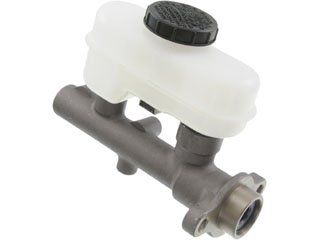
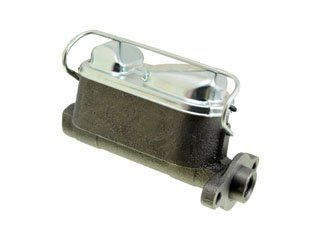
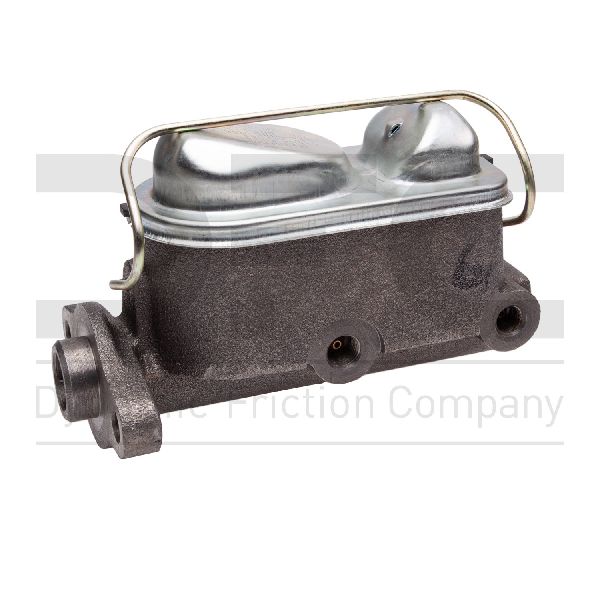
For a classic car like the '83-'89 Thunderbird, finding a brand new OEM Ford part is difficult and expensive. Aftermarket parts are the most common and practical solution. The two main brands you'll find are Dorman and Dynamic Friction. Both are designed to meet original factory specifications.
- Dorman: A widely available and affordable option. They are known for making direct-fit replacement parts. Reviews are generally positive, citing them as a reliable choice for restoring original brake feel. Dorman states their cylinders are 100% new, not remanufactured, which avoids issues from old, worn-out parts.
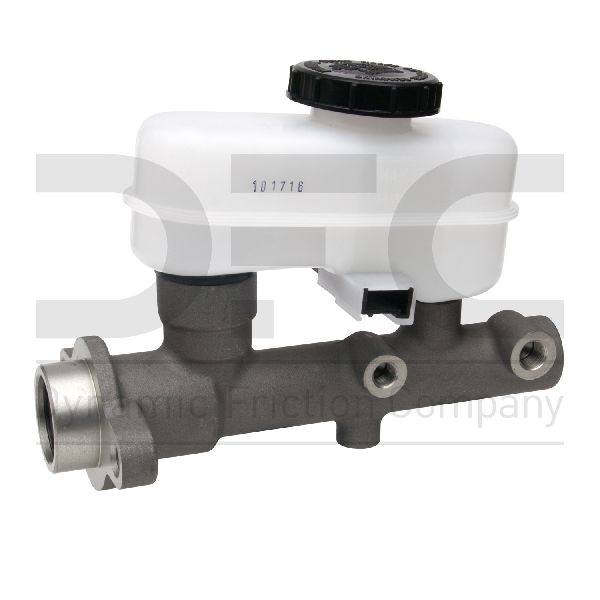
- Dynamic Friction (DFC): Another quality aftermarket brand. DFC emphasizes that their parts are 100% pressure tested to ensure reliability and meet OEM fit and function standards. They typically come with a 12-month/12,000-mile warranty.
OEM vs. Aftermarket Quality: For this specific vehicle, a new part from a reputable aftermarket brand like Dorman or Dynamic Friction is a solid choice. The technology is not complex, and these brands produce reliable replacements. A new aftermarket part is often a better choice than a remanufactured one, which could have hidden defects from its previous life.
Known Issues, Recalls, and TSBs
There are no major recalls or Technical Service Bulletins (TSBs) for master cylinder failure on the 1983-1989 Thunderbird. However, a recall was issued for some 1989 models where the front brake caliper could contact the stabilizer bar during a sharp turn. This could push fluid back into the master cylinder, causing a temporary soft pedal on the next brake application. This issue was not a fault of the master cylinder itself. The main issue to be aware of is a leak from the rear seal of the master cylinder, which can drip brake fluid into the power brake booster, causing the booster to fail.
Replacement Cost
The cost to replace a brake master cylinder on your Thunderbird will vary based on the parts you choose and whether you do the work yourself.
| Part / Service | Estimated Cost |
|---|---|
| New Aftermarket Master Cylinder | $72.95 - $86.47 |
| New OEM Master Cylinder (if found) | $150 - $300+ |
| Shop Labor | $150 - $300 |
| Total Professional Installation | $225 - $390 |
Frequently Asked Questions
Can I replace the master cylinder myself?
Yes, this is a DIY-friendly job for someone with moderate mechanical experience. 🎬 Watch this walkthrough for installing and bleeding on a Fox Body. You will need a good set of tools, including flare-nut wrenches to avoid stripping the brake line fittings. The most critical step is to "bench-bleed" the new master cylinder before installing it to remove all air from inside it. Failure to do this will make bleeding the brakes on the car extremely difficult.
What is "bench bleeding"?
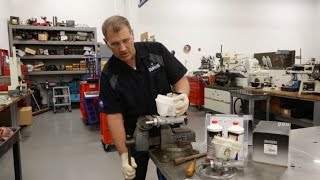
Bench bleeding is the process of removing air from a new master cylinder before you install it in the vehicle. Most new master cylinders come with a kit containing plastic fittings and hoses. You mount the cylinder in a vise, attach the hoses from the outlet ports back into the reservoir, fill it with fluid, and slowly push the piston in and out until no more air bubbles come out.
🎬 See a step-by-step demonstration of the bench bleeding process.Do I need to bleed the whole brake system after?
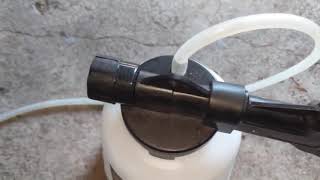
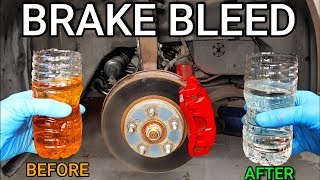
Yes. Any time you open the hydraulic brake system, you must bleed the brakes to remove any air that has entered the lines. Air in the lines compresses, which is what causes a spongy pedal. You will need to bleed all four wheels after installing 🎬 Learn how to bleed your brakes by yourself with this guide. the new master cylinder.
What kind of brake fluid should I use?
The 1983-1989 Ford Thunderbird uses standard DOT 3 brake fluid. Check the cap of your master cylinder reservoir to confirm. Do not use DOT 5 (silicone-based) fluid, as it is not compatible and can cause system damage.
Helpful Videos
Technical Specifications
OEM Part Numbers: E3SZ2140A
Material: Cast Iron or Aluminum Body Fluid Type: DOT 3 System: Dual Circuit Reservoir: Included with new units
We Have This Part in Stock

The information in this article is provided for general reference and educational purposes only. Vehicle specifications, procedures, and part compatibility can vary by production date, trim level, and region. Always consult your vehicle's factory service manual and verify part numbers before purchasing or performing repairs. Safety-critical components such as airbags, seat belts, and braking systems should be installed by a qualified professional.
- Ford Thunderbird: