

Disc Brake Caliper Guide for the 1983-1990 Buick Century
Everything you need to know before replacing a sticking or leaking front brake caliper on your Century.
- Common failures on the 1983-1990 Century are seized pistons and stuck slide pins due to age and corrosion.
- Always replace calipers in pairs and consider replacing the flexible brake hoses at the same time to prevent future issues.
- For this vehicle, a quality new or remanufactured aftermarket caliper from a brand like Centric, Raybestos, or Powerstop is a reliable and cost-effective choice.
- Symptoms like pulling, dragging, and uneven pad wear are serious safety concerns that point directly to a caliper problem.
Is Your Buick Century's Brake Caliper Failing?
For a car like the 1983-1990 Buick Century, brake calipers can fail from age, rust, and moisture in the brake fluid. The most common issues are seized pistons and stuck slide pins. A seized piston means the caliper can't properly squeeze or release the brake pads, while stuck slide pins cause the caliper to apply pressure unevenly. Both problems lead to poor braking, pulling to one side, and rapid brake pad wear.
Key Symptoms of a Bad Caliper
- Vehicle Pulling: The car pulls to the left or right when you brake.
- Spongy or Soft Brake Pedal: The pedal feels mushy or goes down further than usual.
- Brake Dragging: You feel resistance and the car doesn't coast freely because the brake isn't fully releasing.
- Uneven Brake Pad Wear: The inner and outer brake pads on one wheel wear down at very different rates.
- Excessive Heat/Burning Smell: A stuck caliper generates a lot of heat, which you can often smell after a drive.
Known Issues, Recalls, and Service Bulletins
For vehicles of this age, specific TSBs for calipers are rare. However, the GM A-body platform, which the Century is built on, has well-documented brake system characteristics. Searches for recalls on the 1983-1990 Buick Century did not find any related to the front disc brake calipers. There was a recall in 1986 for 1983-1984 models concerning a rear brake component, and another in 1983 for the 1982 model's rear brake hoses, but neither applies to the front calipers. The most common problems reported by owners are related to corrosion and age, such as seized pistons, stuck slide pins, and broken bleeder screws, which are typical for any vehicle from this era.
Choosing the Right Aftermarket Caliper
New OEM calipers for a 1983-1990 Century are generally not available. Your choice is between new aftermarket and remanufactured calipers. All listed brands offer remanufactured calipers, which use the original factory casting (the core) with new seals, pistons, and hardware. Some brands also offer fully new calipers.
Brand Quality Tiers
- Value Brands (Cardone, Dynamic Friction): These are often the most affordable. Cardone is a major remanufacturer, but forum feedback can be mixed; some users report long life while others have had issues. These are a budget-friendly choice for a daily driver.
- Standard OE-Quality Brands (Centric, Raybestos): Generally considered a solid middle ground, offering good quality and fit. Raybestos and Centric are well-regarded in forums for providing reliable performance that meets or exceeds original factory specs. Many professional mechanics use these brands for everyday repairs.
- Performance/Coated Brands (Powerstop): Powerstop specializes in performance-oriented and coated calipers. Their calipers are remanufactured and then given a powder coating (often red) to resist rust and look good behind open-spoke wheels. They come with new hardware and high-temperature rubber components, making them a durable upgrade, especially for those living in wet or snowy climates.
Aftermarket vs. OEM Quality
For a vehicle from the 1980s, new aftermarket calipers are an excellent choice. They feature brand-new castings, pistons, and seals, eliminating any risk of metal fatigue or corrosion from a 30+ year old core. Remanufactured calipers from a reputable brand like Centric, Raybestos, or Powerstop are also a great option, as they are rebuilt to factory specifications and thoroughly pressure tested. The key is choosing a quality brand, as the reliability of a remanufactured part depends heavily on the rebuilder's process.
| Part | Estimated Cost |
|---|---|
| New Aftermarket Caliper (Single) | $35 - $135 |
| Shop Labor (Per Pair) | $150 - $300 |
| Total Job (Parts & Labor, Per Pair) | $220 - $570 |
Frequently Asked Questions (FAQ)
Do I need to pay a "core charge"?
Most remanufactured calipers have a core charge. This is a deposit you pay when you buy the part. You get the deposit back when you return your old, worn-out caliper to the seller. New calipers typically do not have a core charge.
Do new calipers come with brackets and hardware?
It depends on the brand. Many calipers, especially from brands like Powerstop, come "loaded" or semi-loaded with the mounting bracket, new slide pins, and clips. Cheaper, "unloaded" calipers may require you to clean and reuse your old bracket and hardware. Always check the product description to see what's included.
What is the difference between a phenolic and a steel piston?
Phenolic (a type of composite resin) pistons do not rust and are poor conductors of heat, which helps keep brake fluid cooler. Steel pistons are stronger but can rust if moisture gets past the seals. For a daily-driven Century, either type is acceptable, and most aftermarket replacements will match the material used by the original manufacturer.
Can I just clean and re-grease my sticky caliper?
If the problem is only sticky slide pins, you can sometimes clean and lubricate them with high-temperature brake grease to restore function. However, if the piston itself is seized due to internal corrosion, the caliper must be rebuilt or replaced. Given the low cost of a replacement caliper and the critical safety function, replacement is almost always the better and safer option.
Technical Specifications
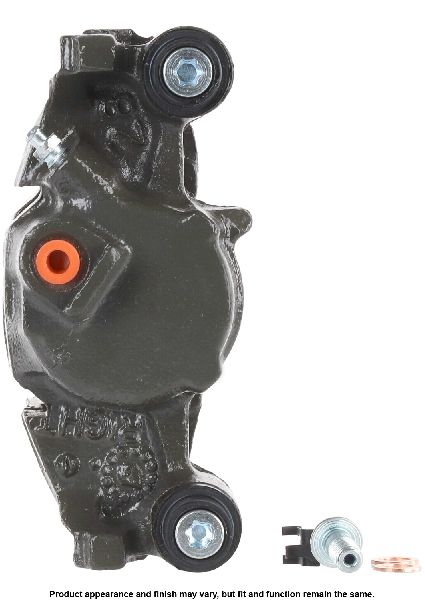
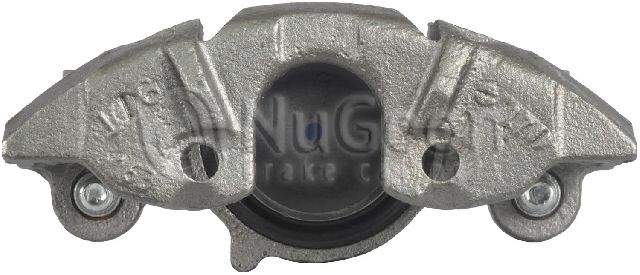
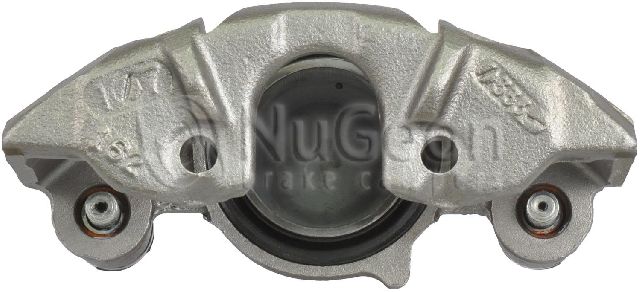
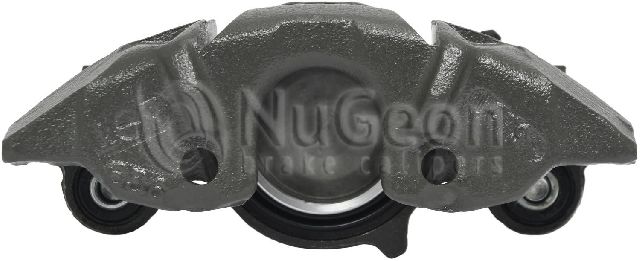
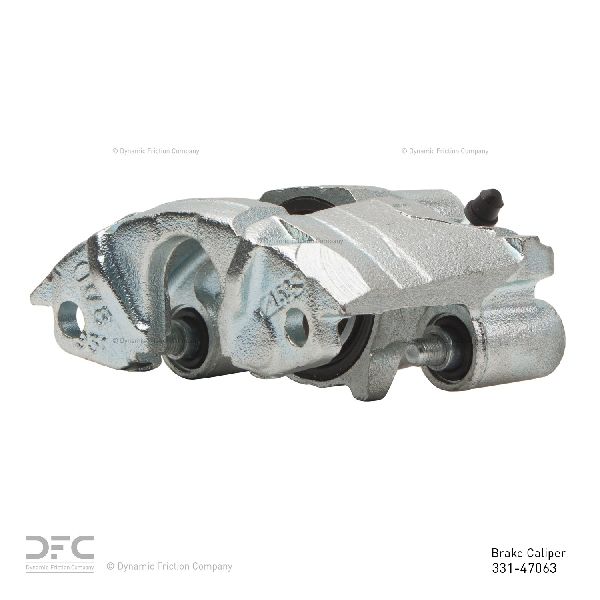
The 1983-1990 Buick Century uses a single-piston, floating caliper design for its front disc brakes. Replacement calipers should be verified by specific sub-model and year, but the general design is consistent across the generation.
We Have This Part in Stock


The information in this article is provided for general reference and educational purposes only. Vehicle specifications, procedures, and part compatibility can vary by production date, trim level, and region. Always consult your vehicle's factory service manual and verify part numbers before purchasing or performing repairs. Safety-critical components such as airbags, seat belts, and braking systems should be installed by a qualified professional.
- Buick Century: