

Chevrolet Caprice Ignition Knock Sensor: A Guide for 1983-1990 Models
Keep your classic Caprice's engine safe from harmful detonation with the right knock sensor.
- A bad knock sensor can cause a Check Engine Light, audible engine pinging, and poor performance.
- The sensor is located on the engine block and is often seized, which can complicate removal.
- Choose a quality aftermarket brand like NGK or Standard Ignition for best results.
- Driving with a bad knock sensor is not recommended as it can lead to long-term engine damage.
Signs of a Failing Knock Sensor in Your Caprice
A bad knock sensor can cause problems that you might notice while driving. The most common sign is the Check Engine Light turning on. You might also hear a metallic pinging or rattling sound from the engine, especially when you're accelerating or driving uphill. Other symptoms include the engine feeling sluggish or hesitating, and you may notice you're getting worse gas mileage than usual.
A Word of Caution on Replacement
On these 1980s GM vehicles, the knock sensor is threaded directly into the engine block, often into a coolant passage. After decades of heat cycles and corrosion, these sensors can be extremely difficult to remove. It is very common for them to break off during removal, leaving the threaded portion stuck in the block. What seems like a simple, one-bolt job can quickly turn into a much more difficult extraction project requiring special tools or even welding a nut to the broken piece to get it out. Be prepared for this possibility if you are doing the job yourself.
Choosing the Right Aftermarket Knock Sensor
For a classic vehicle like the 1983-1990 Caprice, finding original GM parts can be difficult. Luckily, the aftermarket offers several good options. For a simple but critical sensor like this, quality matters.
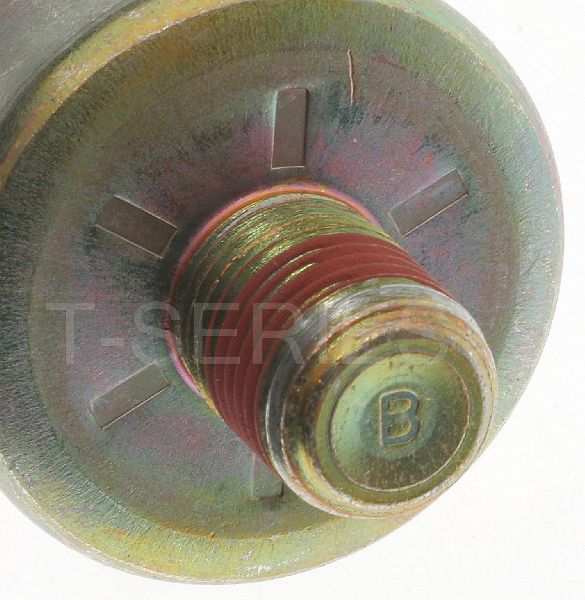
- Premium Brands (NGK, Standard Ignition): NGK (also known as NTK for sensors) and Standard Ignition (SMP) are well-respected names in the aftermarket. They have a reputation for producing parts that meet or exceed original equipment (OE) specifications. Choosing one of these brands is a solid bet for reliability and proper function.
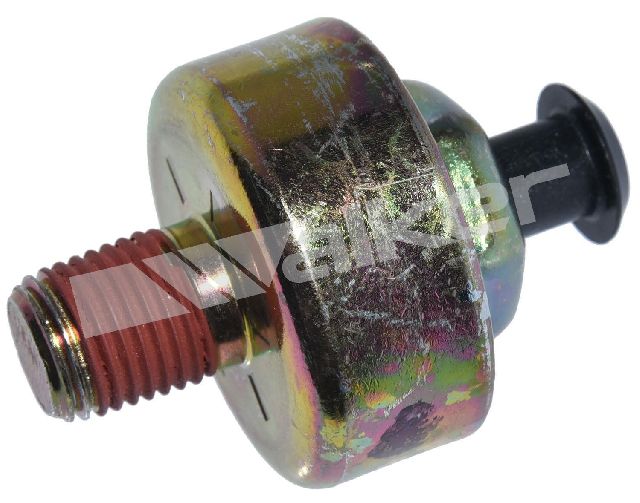
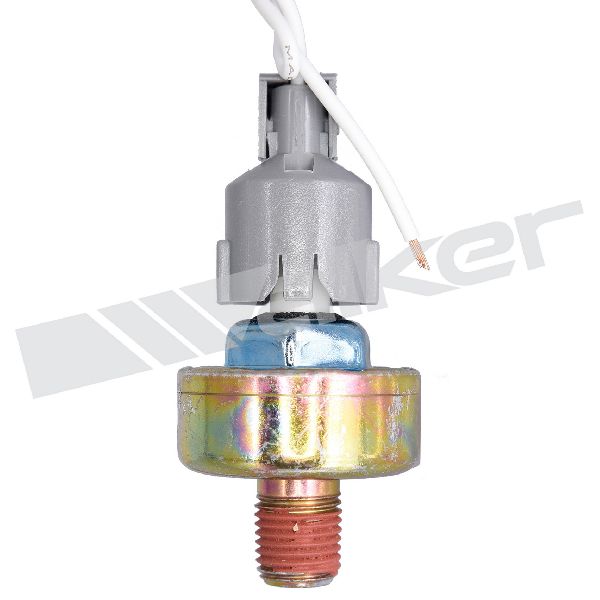
- Standard Tier (Walker Products): Walker is another established brand that produces a wide range of engine sensors. They offer a good balance of quality and value, making them a suitable choice for most repairs.
- Budget-Friendly (Global Parts, True Tech): These brands provide a more affordable option. While they can be a good choice for a budget-conscious repair, some professional mechanics prefer to stick with brands that have a longer track record for electronic components.
Pro Tip: Regardless of the brand, proper installation is key. The sensor must be torqued to the correct specification (usually around 15 ft-lbs for this type of sensor). Overtightening or undertightening can affect the sensor's ability to properly detect knock.
Cost to Replace a Knock Sensor on a 1983-1990 Caprice
| Part Type | Estimated Cost |
|---|---|
| New Aftermarket Part | $39.80 - $58.42 |
| Shop Labor | $75 - $150 |
| Total Estimated Cost | $115 - $210 |
Note: Costs are estimates and can vary based on your location, the specific part chosen, and the complexity of the removal. If the old sensor breaks during removal, labor costs will be higher.
Frequently Asked Questions
Where is the knock sensor located on my 1983-1990 Caprice?
The knock sensor is typically located on the engine block, screwed directly into it. On the small-block V8 engines common in these cars, it's usually found on the side of the block, often near the starter or just above the oil pan rail. It will have a single wire electrical connector.
What happens if I don't replace a bad knock sensor?
Ignoring a bad knock sensor leaves your engine unprotected from detonation. Continuous engine knock can lead to serious and expensive internal damage over time, including damage to pistons, rings, and valves. You will also continue to experience poor performance and reduced fuel economy.
Is a special tool needed for replacement?
Typically, you only need a deep socket (often 22mm) and a ratchet. However, because the sensor is often seized, you may need penetrating oil, and in a worst-case scenario where it breaks, you might need screw extractors or welding equipment. Also, since it may thread into a coolant passage, be prepared for some coolant to drain out when you remove it.
Are there any recalls for the knock sensor on this Caprice?
No, there are no specific recalls or common Technical Service Bulletins (TSBs) related to the knock sensor for the 1983-1990 Chevrolet Caprice. Any issues are typically due to the age and normal wear of the part.
Technical Specifications
OEM Part Numbers: 10456031 10456287
Single terminal, screw-in type sensor.
We Have This Part in Stock


The information in this article is provided for general reference and educational purposes only. Vehicle specifications, procedures, and part compatibility can vary by production date, trim level, and region. Always consult your vehicle's factory service manual and verify part numbers before purchasing or performing repairs. Safety-critical components such as airbags, seat belts, and braking systems should be installed by a qualified professional.
- Chevrolet Caprice: