

Chevrolet G30 1983-1990 Ignition Knock (Detonation) Sensor Guide
Keep your Chevy G30's engine safe from damaging detonation with the right knock sensor.
- A bad knock sensor on a G30 will likely trigger a 'Code 43' Check Engine Light.
- Symptoms include audible engine pinging, loss of power, and poor gas mileage.
- The sensor is located on the passenger side of the engine block and threads into a coolant passage.
- Do not over-tighten the new sensor; torque it to 14-15 ft-lbs to avoid damaging it.
Is your G30's Knock Sensor Failing?
A bad knock sensor can cause problems that you might feel or hear while driving. Because the sensor's job is to tell the computer to adjust timing when it hears a ping, a broken sensor can't do its job. This can lead to the computer not knowing it needs to protect the engine. On the other hand, a faulty sensor can sometimes send false signals, causing the computer to adjust timing when it doesn't need to, which hurts performance and fuel economy.
Symptoms of a Bad Knock Sensor
- Check Engine Light: For these OBD-I vehicles, a faulty knock sensor circuit will often trigger a 'Code 43'.
- Engine Pinging: An audible metallic knocking or pinging sound, especially when accelerating or under load. This is the sound of detonation that the sensor is supposed to detect.
- Poor Performance: The engine may feel sluggish or hesitate because the computer might default to a 'safe', very conservative timing setting to prevent damage.
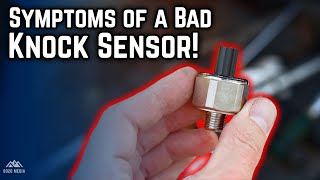
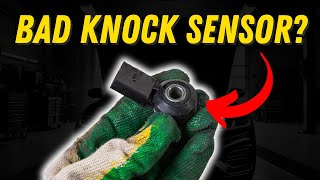
- Bad Fuel Economy: When ignition timing isn't optimized, the engine doesn't burn fuel as efficiently, leading to more trips to the gas pump. 🎬 Watch a breakdown of bad knock sensor symptoms and costs.
Choosing the Right Aftermarket Knock Sensor
For a workhorse van like the G30, engine protection is key. While OEM parts are an option, quality aftermarket brands provide a reliable and more affordable solution. Aftermarket sensors are designed to meet or exceed original specifications.
Here’s a breakdown of the available brands:
- Premium Brands (NGK/NTK, Standard Ignition): NGK (under its NTK sensor brand) and Standard Ignition (SMP) are well-regarded in the industry. They have a reputation for producing high-quality sensors that are durable and perform like the original part. Many professional mechanics trust these brands.
- Reliable Mid-Tier (Walker Products): Walker is an established brand that produces quality parts that meet OE specifications. They offer a good balance of quality and price, making them a solid choice for most repairs.
- Economy Brands (Global Parts, True Tech): These brands focus on providing a low-cost alternative. While they can get the job done, they may not have the same long-term durability or stringent quality control as the premium brands. They are a viable option for budget-conscious repairs.
Cost Overview: 1983-1990 Chevrolet G30 Knock Sensor
| Part Type | Estimated Cost |
|---|---|
| New Aftermarket | $39.80 - $58.42 |
| Shop Labor | $75 - $150 |
Known Issues for GM Trucks of This Era
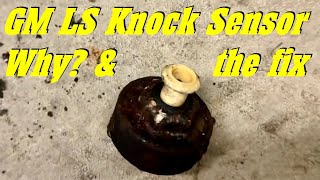
While no specific recalls or TSBs exist for the 1983-1990 G30 knock sensor, GM trucks from this and later eras have known issues with water intrusion. On V-shaped engines, water can pool in the engine valley where the sensor is located, causing corrosion and failure. Although the G30 sensor is typically located on the side of the block, it's still exposed to the elements. When replacing the sensor, ensure the connector and wiring are clean, dry, and make a solid connection.
🎬 Learn more about GM knock sensor issues and water intrusion.Frequently Asked Questions (FAQ)
Where is the knock sensor located on the 1983-1990 G30?
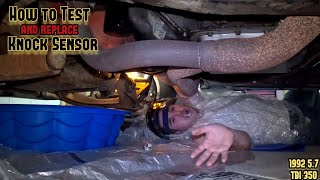
The knock sensor is typically screwed into the passenger side of the engine block, often near the starter or the engine mount. It is threaded into a coolant passage, so be prepared for some coolant to spill when you remove it.
What is a 'Code 43' on my Chevy G30?
Code 43 is the OBD-I trouble code that points to a problem in the Electronic Spark Control (ESC) circuit. This is most commonly caused by a bad knock sensor, a wiring problem to the sensor, or a faulty ESC module. The computer runs a self-test, and if it doesn't get the signal it expects from the knock sensor, it logs this code.
Do I need a special tool to replace the knock sensor?
You will need a deep socket (often 7/8") to remove and install the sensor. It is critical to tighten the new sensor to the correct torque specification, which is typically around 14-15 ft-lbs. Over-tightening the sensor can damage its internal crystal and make it not work correctly or fail prematurely.
Is it okay to use a cheaper knock sensor?
While economy sensors will fit and function, the knock sensor is a critical part for protecting your engine. Brands like NGK and Standard Ignition have a better reputation for reliability and accuracy. Given the small price difference, opting for a premium or reliable mid-tier brand is a good investment in your engine's health.
Helpful Videos
Technical Specifications
OEM Part Numbers: 10456288 10456031 10456549
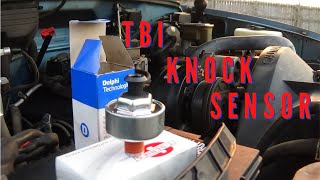
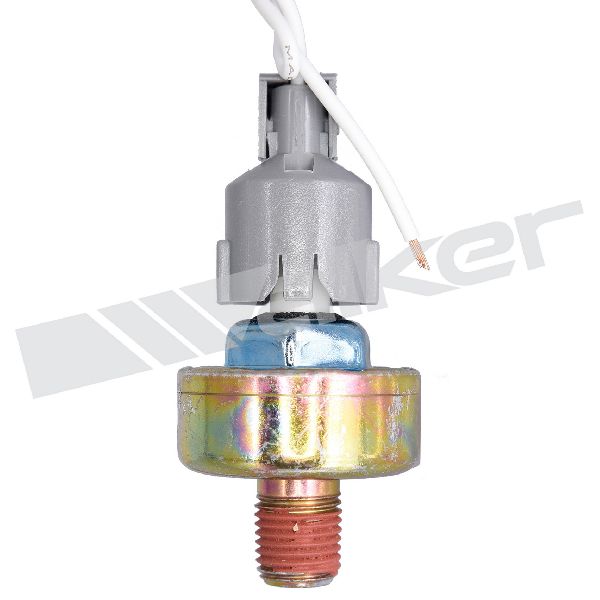
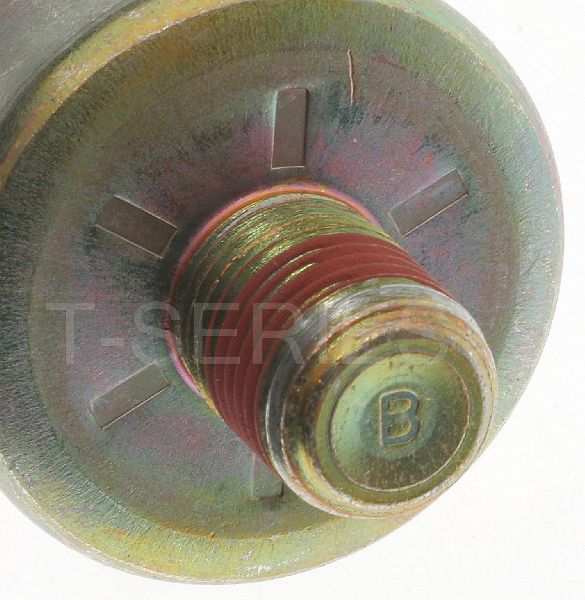
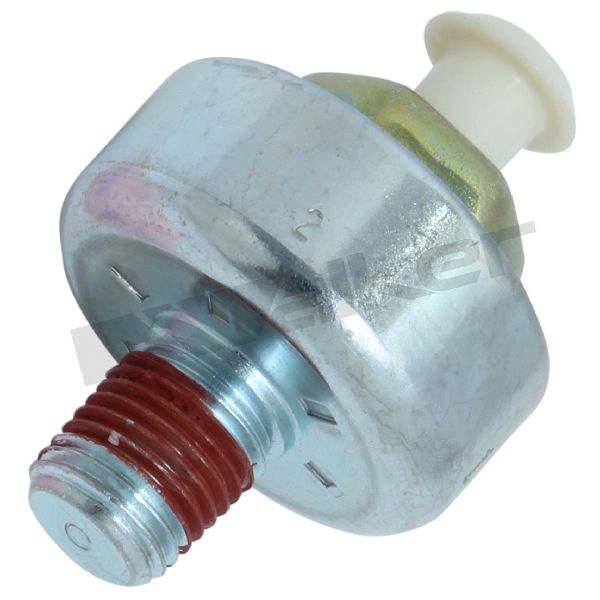
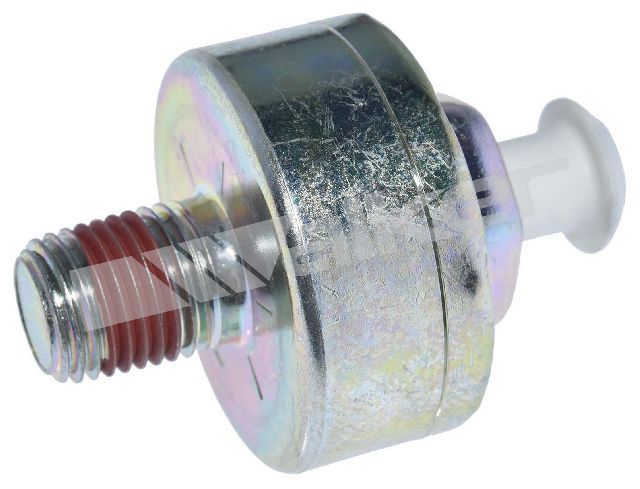
The sensor for TBI engines with automatic transmissions is typically a 100,000-ohm unit. It uses a single-wire connector and screws into the block with a 1/4-18 NPTF thread.
We Have This Part in Stock


The information in this article is provided for general reference and educational purposes only. Vehicle specifications, procedures, and part compatibility can vary by production date, trim level, and region. Always consult your vehicle's factory service manual and verify part numbers before purchasing or performing repairs. Safety-critical components such as airbags, seat belts, and braking systems should be installed by a qualified professional.
- Chevrolet G30: